Politics: South Africa
South Africa’s governing African National Congress has given its negotiators a mandate after a heavy election loss. It says it will provide a further update on Tuesday 17 November.
South Africa’s governing party, the African National Congress (ANC), has said it will give no further word on its coalition plans until Tuesday 17 November. Its national leaders met on Thursday 12 November in Boksburg, near Johannesburg, to decide how to bargain after losing ground in the 4 November local elections.
The talks matter because 127 of the country’s 213 municipal councils are hung, meaning no party holds a majority of seats. Business Day, a Johannesburg newspaper, reported on 13 November that the talks were expected to run late into Thursday night.
Key Facts
•Who. The African National Congress (ANC), South Africa’s governing party, won 30.76% in the 4 November local elections, down from 45.59% in 2021.
•What. Its leaders told negotiators to talk to “all political parties, large and small, including civic movements and independents”.
•Where. 127 of 213 municipal councils are hung, so no party can govern alone.
•Next. The ANC says it will provide a further update on Tuesday 17 November.
•Prediction markets. Polymarket, a prediction market, prices Herman Mashaba, a former Johannesburg mayor, at 45% to be Johannesburg’s next mayor (14 November 2026, 2:14 p.m. ET).
•As of. 14 November 2026, 19:00 GMT.
What the ANC Decided This Week
The ANC’s extended special National Executive Committee (NEC), its top decision body between party conferences, met at the Birchwood Hotel in Boksburg on Thursday 12 November, according to Business Day. The meeting was to adopt a guide for the ANC’s negotiating team and hear reports on early talks with other parties, reported the Daily Sun, a South African tabloid.
In a statement dated 13 November, quoted by the news site African Insider, the ANC said negotiators must engage “all political parties, large and small, including civic movements and independents” in councils without a majority. An ANC spokesperson said there “will not be a blanket approach until the NEC decides otherwise”.
What Is Not Known
SABC News, South Africa’s public broadcaster, reported on 13 November that an overwhelming majority in the NEC had decided to move away from the Democratic Alliance (DA), the ANC’s partner in the national unity government, making it the “last resort” for coalitions. The DA won 24.64% nationally, and IOL, a South African news site, said the NEC had “reportedly” resolved this.
Business Day reported that the DA reportedly argued for the mayoralty in each big city to go to the party with the most votes, which would give the DA Johannesburg, Tshwane (the Pretoria area), Ekurhuleni (east of Johannesburg) and Nelson Mandela Bay (the Gqeberha area). It said its sources expected the ANC to reject that formula.
Why Hung Councils Matter
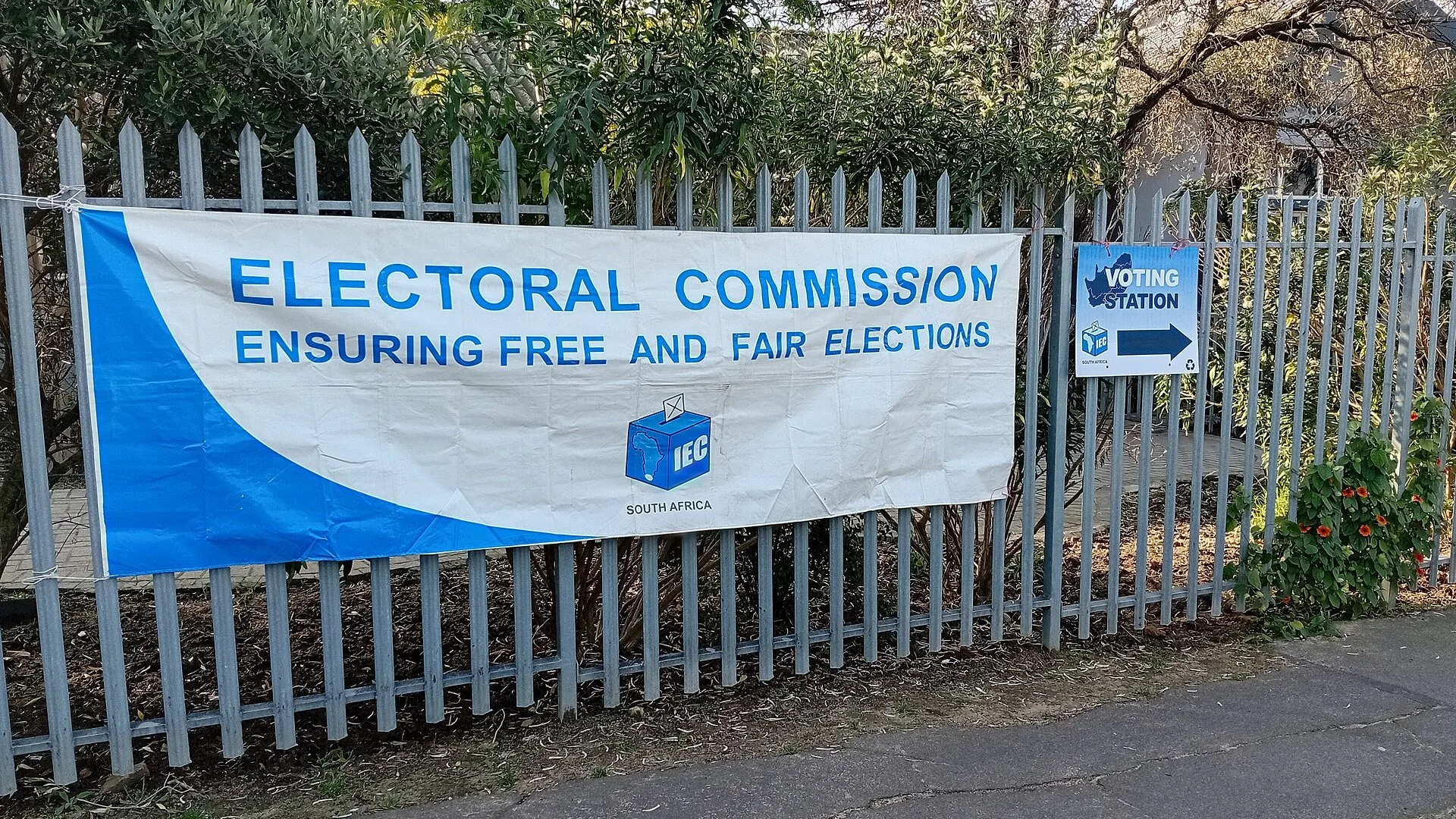
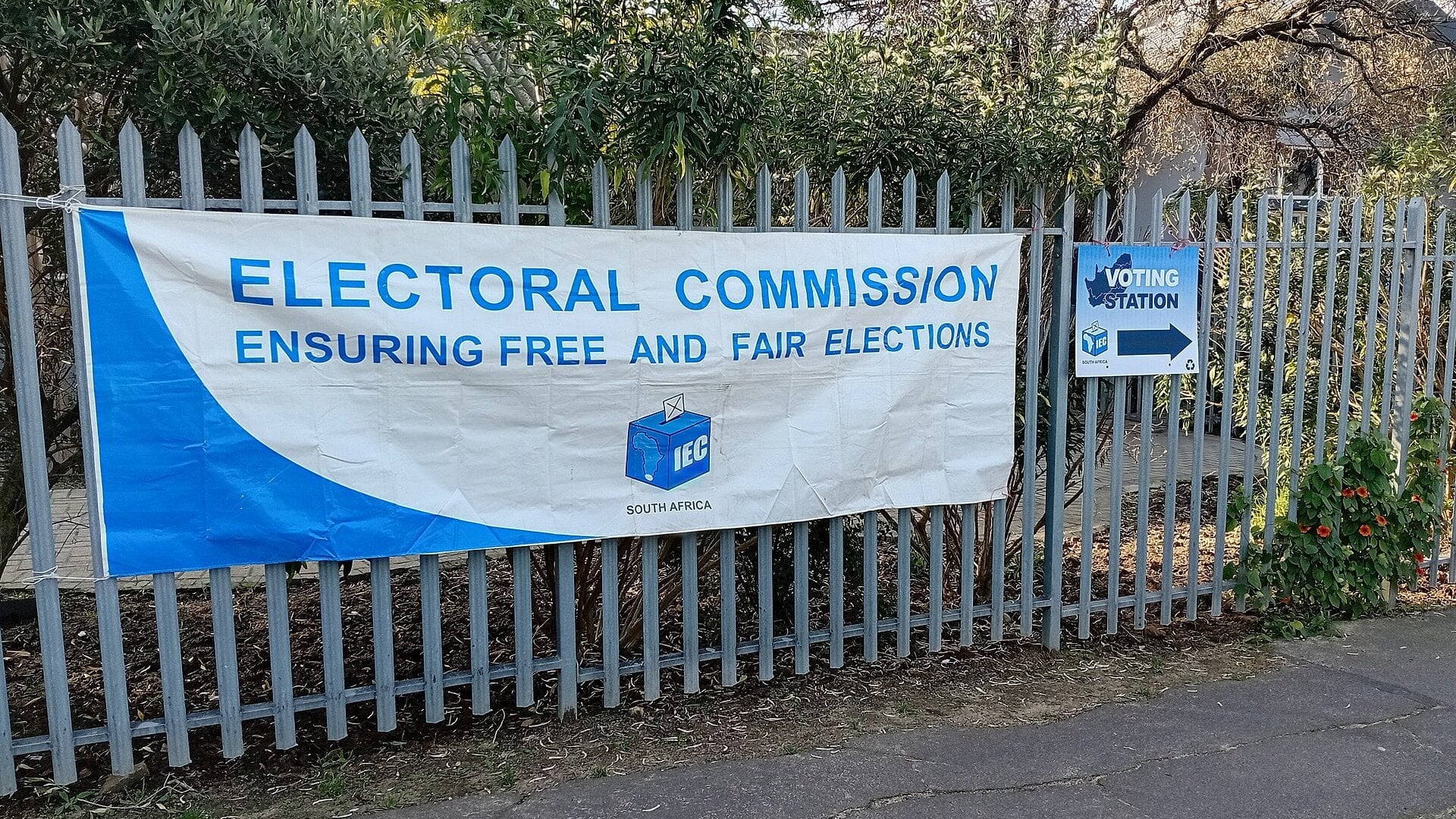
A party needs 50% plus one of the council seats to govern alone. In 127 of 213 councils nobody has it, the government news agency SAnews reported on 8 November from the Electoral Commission of South Africa’s final results.
Cooperative Governance Minister Velenkosini Hlabisa said on 10 November: “If you did not get 50% plus one, you are not a majority. You are only bigger.”
He was speaking before the councils’ first sittings. The ANC took 3,246 council seats, the DA 1,695 and the MK party 785, according to SAnews.
The MK party was founded in 2023 by former president Jacob Zuma. Councils must elect their mayor and other office-bearers at their first sittings, and Hlabisa said the 14-day period for those sittings would start on Wednesday 11 November.
Business Day puts the last day at 26 November.
The Other View Inside the ANC
Michael Mabuyakhulu, the ANC’s KwaZulu-Natal provincial convenor, argued for a working relationship with the DA, SABC News reported on 13 November. Other leaders called for a case-by-case approach in each council.
Business Day reported on 13 November that a grand coalition with the DA met “stiff resistance” from many members. It also said some members dismissed a pact with several smaller parties as “transactional politics”.
What to Watch and What It Means for You
The first checkpoint is the ANC update on Tuesday 17 November, and the second is the end of the 14-day window for first council sittings, which Business Day puts at 26 November. The ANC has said it will hold no media engagements on the matter before Tuesday.
For readers abroad, the outcome decides who runs South Africa’s largest city councils, which set local budgets and services. We make no forecast on markets or on any party.
What Prediction Markets Say
Polymarket, a prediction market where users trade on real-money bets, prices Herman Mashaba, a former Johannesburg mayor, at 45%, and Helen Zille, the DA’s candidate, and David Makhura, a former Gauteng provincial premier, at 13% each, to be the next mayor of Johannesburg (as of 2:14 p.m. ET on 14 November 2026). The market, titled “Next Mayor of Johannesburg?”, has seen about US$176,692 traded in total, and its displayed percentages are bets, not polls, and can differ from buy prices.
Why we show this: prediction markets turn real-money bets into a live probability that moves within minutes of the news, which is why investors, campaigns and newsrooms in the United States now follow them closely. We show them next to polls and official results, never instead of them.
More on South Africa’s Vote
Our earlier reports cover the final metro election results and the 52% turnout. See also Cape Town’s one-party majority and our South Africa news page.
Frequently Asked Questions
When will the ANC announce its coalition plans?
The ANC says it will give a further update on Tuesday 17 November 2026. It said it would hold no media engagements on the matter before then.
Which parties could the ANC work with?
The ANC told negotiators to talk to all parties, large and small, plus civic movements and independents. Reports differ on whether the DA is its “last resort”, and the ANC has not confirmed that wording to us.
What is a hung council?
It is a council where no party holds more than half of the seats. SAnews reported on 8 November that 127 of 213 municipal councils are hung.
How long do councils have to elect mayors?
Councils must hold first sittings within 14 days, a period Minister Hlabisa said would start on 11 November 2026. Business Day puts the last day at 26 November.
Sources
SAnews, 8 November 2026 · SAnews, 10 November 2026 · Business Day, 13 November 2026 · SABC News, 13 November 2026 · African Insider, 13 November 2026 · IOL, 13 November 2026 · Daily Sun, 12 November 2026 · Polymarket
This article was produced by The Rio Times’ automated AI newsroom. Editorial responsibility: Matthias Camenzind, Publisher and Editor-in-Chief. The Rio Times also runs Ask Rio Times, which answers from 100,000+ of our own articles, the daily Latin America Power Map, and prediction-market odds on elections and markets.. How we use AI · Report an error