
SOUTH AFRICA · POLITICS
South Africa’s town halls face a hard deadline, and the Constitution says what a province can do if a council fails. The Electoral Commission of South Africa (IEC), the independent body that runs elections, declared the municipal vote of Wednesday 4 November 2026 free and fair on Sunday 8 November.
The African National Congress (ANC), the party of President Cyril Ramaphosa, won 30.76% nationally, and 127 of 213 councils are hung, meaning no party holds more than half the seats. The ANC’s coalition choices after the local election will decide who runs many of them.
Key Facts
- Who The ANC won 30.76%; the Democratic Alliance (DA), the main opposition party, won 24.64%.
- What 127 of 213 councils are hung, meaning no party holds more than half the seats.
- Why Councils must be constituted within 14 days; counted from the 8 November declaration, that is about 22 November.
- Prediction markets Polymarket, an outcome-trading platform, puts Helen Zille, a veteran DA politician, at about 70% for Johannesburg mayor (10 November, 4:30 p.m. ET).
- As of 10 November 2026, 22:00 GMT
In Plain English
Hung council: a local council where no party holds more than half the seats.
Constituted: formally set up, with a mayor, a speaker and committees chosen.
Government of National Unity (GNU): the national government in which the ANC, the DA and other parties have governed together since the 2024 election.
eThekwini: the metropolitan municipality around Durban.
Section 139: the part of the Constitution on provincial intervention in local government.
What the Vote Left Behind
Municipal elections choose local councils, and about 52% of voters turned out, up from 45.9% in 2021. The ANC took 30.76% of the vote and the DA 24.64%, according to the IEC results.
Of the 213 councils, 127 are hung. In those councils no single party can pass decisions without partners.
At national level the ANC, the DA and other parties have governed together since 2024 in the Government of National Unity (GNU). Local outcomes can test that partnership, but each council still strikes its own deal.
The 14-Day Clock
Deputy Minister Dickson Masemola of the national Department of Cooperative Governance and Traditional Affairs, which oversees local government, said in a government briefing that the law requires councils to be constituted within 14 days. Counted from the 8 November declaration, that is about 22 November, by our own calculation.
Masemola said communities should expect formal meetings to elect mayors and speakers. He said negotiations might affect whether that timetable holds.
Councils elect mayors, speakers and executive committees at and after their first sittings. Coalition agreements then shape how a council governs.
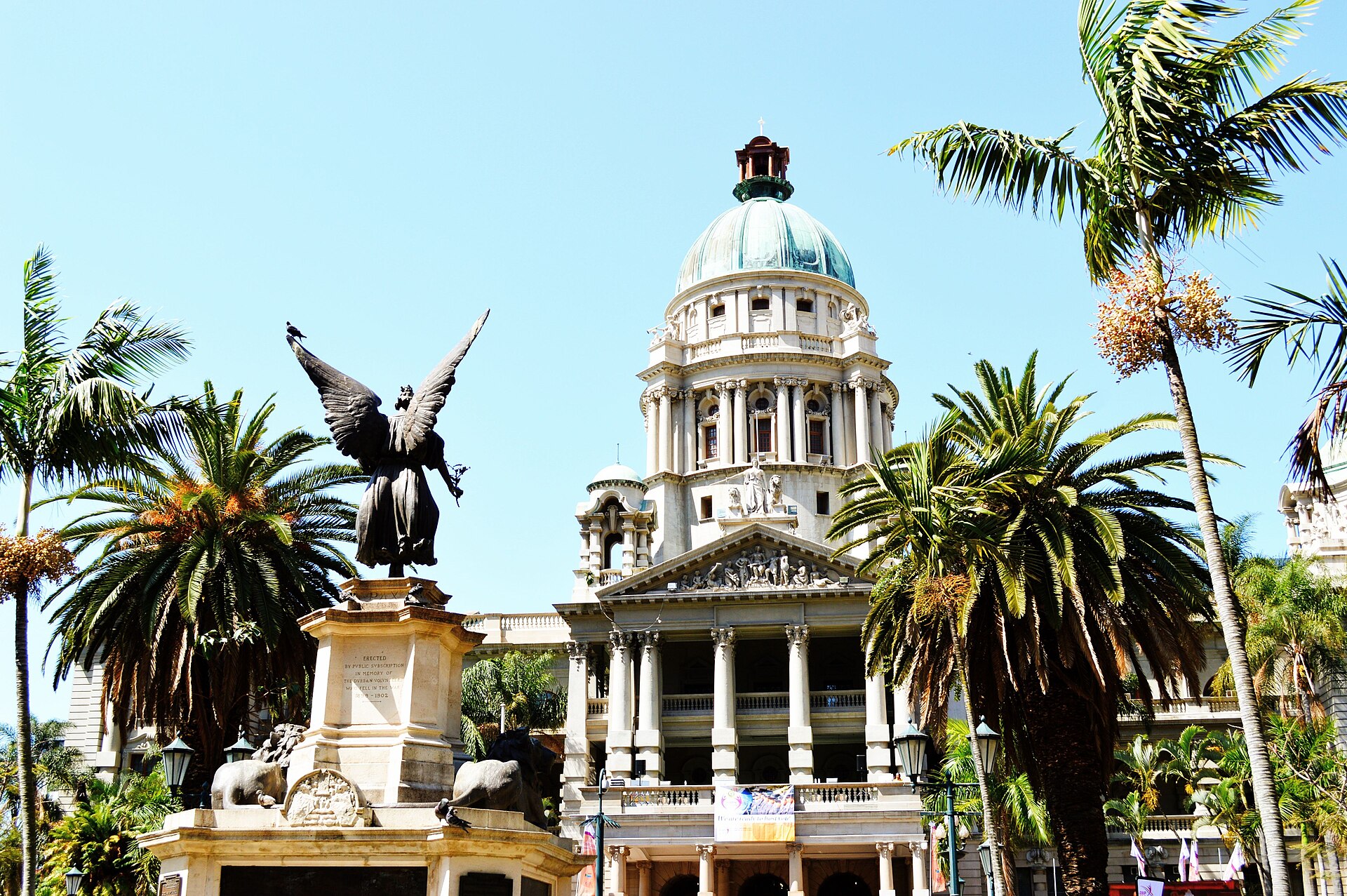
What the Constitution Allows
The Constitution of South Africa allows the provincial government to intervene in a municipality that fails to meet its duties, including by dissolving the council if exceptional circumstances warrant it and appointing an administrator. That power sits in section 139, the provision on provincial intervention in local government.
This article does not say whether any province will use it. Our guide to how South Africa’s power is structured shows where provinces fit.
What Prediction Markets Say
Polymarket, a platform where users trade on outcomes, priced Helen Zille, a veteran DA politician, at about 70% to be Johannesburg’s next mayor on Tuesday 10 November 2026 (4:30 p.m. ET). Herman Mashaba, leader of the ActionSA party, stood at about 4%.
US$156,020 has been traded on the market. These prices are bets, not polls, and they do not show what councillors have agreed.
Why we show this: prediction markets turn real-money bets into a live probability that moves within minutes of the news, which is why investors, campaigns and newsrooms in the United States now follow them closely. We show them next to polls and official results, never instead of them.
What Is Not Known
It is not known which parties will agree deals in Johannesburg, eThekwini and other hung councils. Nor is it known whether every council will meet the 14-day limit.
It is also not known what happens in practice if a council misses the deadline. Until the councils sit and vote, the picture stays open.
What It Means for You
If you follow South Africa as an investor or visitor, the weeks to about 22 November show how stable local deals are. Each hung council needs its own agreement, so outcomes may differ from city to city.
Watch the first sittings, where mayors and speakers are elected. Those votes will show who is working with whom.
Frequently Asked Questions
What is a hung council?
It is a local council where no party holds more than half the seats. Such a council needs partners to pass decisions.
How long do councils have to form?
Deputy Minister Dickson Masemola said the law requires councils to be constituted within 14 days. Counted from the 8 November declaration, by our own calculation, that is about 22 November.
What can a province do if a council fails?
The Constitution allows the provincial government to intervene in a municipality that fails to meet its duties, including by dissolving the council if exceptional circumstances warrant it. That power sits in section 139.
Who leads the Johannesburg mayor market?
Polymarket, a platform where users trade on outcomes, priced Helen Zille at about 70% on 10 November (4:30 p.m. ET). These prices are bets, not polls.
Sources: Electoral Commission of South Africa results declaration, 8 November 2026 (https://www.sanews.gov.za/south-africa/iec-declares-lge-2026-free-and-fair); Deputy Minister Dickson Masemola, government briefing on constituting municipal councils (https://www.sanews.gov.za/south-africa/focus-shifts-constituting-municipal-councils); Constitution of South Africa, section 139; Polymarket (https://polymarket.com/event/next-mayor-of-johannesburg-20260609220245506), read 10 November 2026.
Connected Coverage: Read our South Africa coalition politics explainer and ActionSA’s manifesto for broken municipalities. See also the ANC’s coalition choices and how South Africa’s power is structured.
This article was produced by The Rio Times’ automated AI newsroom. Editorial responsibility: Matthias Camenzind, Publisher and Editor-in-Chief. The Rio Times also runs Ask Rio Times, which answers from 100,000+ of our own articles, the daily Latin America Power Map, and prediction-market odds on elections and markets.. How we use AI · Report an error