SOMALIA · POLITICS
Key Facts
- The ruling On Thursday 5 November 2026 the Supreme Court said the president’s term ended on 15 May 2026.
- Parliament The court said both houses of parliament expired on 14 April 2026.
- The orders Rival camps must agree an election framework within 30 days, and elections must follow within 90 days.
- The standoff The presidency says March amendments gave it one more year; it fired the chief justice a day earlier.
- Still unknown It is not yet clear whether the presidency will accept the ruling.
Somalia’s Supreme Court ruled on Thursday 5 November 2026 that the president’s term expired on 15 May 2026. It ordered the country’s rival camps to agree on an election framework within 30 days and to hold elections within 90 days.
For US readers, the ruling matters because Somalia is a partner of Washington against the al-Shabaab militant group. A fight over who governs can pull attention and money away from that battle.
What the Supreme Court Decided
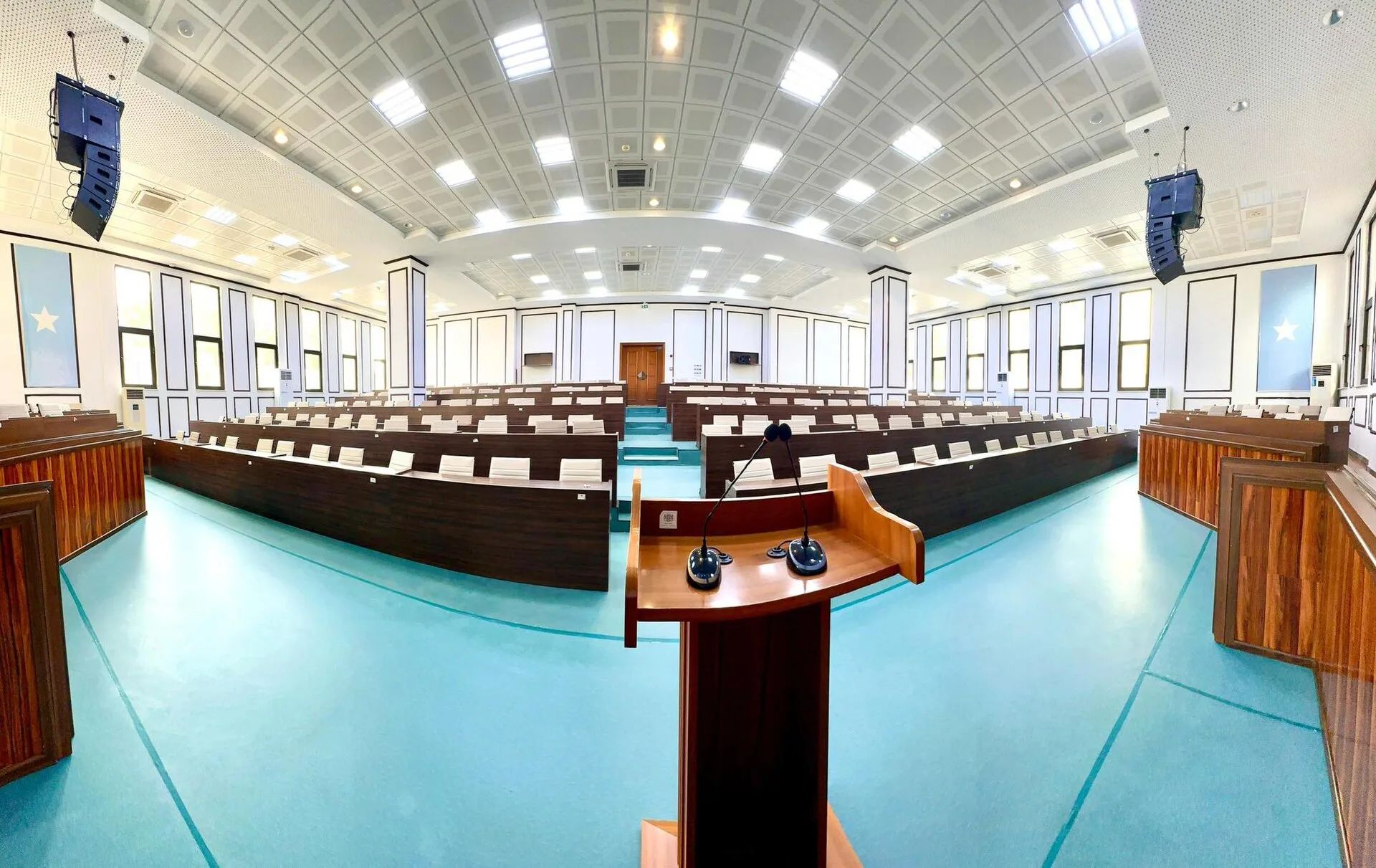
The ruling came from the five-judge Constitutional Division of the Supreme Court in Mogadishu, the capital. It followed a petition by Sharif Sheikh Ahmed, a former president and opposition figure.
The court declared the 2026 amendments null and void, including the extension of presidential and parliamentary terms from four to five years. It called the extension unlawful.
It said parliament ratified the amendments after its own mandate had expired, so the original four-year terms still applied. It put the end of parliament’s mandate at 14 April 2026 and the end of the president’s term at 15 May 2026.
Caretaker Powers and the Clock
The court said the federal government may only run a caretaker administration, limited to routine business. It told all sides in the election process to agree on a workable election framework within 30 days.
Elections must then be held within 90 days. Until now the government had planned votes in April and May 2027.
Two Readings of the Constitution
The government’s position is that parliament approved amendments in March 2026 that gave the president an extra year in office. It says this period lets the country prepare its first nationwide one-person, one-vote elections.
Opposition parties and several regional leaders boycotted the March vote and call the changes unconstitutional. Our report on the Sharif court petition covers how the case began on 11 October.
The Chief Justice Fight
On Wednesday 4 November the president dismissed Chief Justice Baashe Yusuf Ahmed and named Ibrahim Idle Suleiman to replace him. The presidency said the move answered complaints from judges, court staff and lawyers, as we reported when the president fired the chief justice.
On Thursday the court issued a separate statement rejecting the dismissal as lacking a legal basis and bypassing the Judicial Service Commission and parliament. It also accused the presidency of trying to obstruct the constitutional case.
In Plain English, Who Is Who
President Hassan Sheikh Mohamud leads Somalia’s federal government and says his mandate runs to May 2027. Sharif Sheikh Ahmed is a former president who brought the case.
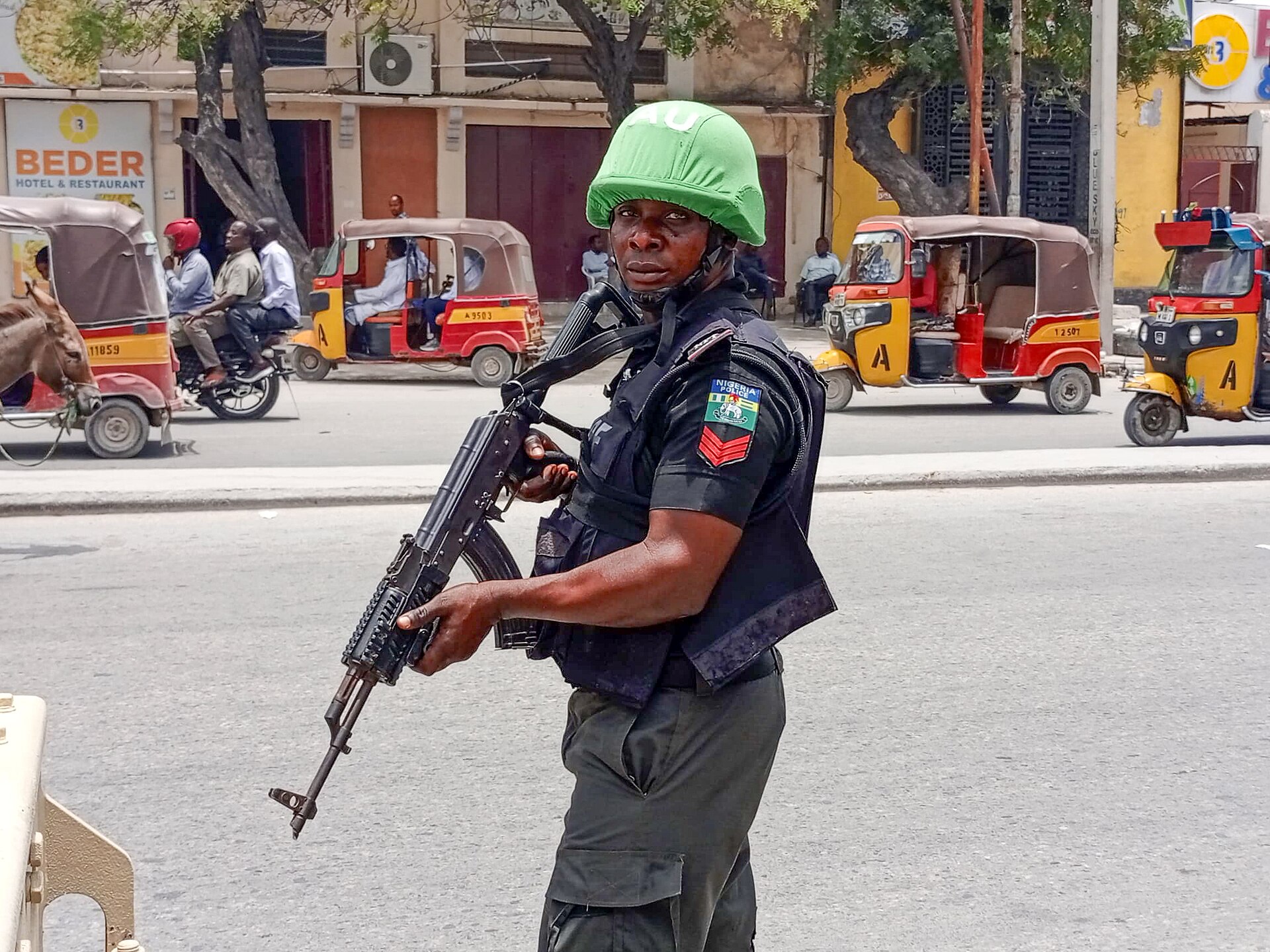
The Supreme Court is Somalia’s highest court, and its Constitutional Division handles disputes over the constitution. Al-Shabaab is an al-Qaeda-linked militant group that the government and African Union forces fight.
What It Means for You
Washington works with Somali forces against al-Shabaab, and a dispute over who holds power can weaken that effort. Our guide to who wants what in Somalia shows how many outside powers are involved.
The State Department already rates Somalia Level 4, Do Not Travel, and nothing in this ruling changes that. Investors and aid groups should watch whether the presidency accepts the court’s orders.
What Is Not Known
It is not yet clear whether the presidency will accept the ruling or the court’s rejection of the dismissal. Opposition leaders have not yet set out how they will use the decision.
Nobody has said how the 30-day talks will work or who will run an election within 90 days. It is also unclear whether Somalia’s regional states will take part.
More: Africa news in English, every day from The Rio Times.
Frequently Asked Questions
What did Somalia’s Supreme Court rule?
The court ruled that President Hassan Sheikh Mohamud’s term ended on 15 May 2026 and that parliament’s mandate ended on 14 April. It ordered elections within 90 days.
Why does the government disagree?
The government says parliament passed amendments in March 2026 that gave the president an extra year. The court declared those amendments null and void.
What happens within the next 30 days?
The court told all sides in the election process to agree on a workable election framework within 30 days. The federal government may only run routine caretaker business meanwhile.
Does this affect US interests?
Washington backs Somali forces against al-Shabaab. A prolonged dispute over who governs could distract those forces and weaken the fight.
Sources: Supreme Court of Somalia, Constitutional Division, ruling on the petition of Sharif Sheikh Ahmed and statement on the Chief Justice, 5 November 2026; Office of the President of Somalia, statement on the Supreme Court leadership, 4 November 2026; Federal Government of Somalia, Provisional Constitution and 2026 amendments, 2026.
This article was produced by The Rio Times’ automated newsroom system. How we use AI · Report an error · Editorial responsibility: Matthias Camenzind, Editor-in-Chief
Horn of Africa and the Red Sea
- Horn of Africa 2026: Why It Matters and Who Backs Whom
- Ethiopia’s Neighbors Explained, Ports, Eritrea, Somalia
- Eritrea Explained 2026, a Red Sea Country Guide
- Somalia Explained: Al-Shabaab, Somaliland, the Ports and the Fight Over a 2026 Vote