Is Bolivia Safe for Expats? What the Numbers Show
BOLIVIA · SAFETY
Key Facts
- —Homicide rate 4.42 per 100,000 in 2023, among the lowest in South America.
- —The data caveat Bolivian crime statistics are poor. The country did not supply figures to independent monitors for 2025.
- —The real risks Opportunistic crime, road blockades, altitude and road conditions — not homicide.
- —The scam to know Fake police. A lawful search in Bolivia requires a written judicial order and a police station with prosecutors present.
- —The disruption Blockades in 2026 cut 67 highways, isolated three cities and cost about US$50 million a day.
- —The date to watch The 90-day state of emergency declared on 20 June expired around 18 September 2026.
Bolivia has one of the lower homicide rates in South America and one of the higher chances that you simply cannot leave the city you are in.
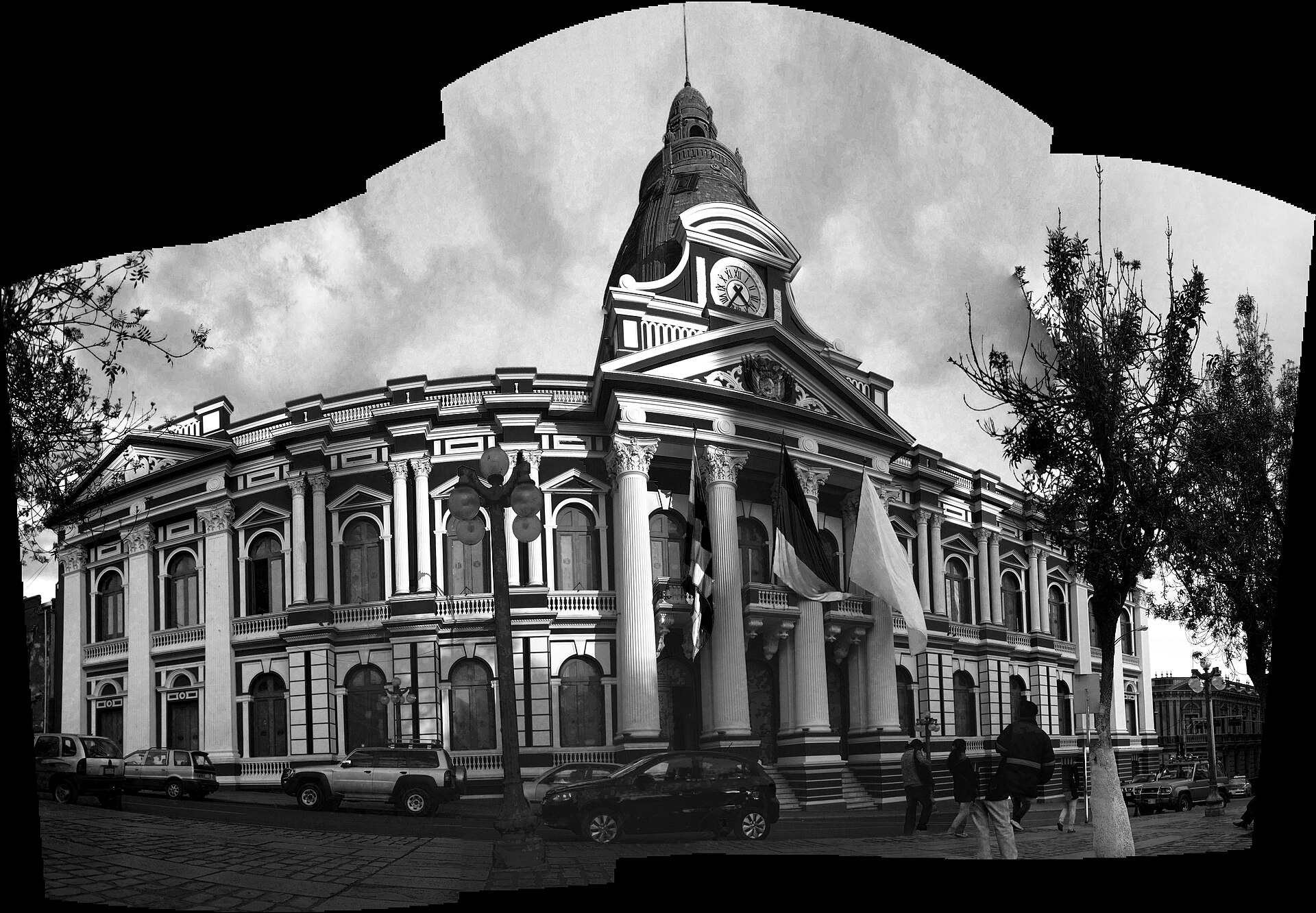
Bolivia is statistically among the safer countries in South America and practically among the more disruptive, and the difference between those two facts is what a newcomer needs to understand.
What the Statistics Say
Bolivia’s intentional homicide rate was 4.42 per 100,000 in 2023 on World Bank and United Nations data. That is below the global average and among the lowest in South America.
The honest caveat is that Bolivian crime data is poor. InSight Crime records that Bolivia did not respond to its request for official figures for 2025, and the only number available, 774 reports of crimes against life through September 2025 against 453 for all of 2024, counts reported cases rather than confirmed victims and cannot be compared with other countries.
Perception surveys, which are not crime statistics, rate Cochabamba worse than La Paz on every measure. Treat them as what residents feel rather than what happens.
Where the Risk Differs
La Paz, at 3,640 metres, is the seat of government and the focal point of protest and blockade activity. El Alto above it, at around 4,061 metres where the airport sits, is poorer and a major site of mobilisations.
Santa Cruz at 416 metres is the lowland commercial capital with no altitude problem, and was the centre of the 2026 fuel-driven moto-taxi blockades. Cochabamba at 2,570 metres records the worst perceived-crime scores of the three main cities.
The Chapare region in Cochabamba department carries the strongest warnings any Western government issues about Bolivia: the United States rates it do not travel, Britain advises against all but essential travel and Canada advises avoiding all travel. It is a coca-growing and narcotrafficking area with limited police presence. The Yungas in La Paz department carries similar though lesser warnings.
The Scams That Target Foreigners
Fake police are the first thing to learn. Criminals impersonate officers and ask to examine documents or belongings. Bolivian law requires a formal written request from a judge for a search, which must take place at a genuine police station with prosecutors present, and Australian guidance puts it plainly: police need a warrant with your name on it to detain or search you.
An officer stopping you in the street and asking to see your wallet is not conducting a lawful search. That single piece of knowledge defuses the most common scheme run against foreigners in Bolivia.
Express kidnapping is rated a high risk, where victims are held briefly and made to withdraw cash from machines. Official advice is not to resist. Street-hailed taxis are the principal vector, so use radio-taxi companies or apps and note the driver’s identification.
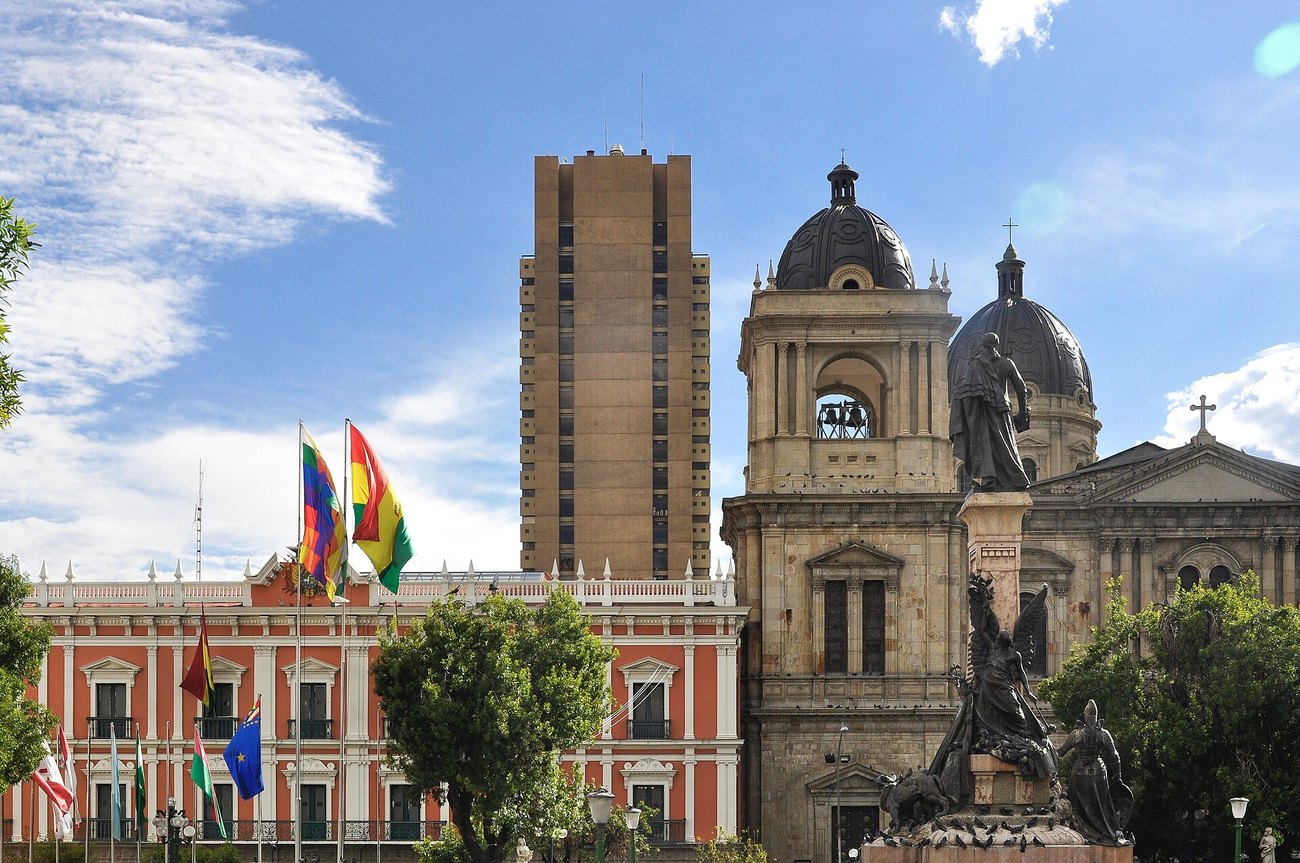
The Blockades Are the Real Disruption
Rodrigo Paz was sworn in on 8 November 2025, ending nearly two decades of dominance by the previous governing party. The start has not been calm.
Protests through 2026 were triggered by a land-collateral law, the removal of fuel subsidies in December 2025, acute fuel shortages and a cabinet drawn from conservative business figures that excluded indigenous and labour representation.
At their peak, 67 highways were blockaded nationwide and La Paz, El Alto and Cochabamba were close to isolated, at a cost of about US$50 million a day. Seventeen people died, 37 were injured and 365 were arrested to 20 June. Seven of those deaths were caused by supply failures reaching blockaded hospitals.
Chicken was airlifted into La Paz. Government-imported low-grade petrol damaged vehicle engines and triggered transport strikes. Roughly 90% of hotel bookings were cancelled, with losses above US$200 million.
Where That Stands Now
A 90-day state of emergency declared on 20 June expired around 18 September 2026, and the United States embassy has warned that organisations across the country are calling for renewed blockades once emergency powers lapse.
Santa Cruz moto-taxi unions suspended an indefinite blockade on 12 September after overnight talks with the hydrocarbons ministry and the state oil company. Their federation president described it as a pause rather than a fix, with a reassessment date of 10 October.
Anyone planning travel inside Bolivia should treat road blockades as a scheduling risk in the way that weather is elsewhere, and should not book non-refundable internal connections tightly.

Altitude Is a Safety Question
La Paz sits at 3,640 metres and El Alto airport at 4,061. Altitude is felt within an hour of arrival, most people adjust in three to seven days, and it remains a permanent factor in exercise capacity, sleep quality and cardiovascular load.
For anyone over sixty, or with cardiac or respiratory conditions, this is a medical consideration rather than a discomfort, and it is the single strongest argument for choosing Santa Cruz over La Paz as a base.
Roads
Road conditions and driving standards are the risk that kills tourists in Bolivia, not crime. Mountain roads with sheer drops, poor lighting, overloaded buses and limited enforcement combine badly.
Canada flags carjacking and civil unrest near the Argentine, Brazilian, Chilean, Paraguayan and Peruvian borders. Overnight intercity bus travel is where most serious incidents involving foreigners occur.
The Balanced Picture
A foreigner living in Santa Cruz or a good district of La Paz, using apps rather than street taxis, avoiding the Chapare and the Yungas and building slack into travel plans, faces a level of personal risk lower than in most of the region.
What they cannot avoid is the disruption. Fuel shortages, blockades and a political settlement still being negotiated are the conditions of living in Bolivia in 2026, and they are the reason people leave rather than crime.
More: Bolivia guides and news, every day from The Rio Times.
Frequently Asked Questions
Is Bolivia safe?
Statistically yes by regional standards, with a homicide rate of 4.42 per 100,000 in 2023. The practical risks are blockades, roads, altitude and opportunistic crime.
How reliable are the crime statistics?
Poor. Bolivia did not supply official figures to independent monitors for 2025, and the available count mixes reported cases with other violent crime.
What is the fake police scam?
Criminals impersonate officers and ask to search you. A lawful search requires a written judicial order and must happen at a police station with prosecutors present.
Which areas should be avoided?
The Chapare in Cochabamba department carries do-not-travel warnings from the United States and avoid-all-travel advice from Canada. The Yungas carries lesser warnings.
What are the blockades?
Road blockades used as a protest instrument. In 2026 they closed 67 highways, isolated three cities and cost about US$50 million a day.
Is altitude a safety issue?
Yes, in La Paz and El Alto. For anyone over sixty or with heart or lung conditions it is a medical consideration, and an argument for basing in Santa Cruz.
Sources: UNODC and World Bank homicide data, InSight Crime, UK FCDO, Government of Canada, Australian Smartraveller, US Embassy La Paz, Trading Economics.
This article was drafted with automated assistance and reviewed before publication. How we use AI · Report an error
Read More from The Rio Times