Healthcare in Bolivia for Expats: What It Costs and Where to Go
BOLIVIA · HEALTHCARE
Key Facts
- —The structure Three parallel systems: the public SUS, employer-tied social security cajas, and private clinics.
- —Where expats go Private clinics, almost without exception.
- —Can foreigners use the public system Yes, since September 2024, with an identity document or passport. In practice few do.
- —The best private care Santa Cruz. Clínica Foianini is an accredited international network provider.
- —Local insurance Plans from about 100 bolivianos a month, roughly US$9, but they supplement the public system rather than replacing it.
- —What a retiree needs An international policy with evacuation cover. Local plans are not a substitute.
Bolivian private medicine is inexpensive and better than its reputation. What it lacks is the depth that a serious emergency needs, which is why evacuation cover matters more here than almost anywhere in the region.
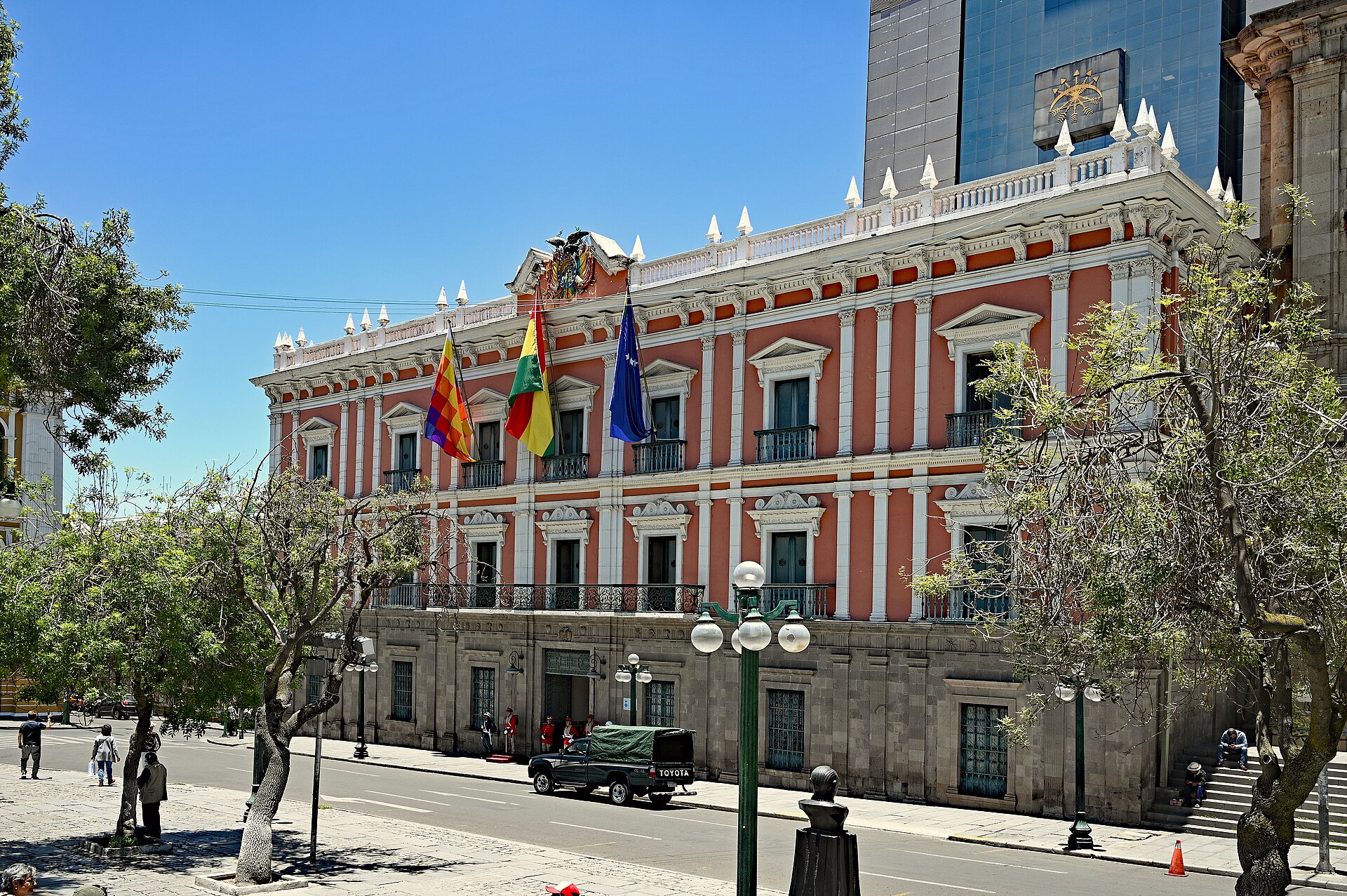
Bolivia offers private medical care at a fraction of North American or European prices, delivered through a system that most foreigners never fully understand because they only ever touch one part of it.
The Three Systems
The Sistema Único de Salud, created by law in February 2019, is free at the point of use and financed from general revenue. It was designed for people not covered by short-term social security, and the government reports around 7.4 million people registered.
The cajas de salud are employer-tied social security funds, of which the Caja Nacional de Salud is the largest, financed by a 10% employer payroll contribution with nothing paid by the employee.
Private clinics are the third system and where nearly all foreign residents actually receive care. The three barely interact.
Can a Foreigner Use the Public System
Yes, in principle. The health ministry opened public registration to migrants in September 2024, requiring an identity card or a passport.
In practice very few foreign residents use it. Waiting times, facility standards and the gap between what is nominally covered and what is actually available all push people toward private care, which is affordable enough that the calculation is easy.
Where the Good Clinics Are
Santa Cruz has the country’s strongest private medicine. Clínica Foianini on Avenida Irala is the reference institution and an accredited provider in an international insurance network, which matters if you hold a policy issued abroad. Clínica Incor covers cardiology, with Sirani, Niño de Jesús, Melendres and Grumesco also established.
La Paz has Clínica del Sur, Clínica Alemana, which is also an international network provider, and Clínica 6 de Agosto among others. The German embassy in La Paz maintains a vetted list of doctors, which is a more reliable starting point than any directory.
Cochabamba has built a genuine specialist reputation, with Los Olivos, Belga, Copacabana and Boliviana Americana the main names. The national competition authority’s own market study describes the city as a national and international reference point for specialist care.

What It Costs
Bolivian clinics do not publish tariffs, which makes precise figures hard to state. A fixed-price list from a mid-tier La Paz clinic in December 2023 gives the order of magnitude: 70 bolivianos for a general, internal medicine, gynaecology, surgery or dermatology consultation, 100 for endocrinology or rheumatology, 120 for oncology, 100 for an electrocardiogram, 890 for a Doppler echocardiogram and 600 for a stress test.
Those bolivianos were priced when the currency was pegged at 6.96 to the dollar. After the June 2026 float they translate to roughly US$6 for a consultation and US$71 for an echocardiogram at today’s rate, but local prices have risen since and the dollar figures should be treated as a floor rather than a quote.
Statutory maximum daily prices, set by ministerial resolution in 2021 and still the only binding ceiling on record, cap intensive care at 3,324 bolivianos a day, intermediate care at 2,604 and a general ward at 1,137 — roughly US$288, US$226 and US$99 at the current rate.
Insurance, and the Word That Matters
Local private plans look startlingly cheap. Basic cover runs 100 to 130 bolivianos a month, about US$9 to US$11, and premium plans 570 to 720, about US$49 to US$62. The insurers are Credinform, Fortaleza, Nacional Seguros, La Boliviana Ciacruz, Alianza, BISA and Mapfre Bolivia, all regulated by the insurance supervisor.
All seven are described as complementary to the public system. They supplement it rather than replacing it, which means the cover is narrower than the price suggests and a serious claim can fall outside it.
Age-banded pricing is not published in Bolivia. A foreigner in their sixties who wants genuine coverage should assume an international policy, which is a different product at a different price, and should not treat an eleven-dollar local plan as equivalent.
Evacuation Is the Line Item That Matters
Bolivia is landlocked, and its two largest cities are separated by a mountain range and about 3,200 metres of altitude. Complex cardiac surgery, major trauma and advanced oncology are frequently handled by moving the patient, often to Santa Cruz and sometimes out of the country.
Any policy bought for Bolivia should include medical evacuation with a clear definition of what triggers it and who decides. That is the single most important clause in a Bolivian health policy and the one most often missing from cheap local plans.

Altitude as a Medical Factor
La Paz sits at 3,640 metres and El Alto airport at 4,061. Arrivals feel it within an hour and most adjust in three to seven days, but the effect on exercise capacity, sleep and cardiovascular load is permanent.
For anyone over sixty, or with cardiac or respiratory conditions, that is a medical consideration rather than an inconvenience, and it is the strongest argument for basing in Santa Cruz at 416 metres.
Pharmacies and Dentistry
Pharmacies are widespread and many medicines that require a prescription elsewhere are available over the counter. Prices are low by international standards, though supply of specific branded products is inconsistent and substitution is common.
Dentistry is among the cheapest in the region and of reasonable quality in the private clinics of the main cities, which is why a proportion of foreign residents schedule dental work for the months they are in Bolivia.
What a Newcomer Should Actually Do
Register with a private clinic in the city you live in, identify a GP you can reach, and keep the German embassy list or an equivalent vetted directory to hand.
Hold an international policy with evacuation cover if you are over sixty or have a chronic condition. Use local complementary cover only as a supplement to it, and pay cash for routine consultations, which at six to ten dollars are not worth claiming against.
More: Bolivia guides and news, every day from The Rio Times.
Frequently Asked Questions
Can foreigners use Bolivia’s public health system?
Yes, since September 2024, with an identity document or passport. In practice most foreign residents use private clinics.
How much does a private consultation cost?
A 2023 mid-tier list shows 70 bolivianos for a general consultation, roughly US$6 at today’s rate. Prices have risen since the June 2026 currency float.
Which are the best private clinics?
Clínica Foianini in Santa Cruz is the reference institution. Clínica Alemana and Clínica del Sur in La Paz, and Los Olivos in Cochabamba, are also established.
Is local health insurance enough?
No. Bolivian plans are complementary cover that supplements the public system. A foreigner in their sixties should hold an international policy.
Why does evacuation cover matter?
Complex cases are often handled by moving the patient between cities or out of the country. It is the most important clause in a Bolivian policy.
Is altitude a health risk?
In La Paz and El Alto, yes. For anyone over sixty or with heart or lung conditions it is a medical consideration.
Sources: Autoridad de Fiscalización de Empresas market study, Ministerio de Salud price resolutions, Bupa Latin America network listings, German Embassy La Paz.
This article was drafted with automated assistance and reviewed before publication. How we use AI · Report an error
Read More from The Rio Times