Rio de Janeiro Nightlife Guide 2026: Neighborhoods, Costs, Safety and How the Scene Works
Guides · Brazil · Nightlife
Key Facts
—Where. Rio de Janeiro’s nightlife concentrates in four areas: Lapa and the old port quarter around Pedra do Sal, plus Botafogo and Copacabana further south.
—Rhythm. Weeknights belong to the roda de samba — an open samba circle where musicians play around a table. Friday and Saturday are the peak club nights. Monday has its own institution: the free roda at Pedra do Sal.
—Cost. A beer in a neighborhood bar costs about R$10–20 (roughly US$2–4 at the September 2026 exchange rate of about R$5.2 per dollar). Club entry typically runs R$40–150 (about US$8–29).
—Getting home. The metro stops around midnight. After that, use registered taxis or ride-hailing apps such as Uber or 99 — both work reliably in Rio.
—Daily coverage. This guide is the permanent reference. For tonight’s specific concerts, rodas and parties, read our daily Rio de Janeiro Nightlife Tonight briefing.
Rio de Janeiro’s nightlife is not a single scene but a set of neighborhoods with different rhythms — samba circles in the old port, clubs under the Lapa arches, quiet bars in Botafogo. This guide explains how the system works, what it costs and how to move through it safely.
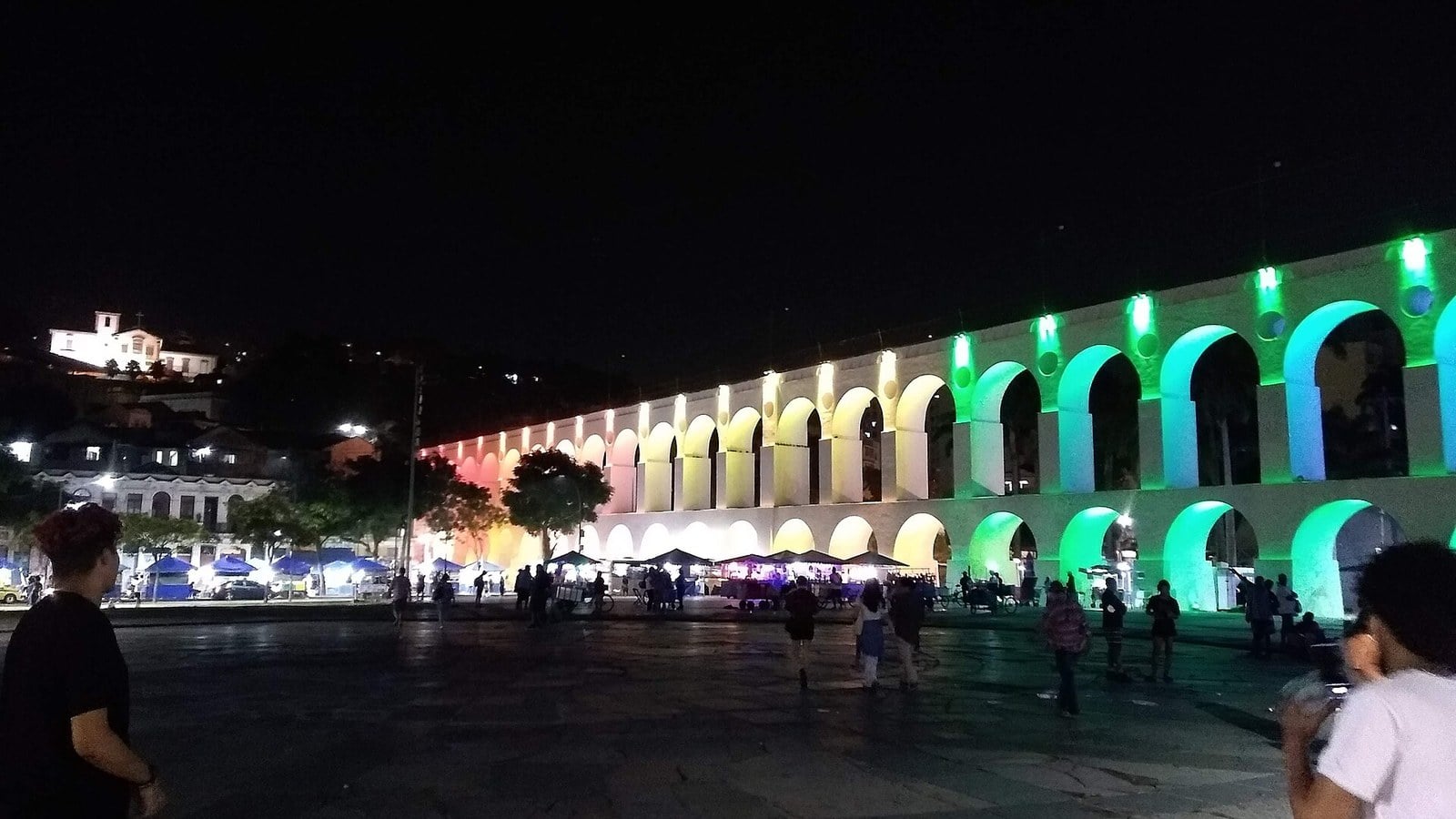
The Neighborhoods That Matter
Lapa is the center of gravity. The district around the white arches holds the city’s densest cluster of music venues, from century-old samba houses to dance clubs. Streets fill after 10 p.m. on Fridays and Saturdays, and much of the scene happens outdoors between the venues.
North of Lapa, in the old port quarter of Saúde, sits Pedra do Sal — a flat granite square that is a birthplace of samba. The free Monday roda there draws locals and foreigners alike. A second free session runs on Fridays. These evenings are the single most authentic entry point into Rio’s music culture, and they cost nothing.
Botafogo offers a quieter register: small bars, craft-beer spots and live-music rooms along and around Rua Nelson Mandela. Copacabana’s beach kiosks stay open late and suit an unplanned drink, though the neighborhood’s nightlife skews older and more tourist-oriented.
How a Rio Night Actually Works
Timing differs from Northern Europe or North America. Dinner starts late, around 9 or 10 p.m. The rodas de samba begin early — often 7 p.m. — and wind down by midnight. Clubs fill after midnight and run until 4 a.m. or later.
The roda de samba is the institution foreigners most often miss. Musicians sit around a table; everyone else stands, sings and drums along. Entry is usually free or cheap, the crowd is mixed in age and income, and the format repeats across the city on different weekdays. Monday belongs to Pedra do Sal; other squares have their own nights.
Venue programmes change weekly. Established Lapa houses such as Rio Scenarium and Carioca da Gema run live samba most nights, but the specific act on a specific date is exactly what our daily briefing tracks.
What a Night Costs
Prices below reflect September 2026, at an exchange rate of about R$5.2 per US dollar. A beer in a neighborhood bar runs R$10–20 (US$2–4); the same beer in a Lapa music venue costs R$15–30. Club entry ranges from R$40 to R$150 (US$8–29), and many venues add a consumption minimum charged on a card or wristband you settle when leaving.
The consumption-card system surprises many visitors. Instead of paying per drink, you receive a card at the door, every order is charged to it, and you pay the total at a cashier on the way out. Losing the card triggers a steep fixed fee — treat it like cash.
Cards are accepted almost everywhere, including the street stalls at rodas, which increasingly take Pix — Brazil’s instant payment system — though a small amount of cash remains useful there.
Safety and Getting Home
Rio’s nightlife areas are busy and generally well policed on peak nights, and the main risk to foreigners is petty theft, not violence. The standard precautions are simple: carry one card and limited cash, keep your phone out of sight on the street, and stay on lit, crowded routes.
Transport planning matters because the metro stops around midnight. Before that hour it is the fastest way between the south zone and Centro. After midnight, use Uber or 99; both are widely available in Lapa and the south zone and cost a fraction of European fares. Avoid walking through empty Centro streets late at night, including the stretch between Lapa and Pedra do Sal after crowds thin out.
How to Use This Guide
This page explains the permanent structure — neighborhoods, costs, safety, etiquette. It is reviewed and refreshed regularly, and it deliberately does not list tonight’s programme. For that, our newsroom publishes the Rio de Janeiro Nightlife Tonight briefing every morning with the day’s verified concerts, rodas and parties.
What we cannot guarantee: individual venues change line-ups, prices and opening nights frequently, and we verify specific events only in the daily edition. If a detail here has drifted, the daily briefing carries the current state — and we correct this guide promptly when its fundamentals change.
Frequently Asked Questions
Is Rio de Janeiro’s nightlife safe for foreigners?
The main nightlife districts are busy and policed on peak nights, and the principal risk is petty theft rather than violence. Carry one card and limited cash, keep phones out of sight on the street, stay on lit and crowded routes, and use Uber or 99 after the metro stops around midnight.
What is a roda de samba?
A roda de samba is an open samba circle: musicians play around a table while the crowd stands, sings and drums along. Entry is usually free or cheap. Rio’s best-known example is the free Monday roda at Pedra do Sal in the old port district, with a second session on Fridays.
Which night is best for going out in Rio?
Friday and Saturday are the peak club nights, with Lapa streets filling after 10 p.m. Monday offers the city’s most traditional evening — the free samba roda at Pedra do Sal. Weeknights otherwise lean toward rodas and live samba houses rather than clubs.
Do I need Portuguese for a night out in Rio?
No, but basics help. Staff at Lapa venues and ride-hailing drivers often speak little English. Learning a few phrases and having your destination written down in Portuguese covers most situations. Menus and payment by card work without any Portuguese at all.
Connected Coverage
Rio’s nightlife shifts with the city’s calendar — Carnival, New Year’s Eve and the festival season each change what the nights look like.
Rio de Janeiro Nightlife Tonight — daily briefings on The Rio Times
Sources: The Rio Times Nightlife Tonight archive; The Rio Times expat coverage of Rio de Janeiro.
This article was produced by The Rio Times’ automated newsroom system. How we use AI · Report an error
In depth