Quaest Poll: 56% of Brazilians Distrust Supreme Court
BRAZIL · POLLING
Key Facts
- —What is new A Quaest poll published this week found 56% of Brazilians distrust the Supreme Federal Court, up from 46%.
- —Why that is striking The court is unelected and appointed for life. It has spent three years as the central actor in Brazilian politics.
- —Who was asked 2,004 people, interviewed between 10 and 13 September, with a margin of error of two points.
- —The other race The 2027 presidential election. Flávio Bolsonaro, a senator and son of the former president, is running level with President Lula.
- —How level Quaest has it 42 to 40. BTG/Nexus has it 47 to 46. Both gaps sit inside the margin of error.
- —What it is not A national lead for either man. The state-level numbers pull in different directions.
More than half of Brazilians now say they do not trust their Supreme Court. A year ago fewer than half did.

A Quaest survey published this week found 56% of Brazilians distrust the Supreme Federal Court, up ten points from 46%. The fieldwork ran from 10 to 13 September. That was days before the court met to consider a police report on one of its own.
The Trust Number
Quaest interviewed 2,004 people between 10 and 13 September. The margin of error is two percentage points, and the survey is registered with the electoral court as BR-03607/2026.
The result was published by Globo. Distrust in the Supreme Federal Court stands at 56%, against 46% in the previous wave.
A ten-point move in a single polling cycle is large. It is also measured against a court that has been the subject of continuous political argument since 2023.
The fieldwork closed on 13 September. The plenary session on Justice Alexandre de Moraes opened on the morning of 15 September, so none of it is captured here.
Why an Unelected Court Cares About Polls
Brazil’s Supreme Court justices are appointed by the president, confirmed by the Senate, and serve until they are 75. No election can remove them.
That independence is the point of the design. It also means the court has no ballot-box mandate to fall back on when it becomes unpopular.
Its authority rests on the assumption that its rulings will be obeyed. Public confidence is the raw material of that assumption.
Congress has repeatedly floated constitutional amendments to limit the court’s powers. A court that half the country distrusts is a court those proposals find easier to reach.
The Presidential Race Is Tied, Not Turning
Two national polls this week put Flávio Bolsonaro and Luiz Inácio Lula da Silva within a point or two of each other.
Quaest has Bolsonaro at 42% and Lula at 40%. BTG/Nexus has 47% to 46%.
Both were fielded in the same window, and both gaps are smaller than their own margins of error. They are the same finding, not two competing ones.
A poll that shows a two-point gap and a poll that shows a one-point gap are telling you the same thing. The race is level.

The State-Level Picture Is Messier
Brazil elects its president by national popular vote in two rounds. Campaigns are fought state by state, and this week the state numbers disagree.
RTBD polling gives Bolsonaro a seven-point lead in São Paulo, 39% to 32%. São Paulo is the largest electorate in the country.
Rio de Janeiro, the third largest, is 45% to 41%, which is a technical tie.
Minas Gerais has Lula ahead. Minas has picked the winner in every direct presidential election since 1989. Brazilian analysts treat that pattern with more reverence than it deserves.
A claim circulating this week that Bolsonaro leads São Paulo by thirteen points does not appear in any published RTBD dataset.
What Drives the Distrust Number
The court has ordered social media accounts blocked and jailed a former president’s allies. It tried and convicted Jair Bolsonaro for attempting a coup.
Each of those actions has a substantial constituency that regards it as necessary and another that regards it as overreach.
The Banco Master allegations add a different kind of problem. Questions about judicial power are political; questions about a justice’s personal finances are not.
The ten-point move came in a quarter dominated by the second kind.
What This Means for the 2027 Campaign
A court with 56% distrust becomes a campaign asset for whoever runs against it.
Flávio Bolsonaro’s campaign has made judicial reform a central plank. The polling gives that plank a wider audience than it had in June.
Lula’s position is harder. His government appointed two of the current justices and has defended the court through its least popular decisions.
The Supreme Court will also rule on questions directly affecting the election, including eligibility. It will do so with the lowest public confidence it has recorded.
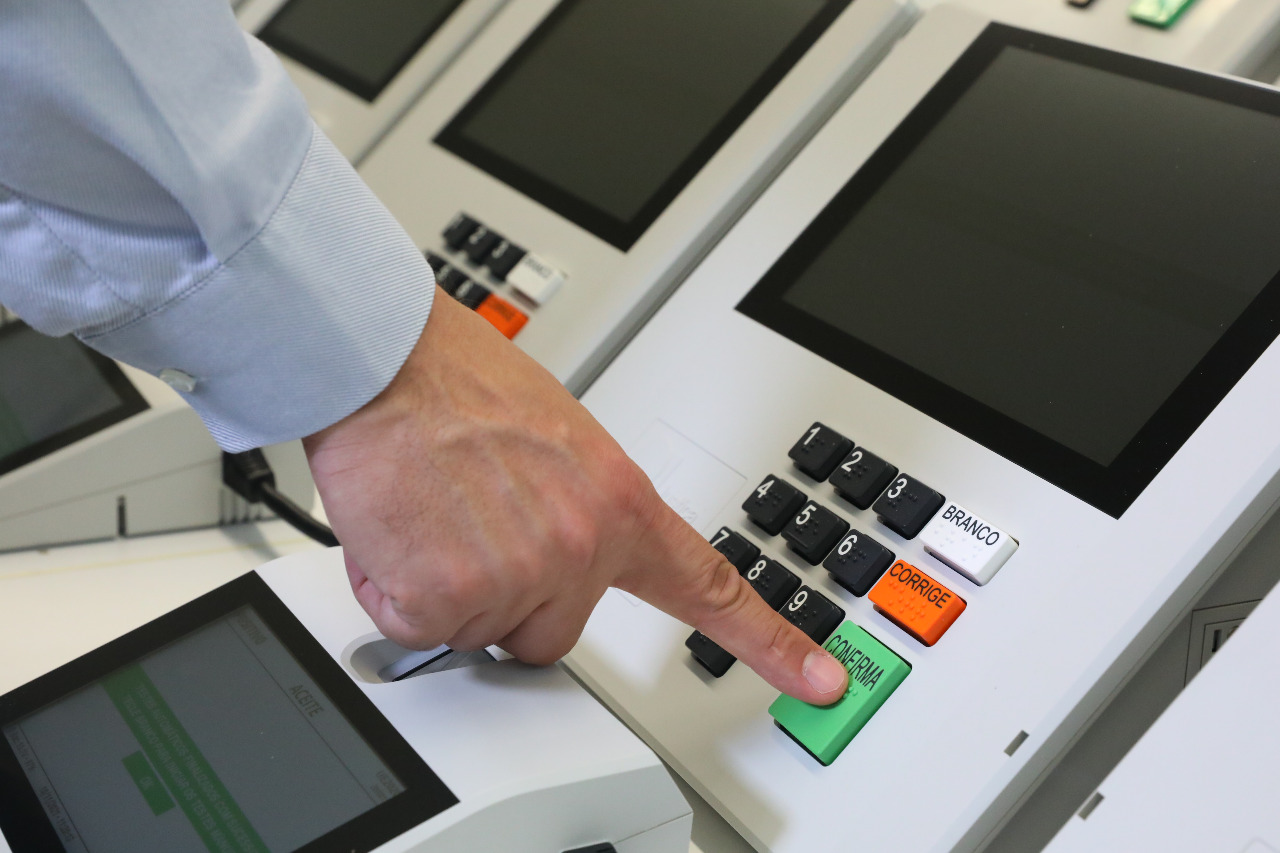
How to Read Brazilian Polls
Registration with the Tribunal Superior Eleitoral is mandatory and the registration number is published with each poll. Quaest’s is BR-03607/2026.
Sample sizes around 2,000 are standard for national surveys and give a margin near two points.
Institutes differ in method. Quaest and Datafolha use in-person interviews; several others use telephone panels, which tend to produce different results among older voters.
Comparing a poll to its own previous wave is more informative than comparing two institutes to each other.
What to Watch
The next Quaest wave will be the first fielded after the plenary session. That is the number that will show whether the court’s decision moved anything.
Datafolha is expected in the same window.
On the presidential race, the thing to watch is not the national headline but whether São Paulo holds. A seven-point lead in the largest state is the only durable advantage either candidate currently has.
Registration for the 2027 election opens next year, and the field is not yet settled.
More: Brazil news and analysis, every day from The Rio Times.
Frequently Asked Questions
How many Brazilians distrust the Supreme Court?
56%, according to a Quaest poll published this week. That is up ten points from 46% in the previous wave.
When was the poll taken?
Between 10 and 13 September 2026, with 2,004 respondents and a margin of error of two percentage points.
Who leads the 2027 presidential race?
Nobody, clearly. Quaest has Flávio Bolsonaro at 42% to Lula’s 40%; BTG/Nexus has 47% to 46%. Both are technical ties.
What do the state polls say?
Bolsonaro leads São Paulo 39% to 32%. Rio de Janeiro is a tie at 45% to 41%. Lula leads Minas Gerais.
Can Brazilians remove a Supreme Court justice?
Not by vote. Justices serve until age 75 and can only be removed by Senate impeachment.
Are Brazilian polls regulated?
Yes. Every published poll must be registered with the electoral court, and the registration number appears with the results.
Sources: Quaest/Globo (TSE BR-03607/2026), BTG Pactual/Nexus, RTBD, Tribunal Superior Eleitoral.
This article was produced by The Rio Times’ automated newsroom system. How we use AI · Report an error
Read More from The Rio Times