Propal Liquidation Ends Colombian Paper Era, 550 Jobs Lost
Colombia
Key Facts
—Liquidation Filing Propal filed for judicial liquidation before the Superintendence of Companies on July 31, 2026.
—Plant Shutdown The company immediately suspended operations at its last active plant in Guachené, Cauca, with the process expected to take 18 to 24 months.
—Job Losses Approximately 550 direct jobs are affected by the final shutdown, following earlier cuts at the Yumbo plant which ceased operations in April 2025.
—Financial Losses Propal reported consolidated losses of 177.296 billion Colombian pesos (about US$43 million at 2024 exchange rates) in 2024.
—Dumping Allegations Parent company Carvajal attributes the crisis to artificially low prices from imported paper, citing dumping practices from Brazil, Portugal, China and Indonesia.
Propal liquidation proceedings began on July 31, 2026, as the Colombian paper manufacturer filed for judicial intervention before the Superintendence of Companies, immediately suspending its last operational plant in Guachené, Cauca, and putting roughly 550 direct jobs at risk.
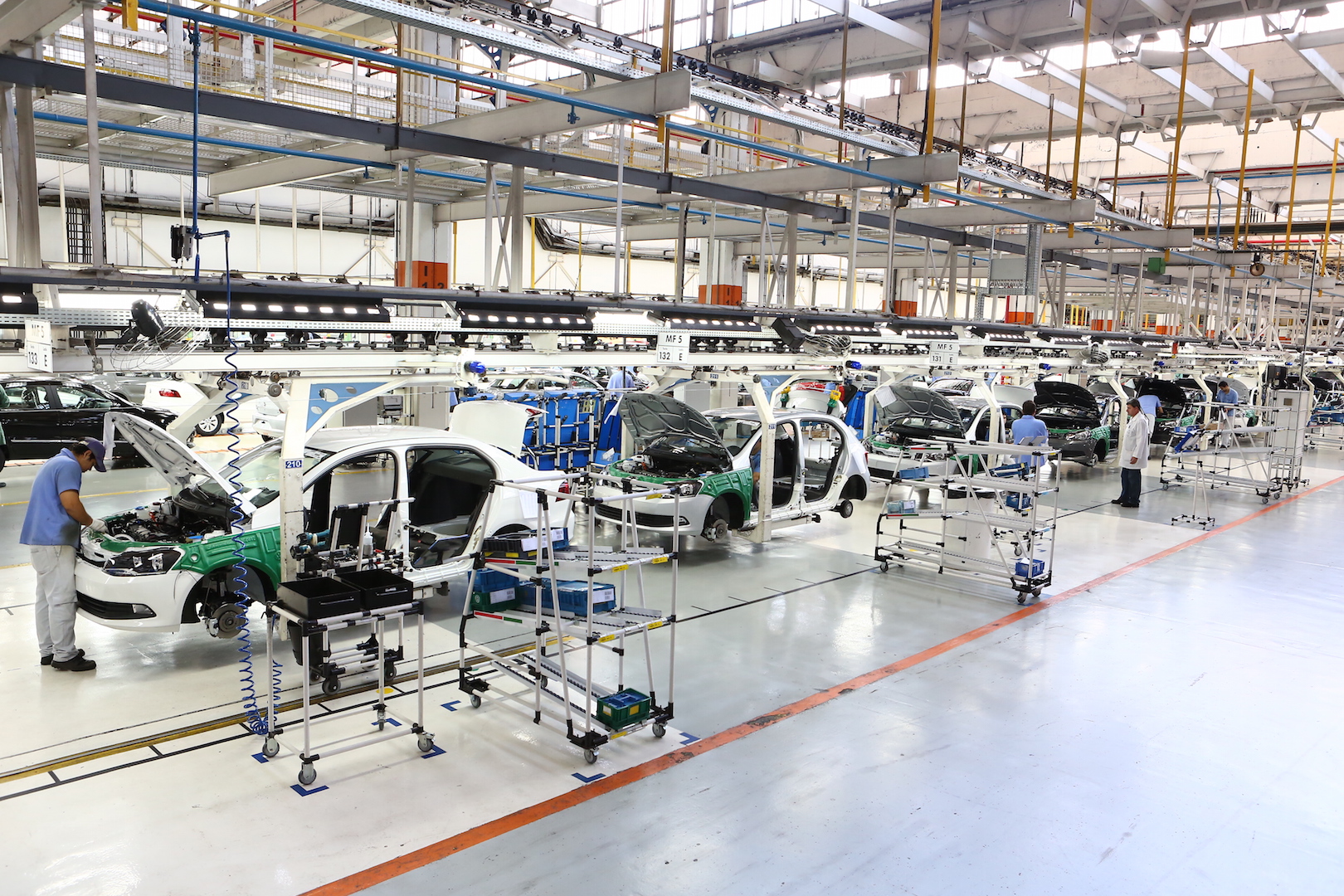
The Final Shutdown in Guachené
The end of an industrial era in Colombia was formalized when Propal’s shareholder assembly approved a judicial liquidation request on July 31, 2026. The company concluded it no longer met the going-concern hypothesis, triggering an immediate suspension of its Guachené plant. The liquidation process is projected to take between 18 and 24 months.
This final closure followed the indefinite cessation of operations at the Yumbo plant in Valle del Cauca on April 10 or 11, 2025. Before the liquidation, the company had been concentrating its dwindling operations in Guachené, which focused on printing and writing papers, while the Yumbo facility historically produced cardboard and wrapping paper.
A Financial Crisis Driven by Global Markets
The decision to liquidate was driven by a severe financial collapse. Propal reported consolidated losses of 171 billion Colombian pesos (about US$42 million at 2024 exchange rates) in 2024. The revenue picture was equally bleak, with 2025 income reported at 475.83 billion pesos (approx. US$116 million), a 51.3 percent drop from a previous figure of 977.062 billion pesos (approx. US$238 million).
Pedro Felipe Carvajal, president of the parent organization, stated that continuing operations would only increase losses “to the detriment of Propal’s assets and its creditors.” The company had exhausted alternatives including restructuring, efficiency drives, investor searches, and diversification. Carvajal provided more than 240 billion pesos (approx. US$58.5 million) in financial support during the search for a solution. Media reports have cited an outstanding debt ranging between 200 billion and 250 billion pesos (approx. US$49 million to US$61 million), though these figures remain inconsistent across sources.
The Human Cost: Hundreds of Jobs Lost
The human impact of the Propal liquidation has been severe and phased. When the Yumbo plant shut down in April 2025, it had around 1,082 employees. Reports from that closure indicated that 563 workers were relocated, 200 received a transitional bonus for retirement, and between 150 and 200 were left definitively unemployed.
The final suspension of the Guachené plant has now affected approximately 550 direct jobs, according to coverage of the liquidation. This final wave of layoffs extinguishes the remaining core of Propal’s workforce, marking a significant blow to the economy of the Cauca region.
Allegations of Dumping and Unfair Competition
Propal and its parent organization, Carvajal, have consistently attributed the company’s failure to external pressures, specifically a combination of global oversupply, the revaluation of the Colombian peso, rising production costs, and what they describe as anticompetitive practices by foreign producers.
The company argued that imports arrived at artificially low prices due to dumping, specifically citing products from Brazil, China, Indonesia, and Portugal. Other reports have also mentioned displaced suppliers from Chile, Sweden, and Finland. A journalistic transcription of a video report claims a study presented to trade authorities found a weighted average dumping margin of 45 percent, though this figure could not be verified in a primary document.
What the Propal Liquidation Says About Colombian Industry
The collapse of Propal serves as a stark warning for Colombia’s manufacturing sector. The company’s inability to compete with a flood of cheaper imports, despite being backed by one of the country’s most prominent industrial conglomerates, highlights the extreme vulnerability of local production to global pricing and currency fluctuations.
The liquidation suggests that even significant internal restructuring and financial support – over 240 billion pesos – could not offset a fundamental mismatch between local production costs and the final price of imported goods. For a nation grappling with deindustrialization, the closure of a historic paper maker highlights the critical challenge of enforcing trade defense mechanisms against dumping while maintaining competitive operational costs.
More: Colombia news in English, every day from The Rio Times.
Frequently Asked Questions
Why is Propal being liquidated?
Propal filed for judicial liquidation because its shareholder assembly determined the business was no longer viable. The company cited a combination of global paper oversupply, artificially low import prices due to alleged dumping, a strong Colombian peso, and high production costs that compressed margins.
How many jobs are affected by the Propal liquidation?
The final shutdown of the Guachené plant affects approximately 550 direct jobs. This follows an earlier closure of the Yumbo plant in April 2025, which had already left between 150 and 200 workers definitively unemployed after relocations and retirement packages.
Who owns Propal?
Propal is owned by the Organización Carvajal, a major Colombian multinational conglomerate. Pedro Felipe Carvajal serves as the president of the organization and has publicly commented on the causes of the paper maker’s financial crisis.
{“@context”:”https://schema.org”,”@type”:”FAQPage”,”mainEntity”:[{“@type”:”Question”,”name”:”Why is Propal being liquidated?”,”acceptedAnswer”:{“@type”:”Answer”,”text”:”Propal filed for judicial liquidation because its shareholder assembly determined the business was no longer viable. The company cited a combination of global paper oversupply, artificially low import prices due to alleged dumping, a strong Colombian peso, and high production costs that compressed margins.”}},{“@type”:”Question”,”name”:”How many jobs are affected by the Propal liquidation?”,”acceptedAnswer”:{“@type”:”Answer”,”text”:”The final shutdown of the Guachené plant affects approximately 550 direct jobs. This follows an earlier closure of the Yumbo plant in April 2025, which had already left between 150 and 200 workers definitively unemployed after relocations and retirement packages.”}},{“@type”:”Question”,”name”:”Who owns Propal?”,”acceptedAnswer”:{“@type”:”Answer”,”text”:”Propal is owned by the Organización Carvajal, a major Colombian multinational conglomerate. Pedro Felipe Carvajal serves as the president of the organization and has publicly commented on the causes of the paper maker’s financial crisis.”}}]}
Connected Coverage
Cali, Colombia Security Lockdown Puts Foreigners at Risk
LatAm Expat & Nomad Daily Guide for Saturday, August 1, 2026
Sources: Superintendence of Companies; Carvajal.
This article was produced by The Rio Times’ automated newsroom system. How we use AI · Report an error
In depth
LatAm Markets: Live Signals → — real-time movers, turnover leaders and FX across Latin America.
Read More from The Rio Times