Machu Picchu Tickets for 2026 Now Easier to Buy Online
Tourism & Policy
Key Facts
—Online Platform. Advance Machu Picchu ticket sales are managed primarily through the official tuboleto.cultura.pe website.
—In-Person Quota. A daily reserve of 1,000 tickets is sold at the Cultural Center in Machu Picchu Pueblo, normally for next-day entry.
—Pre-Ticket Eliminated. Since August 1, 2025, the Ministry of Culture removed the pre-ticket step, allowing direct purchase at five service windows.
—No Special Holiday Rule. There is no separate national-holiday advance in-person purchase system beyond the standard daily and online protocols.
—Phased 2026 Release. Online tickets for 2026 are being released in blocks, starting with January dates, to manage demand.
Peru has standardised its Machu Picchu ticket sales process, eliminating a cumbersome pre-ticket system and clarifying the rules for in-person purchases that are critical for travellers during national holidays.
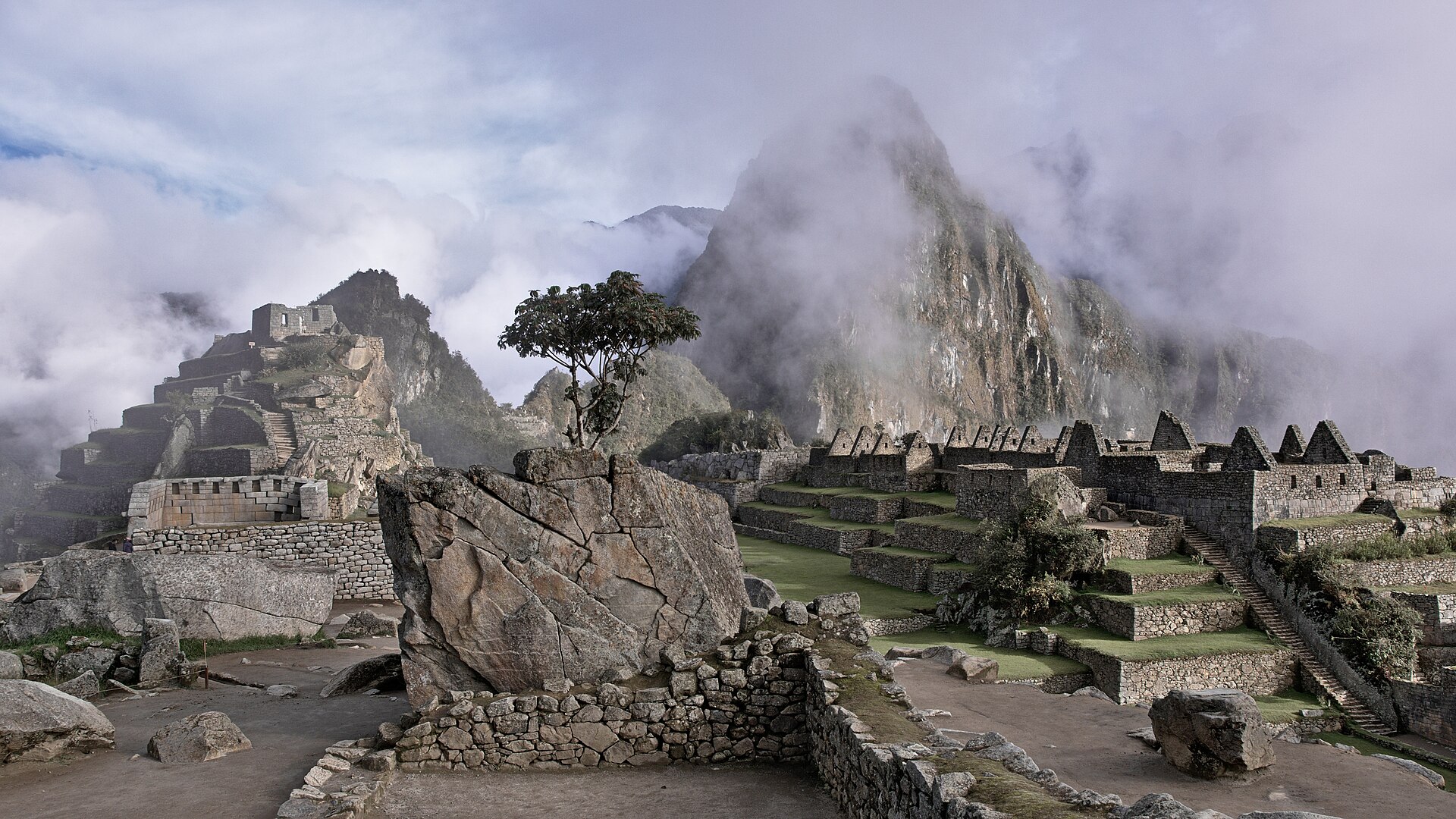
A Streamlined Gateway to the Inca Citadel
The Ministry of Culture has overhauled the on-the-ground purchase experience at one of the world’s most coveted archaeological sites. Since August 1, 2025, the process for securing one of the 1,000 daily in-person tickets in Machu Picchu Pueblo, also known as Aguas Calientes, has been simplified.
Visitors no longer need to obtain a pre-ticket and return for a second transaction. They can now buy directly at five service windows with extended hours, a change designed to reduce queues and confusion at the base of the mountain.
For foreign readers unfamiliar with the geography, Machu Picchu Pueblo is the small town nestled in the valley below the archaeological site. It serves as the gateway where most visitors spend the night before ascending to the ruins, making the location of these ticket windows highly practical for last-minute planners.
How the In-Person System Works Now
The in-person allocation remains a vital safety net for travellers who could not secure a reservation online. These tickets are sold at the Cultural Center in Machu Picchu Pueblo on a first-come, first-served basis.
The standard rule is that these 1,000 daily tickets are for entry on the following day. Purchase requires personal identification, and intermediaries are officially unnecessary, a point the ministry has stressed to protect visitors from unauthorised resellers.
This next-day-only design has a clear practical consequence. A traveller arriving in Aguas Calientes on a Friday afternoon can queue for a Saturday entry ticket, but cannot secure one for Sunday or beyond through this channel.
That limitation is what makes the in-person quota a genuine gamble during periods of high demand.
The Reality of Holiday Travel and Machu Picchu Ticket Sales
Despite rumours of a special advance in-person purchase system for national holidays, the Ministry of Culture has not formalised any such policy. The rules for peak periods, including Peruvian national holidays, are the same as for any other day.
During a period of extreme sell-outs in 2025, the Cusco regional culture office did implement a temporary emergency measure. This allowed visitors to buy in-person tickets for up to three days in advance, but that practice was an operational stopgap and was superseded by the standardised August 1 protocol.
The distinction between a temporary regional fix and a permanent national policy matters greatly. Regional offices can respond to acute pressure, but only a ministerial resolution can create a lasting rule.
For now, no such resolution exists, meaning holiday-weekend travellers face the same next-day queue dynamic as everyone else.
The Primary Route: Online Advance Booking
For investors and travel operators monitoring Peru’s tourism infrastructure, the government’s clear priority is to drive traffic to its official online platform, tuboleto.cultura.pe. The site is the designated channel for securing tickets well in advance, which is the only reliable method for holiday travel.
For the 2026 season, the ministry is releasing tickets in phased blocks according to a published calendar. This strategy aims to create a more predictable booking environment for the international market, which fuels a significant portion of Cusco’s hospitality and service economy.
A phased release means that all January dates become available during one window, February dates during another, and so on. This approach prevents a single on-sale date from crashing the platform and gives travellers multiple opportunities throughout the year to plan.
It also rewards those who follow the official calendar closely.
What This Means for Travel Operators and Expats
The clarification of the rules removes a layer of operational uncertainty for high-end tour operators and concierge services catering to expats and investors. The elimination of the pre-ticket system signals a move toward a more efficient, if still capacity-constrained, visitor management model.
The business read-through is clear: the 1,000 in-person tickets are a high-risk, last-minute option unsuitable for client guarantees. The value lies in mastering the phased online release calendar to secure inventory for premium circuits during the high-stakes holiday periods.
For expatriates living in Peru who host visiting family or friends, the message is equally direct. Relying on the in-person quota for a guest’s once-in-a-lifetime visit during a national holiday carries real risk of disappointment.
The safer path is to align travel dates with the online release schedule well ahead of time.
Looking Ahead: Capacity and Commercial Pressure
The ongoing tension between conservation and commercial demand will keep Machu Picchu ticket sales policy in the spotlight. The daily in-person quota is a pressure valve for the local economy of Aguas Calientes, but it is not a scalable solution for peak-season access.
Any future attempt to create a special holiday advance window would be a significant policy shift, likely requiring a new ministerial resolution. For now, the system is designed to reward early digital planners and leave spontaneous travellers to chance a next-day queue.
What remains to be watched is whether sustained sell-outs during consecutive holiday periods create enough pressure on regional authorities to request a permanent advance-purchase mechanism. Another open question is how the phased online release calendar will hold up if international visitor numbers surge beyond pre-pandemic levels, testing the platform’s capacity and the patience of tour operators who depend on it.
More: Peru news in English, every day from The Rio Times.
Frequently Asked Questions
Can I buy Machu Picchu tickets in person for a national holiday?
There is no special in-person advance purchase system for national holidays. The standard rule applies: 1,000 tickets are sold daily at the Cultural Center in Aguas Calientes, typically for next-day entry only.
For holiday dates, these sell out very quickly.
What is the safest way to secure a Machu Picchu ticket for 2026?
The only reliable method is to purchase online in advance through the official government platform, tuboleto.cultura.pe. The Ministry of Culture is releasing 2026 tickets in phased monthly blocks, so monitoring the official release calendar is essential for peak travel dates.
Did Peru eliminate the pre-ticket system for Machu Picchu?
Yes, effective August 1, 2025, the Ministry of Culture eliminated the pre-ticket requirement for in-person sales in Machu Picchu Pueblo. Visitors can now purchase directly at five service windows, streamlining the process for the 1,000 daily next-day tickets.
This article was produced by The Rio Times’ automated newsroom system. How we use AI · Report an error
Read More from The Rio Times