Nigeria Commissions 3.3MWp Solar Mini-Grid at Abuja University
NIGERIA · ENERGY
Key Facts
- —What happened Nigeria commissioned a solar hybrid mini-grid at Yakubu Gowon University in Abuja on 16 September 2026.
- —The numbers 3.3MWp of solar panels, 2MWh of battery storage, 3MW of alternating current output and 388 solar streetlights.
- —Who did it Minister of Power Joseph Tegbe commissioned the plant. Abba Abubakar Aliyu, managing director of the Rural Electrification Agency, also spoke.
- —The programme Phase 2 of the Energising Education Programme, covering seven universities and two teaching hospitals. Phase 3 is under way.
- —Who it serves The minister put the campus population at 58,726 students.
- —What is not clear Neither the cost of the installation nor the diesel volume it replaces has been published.
A campus that ran on diesel now runs on panels and batteries, with a national programme behind it.
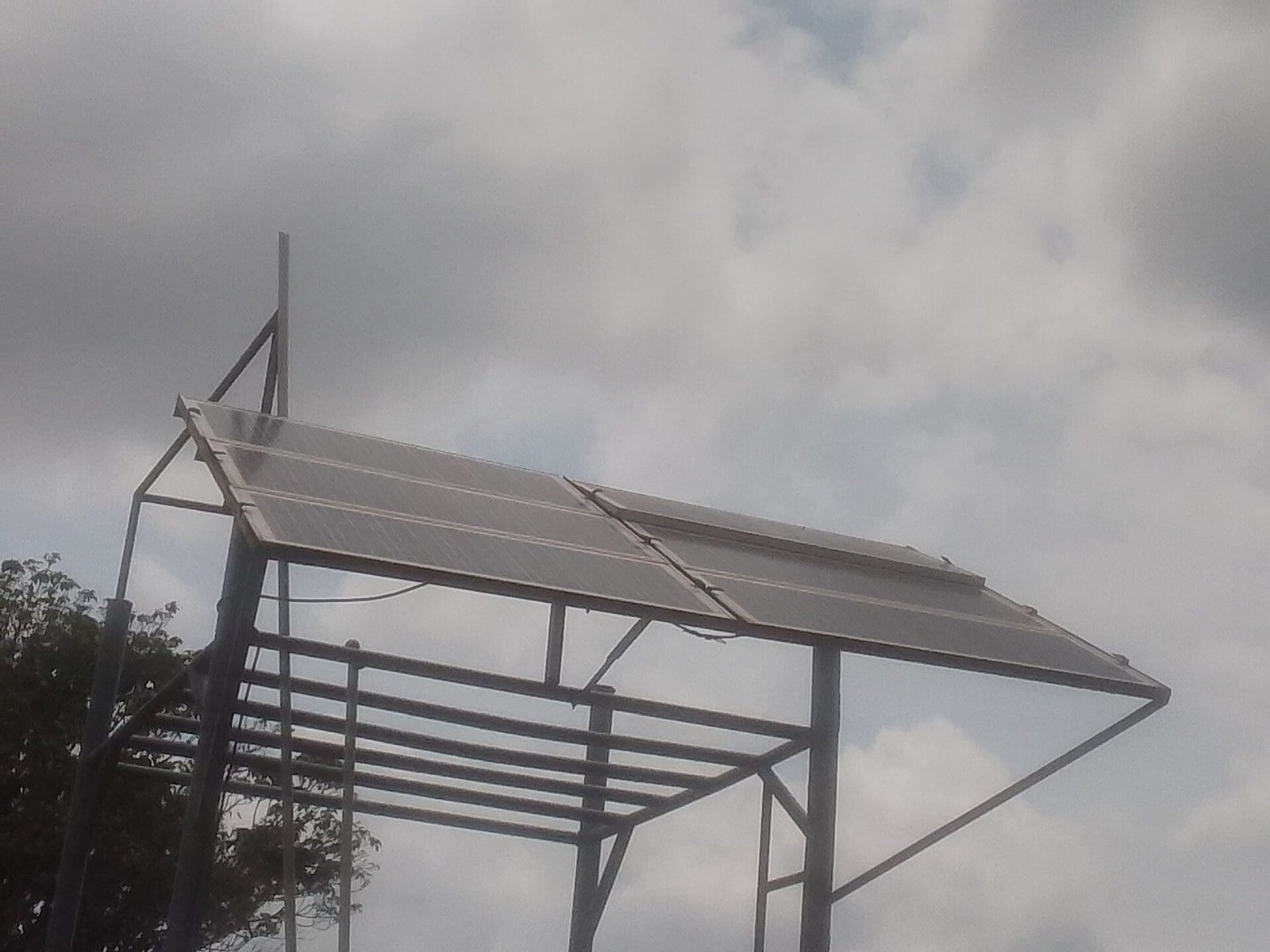
Nigeria commissioned a solar hybrid mini-grid at Yakubu Gowon University in Abuja on 16 September 2026. The plant pairs 3.3MWp of panels with 2MWh of battery storage and delivers 3MW of alternating current. Minister of Power Joseph Tegbe performed the commissioning.
What Was Switched On
The installation carries 3.3MWp of solar photovoltaic capacity and 2MWh of lithium battery storage.
Its alternating current output is rated at 3MW, which is the figure that matters for what the campus can actually run.
The project also delivered 388 solar-powered streetlights across the university grounds.
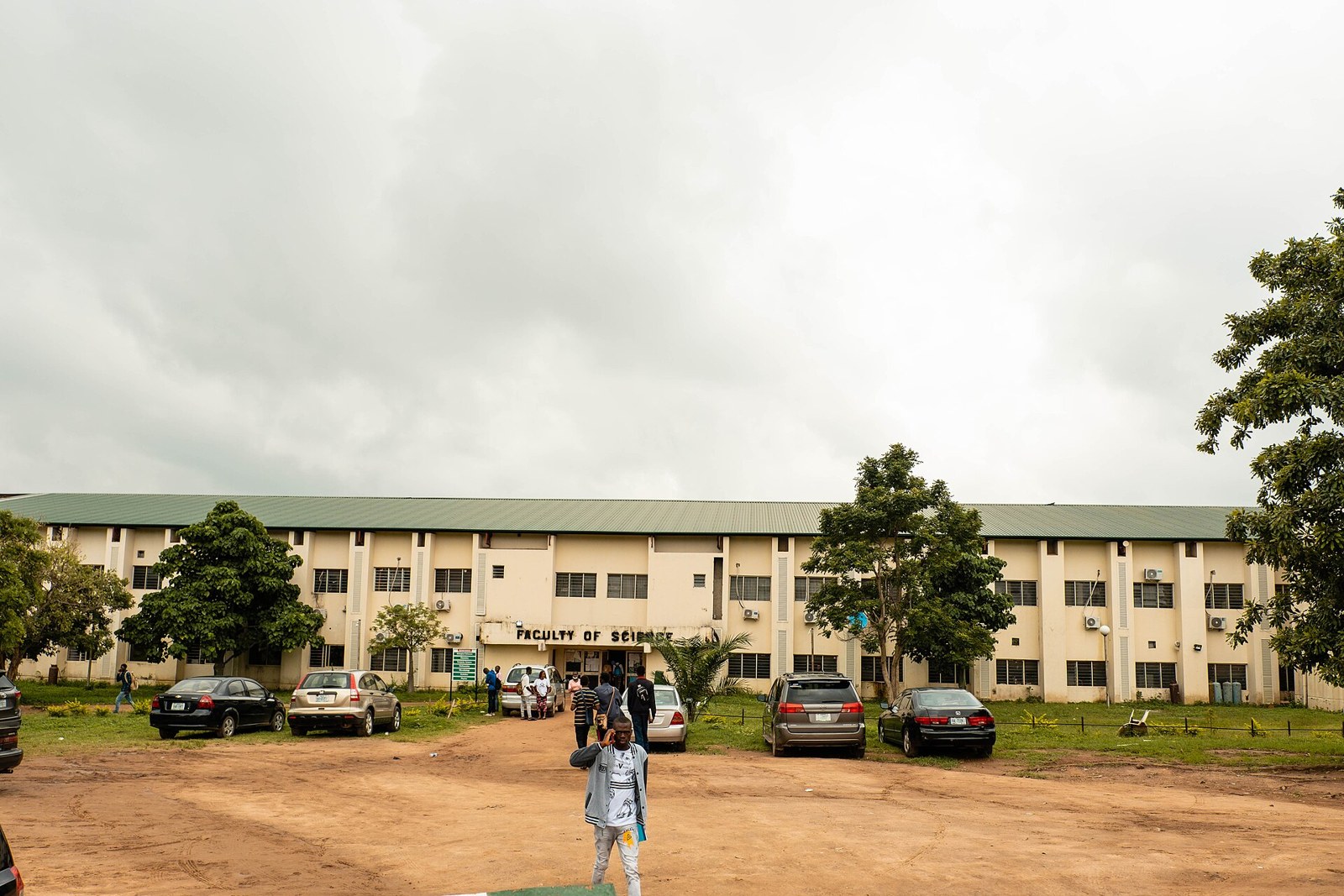
Yakubu Gowon University is the former University of Abuja, renamed in 2025.
The Programme Behind It
The plant sits in Phase 2 of the Energising Education Programme, run by the Rural Electrification Agency.
That phase covers seven federal universities and two teaching hospitals.
A third phase is being implemented, which extends the same model to further campuses.
Minister Tegbe said the plant serves a campus population of 58,726 students.
Why Campuses First
A large Nigerian university is effectively a small town with a single electricity bill.
Its load is predictable, its site is secure and its diesel spending is large enough to make the arithmetic work.
Laboratories, servers and teaching hospitals are also the loads where an outage costs most.
That combination is why federal campuses have been an early target for distributed generation.
The Diesel It Replaces
Nigerian universities have run on diesel generators through decades of unreliable grid supply.
Diesel costs several times more per unit than solar generation over the life of a plant.
Battery storage matters because it carries the campus through the evening, when the panels stop and the load does not.
The government has not published how much diesel this installation displaces, so the saving cannot yet be measured.
Where the Money Comes From
Nigeria’s off-grid push leans heavily on multilateral finance.
The Distributed Access through Renewable Energy Scale-up programme, known as DARES, is backed by US$750 million from the World Bank.
The REA reported more than 200 mini-grids delivered under DARES by early 2025.
Figures circulating for a programme-wide mini-grid target could not be sourced to the agency and are left out here.
The Limits of the Model
A campus mini-grid is not a fix for the national grid, and nobody involved claims it is.
It removes a large customer from a stressed network, which helps, but it does not add transmission capacity.
Maintenance is the recurring weakness of Nigerian solar installations, and batteries have a replacement cycle of their own.
The test is whether this plant is still delivering 3MW in five years, not whether it delivered it on commissioning day.
The Continental Frame
Mission 300, run by the World Bank and the African Development Bank, aims to connect 300 million Africans to electricity by 2030.
The banks say more than 50 million people across 40 countries have been connected so far.
Nigeria has the largest unelectrified population on the continent, so its numbers move the continental total.
Distributed solar is the cheapest route for communities the grid will not reach this decade.
What to Watch
Published performance data from the plant after its first dry season.
The rollout schedule for Phase 3 of the Energising Education Programme.
DARES mini-grid completions, which show whether the off-grid programme is scaling or stalling.
And the maintenance contracts, which decide whether these plants age well.
More: Africa news and analysis, every day from The Rio Times.
Frequently Asked Questions
What was commissioned at Yakubu Gowon University?
A solar hybrid mini-grid with 3.3MWp of panels, 2MWh of battery storage, 3MW of AC output and 388 solar streetlights.
Who commissioned it?
Minister of Power Joseph Tegbe, on 16 September 2026. REA managing director Abba Abubakar Aliyu also spoke.
What is the Energising Education Programme?
A Rural Electrification Agency programme powering federal campuses. Phase 2 covers seven universities and two teaching hospitals.
How many students does it serve?
The minister put the campus population at 58,726 students.
What is DARES?
A US$750 million World Bank-backed programme to scale distributed renewable energy in Nigeria.
What does the project cost?
The cost has not been published, and neither has the volume of diesel it replaces.
Sources: Nairametrics and Leadership reporting on the 16 September 2026 commissioning, Rural Electrification Agency statements, World Bank DARES programme documents.
This article was produced by The Rio Times’ automated newsroom system. How we use AI · Report an error
Read More from The Rio Times