IBOV 192,114.55 ▲ 2.63% IPSA 10,916.57 ▲ 0.08% IPC MEX 64,531.68 ▲ 1.10% MERVAL 2,767,663 ▲ 0.32% COLCAP 2,515.02 ▼ 0.59% BVL PERÚ 59,751.67 ▲ 0.18% USD/BRL5.22▲ 0.17% USD/MXN18.18▲ 0.07% USD/CLP989.60— 0.00% USD/COP3,263▲ 0.27% USD/PEN3.45▲ 0.36% USD/ARS1,524▼ 0.04% USD/UYU40.46▲ 3.63% USD/PYG5,821▲ 3.10% USD/BOB11.93▲ 1.99% USD/DOP59.90▲ 0.84% USD/CRC456.38▲ 2.99% USD/GTQ7.64▲ 3.13% USD/HNL26.86▲ 3.18% USD/NIO36.62— 0.00% USD/VES869.19▼ 0.13% USD/PAB1.00— 0.00% USD/BZD2.00— 0.00% USD/JMD 157.28 — 0.00% USD/TTD6.69▲ 1.65% EUR/BRL5.86▼ 0.47% BRENT 88.88 ▼ 0.03% WTI 83.11 ▼ 0.11% IRON ORE 161.91 — — COPPER 6.61 ▲ 0.03% GOLD 4,461 ▲ 1.78% SILVER 65.59 ▲ 1.26% SOY 1,184 ▲ 3.20% CORN 480.50 ▲ 10.02% WHEAT 655.00 ▲ 3.93% COFFEE 317.25 ▼ 5.51% SUGAR 16.43 ▼ 1.79% ORANGE JUICE 138.55 ▼ 0.47% COTTON 85.03 ▲ 2.33% COCOA 5,719 ▲ 3.18% BEEF 223.60 ▼ 3.93% CATTLE 339.10 ▼ 3.16% LITHIUM 75.20 ▲ 1.47% PETR4 41.64 ▼ 0.05% VALE3 72.97 ▲ 0.83% ITUB4 38.60 ▼ 1.03% BBDC4 16.85 ▲ 0.36% ABEV3 14.89 ▼ 0.80% BBAS3 19.37 ▲ 0.47% B3SA3 14.26 ▼ 0.21% WEGE3 47.59 ▲ 0.49% PRIO3 59.14 ▼ 0.19% SUZB3 41.33 ▲ 2.35% RENT3 34.68 ▼ 0.09% AZZA3 15.89 ▼ 2.63% CSAN3 3.22 ▼ 1.83% RAIZ4 0.25 — 0.00% PCAR3 2.75 ▼ 0.36% GMAT3 3.65 ▼ 1.08% PSSA3 48.13 ▼ 0.54% CVCB3 1.33 ▼ 2.92% POSI3 3.36 ▲ 2.44% SLCE3 13.34 ▲ 0.30% NATU3 8.14 ▼ 0.73% IBOV 192,114.55 ▲ 2.63% IPSA 10,916.57 ▲ 0.08% IPC MEX 64,531.68 ▲ 1.10% MERVAL 2,767,663 ▲ 0.32% COLCAP 2,515.02 ▼ 0.59% BVL PERÚ 59,751.67 ▲ 0.18% USD/BRL 5.16 ▲ 0.01% USD/MXN 17.06 ▼ 0.24% USD/CLP 913.98 ▲ 0.04% USD/COP 3,140 ▲ 0.03% USD/PEN 3.36 ▼ 0.66% USD/ARS 1,493 ▲ 0.10% USD/UYU 40.27 ▲ 1.24% USD/PYG 5,939 ▲ 1.68% USD/BOB 11.64 ▼ 0.76% USD/DOP 58.34 ▲ 1.25% USD/CRC 445.92 ▲ 0.89% USD/GTQ 7.62 ▲ 2.21% USD/HNL 26.79 ▲ 1.57% USD/NIO 36.62 ▲ 0.69% USD/VES 762.44 ▼ 0.13% USD/PAB 1.00 — 0.00% USD/BZD 2.00 — 0.00% USD/JMD 157.28 — 0.00% USD/TTD 6.70 ▲ 0.61% EUR/BRL 5.95 ▲ 1.01% BRENT 88.88 ▼ 0.03% WTI 83.11 ▼ 0.11% IRON ORE 161.91 — — COPPER 6.61 ▲ 0.03% GOLD 4,461 ▲ 1.78% SILVER 65.59 ▲ 1.26% SOY 1,184 ▲ 3.20% CORN 480.50 ▲ 10.02% WHEAT 655.00 ▲ 3.93% COFFEE 317.25 ▼ 5.51% SUGAR 16.43 ▼ 1.79% ORANGE JUICE 138.55 ▼ 0.47% COTTON 85.03 ▲ 2.33% COCOA 5,719 ▲ 3.18% BEEF 223.60 ▼ 3.93% CATTLE 339.10 ▼ 3.16% LITHIUM 75.20 ▲ 1.47% PETR4 41.64 ▼ 0.05% VALE3 72.97 ▲ 0.83% ITUB4 38.60 ▼ 1.03% BBDC4 16.85 ▲ 0.36% ABEV3 14.89 ▼ 0.80% BBAS3 19.37 ▲ 0.47% B3SA3 14.26 ▼ 0.21% WEGE3 47.59 ▲ 0.49% PRIO3 59.14 ▼ 0.19% SUZB3 41.33 ▲ 2.35% RENT3 34.68 ▼ 0.09% AZZA3 15.89 ▼ 2.63% CSAN3 3.22 ▼ 1.83% RAIZ4 0.25 — 0.00% PCAR3 2.75 ▼ 0.36% GMAT3 3.65 ▼ 1.08% PSSA3 48.13 ▼ 0.54% CVCB3 1.33 ▼ 2.92% POSI3 3.36 ▲ 2.44% SLCE3 13.34 ▲ 0.30% NATU3 8.14 ▼ 0.73%
since 2009
Monday, October 5, 2026

Crypto Analysis

NATO’s Global Ambitions: Serving U.S. Dominance or Allied Security?

By · July 25, 2024 · 2 min read

(Analysis) As the geopolitical chessboard evolves, NATO is extending its reach beyond the familiar cold waters of the North Atlantic.

This strategic shift focuses on the Indo-Pacific, a region where the rise of China reshapes global power balances.

China’s ascent in the global economy is undeniable. Between 2000 and 2020, the United States saw its share of the global economic pie shrink from 30% to 25%.

Meanwhile, China’s portion grew from 4% to 17%. These shifts are more than numbers; they signal a future where China might surpass the U.S. as the world’s economic leader.

This backdrop of economic tectonics informs Strategic Alliances: NATO’s Forward March into Asia-Pacific pivot to Asia.
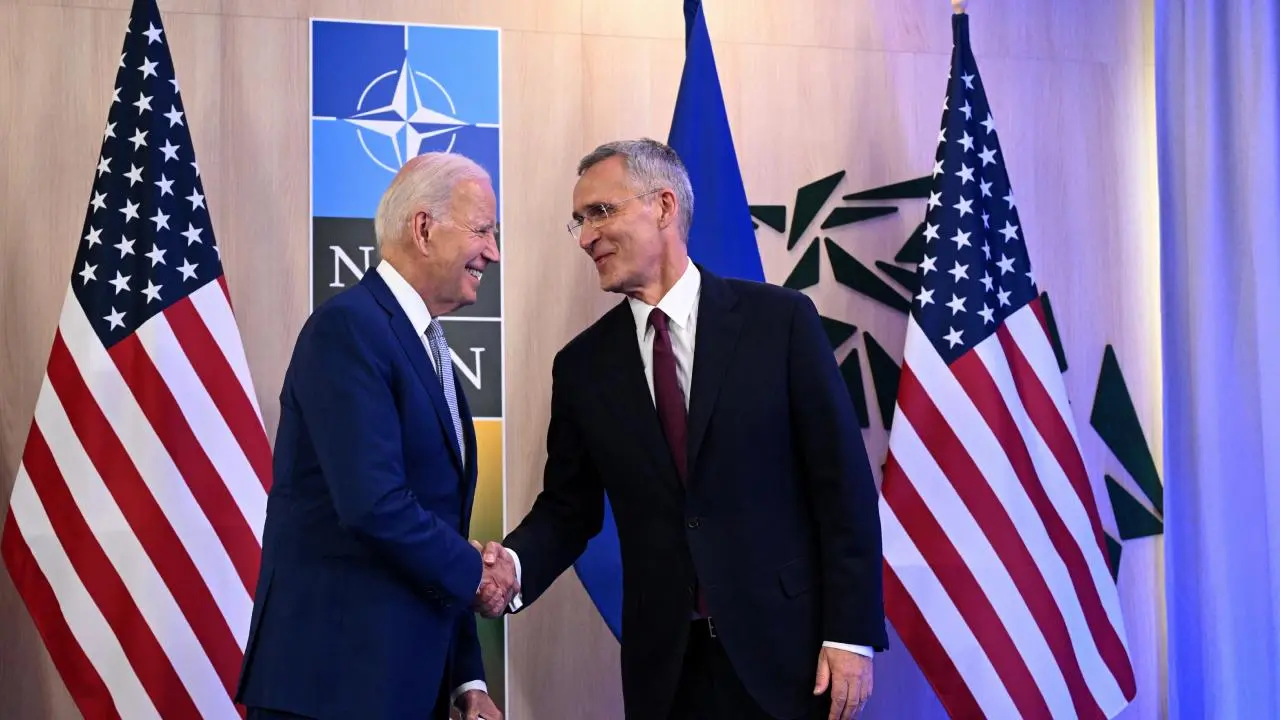
NATO's Global Ambitions: Serving U.S. Dominance or Allied Security?
NATO’s Global Ambitions: Serving U.S. Dominance or Allied Security?
RT
Ask Rio Times
17 years of Latin America reporting, on demand.
Open the full Ask Rio Times →

The alliance has intensified dialogue and initiated strategic partnerships with countries like Australia, Japan, South Korea, and New Zealand.

The LatAm Brief

One email, every weekday morning. What moved in Latin American markets, politics and expat life.

Yesterday’s subject line: “Brazil runoff set: Flávio 47%, Lula 45%, 25 October”

Free. We send a confirmation link first — nothing arrives until you click it. Unsubscribe with one click in any edition. If you stop opening us for 30 days we stop sending by ourselves, as we assume the interest is no longer there. See our privacy policy. We never share your email.

These efforts manifest in various forms, including high-level summit participations and joint projects.

They aim to enhance military healthcare, cyber defense, and ensure freedom of navigation in contentious zones like the South China Sea.

Balancing Power and Global Stability

NATO’s commitment to these regions is not without controversy. Its actions, such as deploying new missile systems in Europe, have heightened tensions with both Russia and China.

These systems have potential nuclear capabilities, further exacerbating the situation.

These moves, often seen as attempts to project U.S. power, complicate international relations and raise questions about the true intent behind NATO’s global posture.

Historically, NATO’s engagements—from the Korean War to the conflicts in Afghanistan and Libya—have often been perceived as extensions of U.S. hegemony.

This perception is bolstered by critiques of U.S. strategies during the neoliberal era of the 1980s and 1990s, characterized by deregulation and privatization.

These policies not only destabilized U.S. economic supremacy but also triggered global financial crises.

This marked a shift from the U.S. being a stabilizing global force to becoming a debtor nation.

As NATO recalibrates its strategic direction in response to these complex dynamics, the implications for global stability and peace are profound.

The alliance’s adaptation to shifting power structures not only affects its member states but also influences global security and economic landscapes.

Understanding these interactions is crucial as NATO continues to expand its influence.

This ensures that its actions serve broader security interests rather than solely U.S. geopolitical ambitions.

This narrative underscores the importance of scrutinizing NATO’s role in an interconnected world where power shifts are swift and far-reaching.

This article was produced by The Rio Times’ automated newsroom system. How we use AI · Report an error · Editorial responsibility: Matthias Camenzind, Editor-in-Chief

Read More from The Rio Times

Rotate for Best Experience

This report is optimized for landscape viewing. Rotate your phone for the full experience.