Locked Away: The Filipe Martins Case and Judicial Scrutiny in Brazil
In Brazil’s complex political environment, Filipe G. Martins, a former advisor to President Jair Bolsonaro, was arrested in February 2024.
His detention, which followed the tumultuous aftermath of Bolsonaro’s electoral loss, has stirred debates on judicial boundaries and political freedoms.
Despite six months in custody, formal charges linking him to any alleged coup attempt remain undisclosed.
Justice Alexandre de Moraes, who is overseeing the case, argues that Martin’s alleged involvement in drafting a document supportive of a coup requires his detention.
This measure is intended to safeguard public order and prevent potential unrest. This position is grounded in the need to uphold democratic integrity and security.
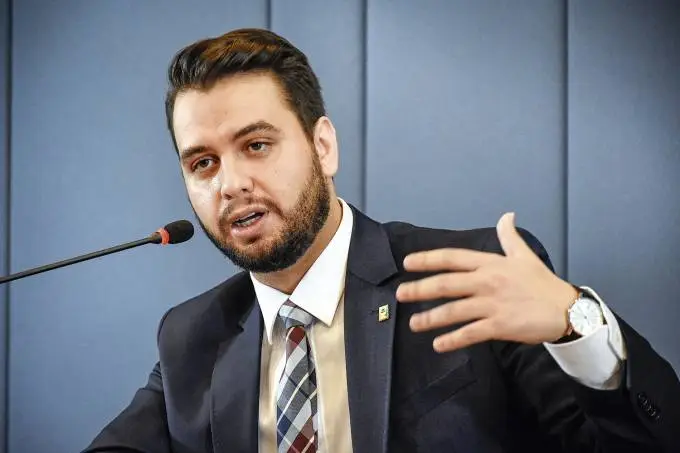
Conversely, Martins’ defense, led by retired judge Sebastião Coelho, contests the legality of his detention, citing a lack of concrete evidence directly associating Martins with criminal activities.
They highlight his presence in Ponta Grossa during the period in question and allege procedural errors, including inaccuracies in travel records, to bolster their case for his release.
Critics of the case view it as indicative of a broader pattern of judicial overreach, arguing that it reflects systemic issues within Brazil’s legal framework.
Legal Battles and Judicial Concerns
Some international observers and segments of the Brazilian media echo this sentiment, drawing comparisons to past judicial excesses.
The unfolding legal battle over Martin’s detention captivates both domestic and international attention.
It also raises important questions about the balance between national security and individual rights.
In addition, the outcome of this high-profile case could influence future legal and political norms in Brazil.
In the broader context, concerns about the Supreme Court‘s role in Brazil have been mounting.
Reports indicate that a substantial segment of the Brazilian population believes the judiciary has overstepped its traditional limits.
In short, this is particularly concerning regarding free speech and political engagement.
Legislative efforts to curb judicial influence are underway, aiming to reinforce the separation of powers and preserve democratic processes.
This article was produced by The Rio Times’ automated newsroom system. How we use AI · Report an error · Editorial responsibility: Matthias Camenzind, Editor-in-Chief