Surveillance Concerns Rise as EU Nations Trial Digital Vaccination Passports
This September, five European nations—Belgium, Germany, Portugal, Greece, and Latvia—will begin testing a digital vaccination passport.
Named EUVABEC, this project leverages lessons from the COVID-19 pandemic to manage and verify vaccination data effectively.
The passport will be available in both digital and paper forms, each bearing a unique QR code to ensure authenticity.
It supports seamless travel within the EU and extends to Iceland, Liechtenstein, and Norway. Issued in local languages and English, it aligns with EU health and safety norms.
Yet, this digital tool raises significant concerns. It could allow unprecedented surveillance and control over personal health data.
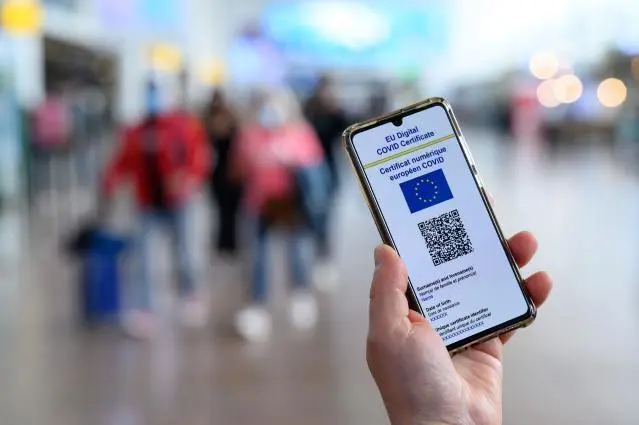
There are fears about the erosion of privacy and the potential misuse of sensitive information. Moreover, the role of pharmaceutical companies in this scenario can’t be overlooked.
They are integral to the passport’s data management, possibly increasing citizen dependency on these corporations. Advocates stress the passport’s necessity for public health security.
It aims to facilitate quicker and safer border checks, reducing the need for repeated testing. This could prove invaluable, especially if new health crises emerge.
The digital vaccination passport could also set a global standard for health data sharing, inspiring other regions to adopt similar measures.
However, the swift rollout of such technology calls for robust debates about privacy, consent, and ethics to protect citizens in the digital age.
This isn’t just about facilitating travel; it’s about how we balance innovation with individual freedoms in a connected world.
This article was drafted with automated assistance and reviewed before publication. How we use AI · Report an error · Editorial responsibility: Matthias Camenzind, Editor-in-Chief