Namibia’s Democratic Crossroads: Power Shift After 34 Years?
On November 27, 2024, Namibia faces a pivotal moment. For the first time since independence, the ruling SWAPO party might lose its grip on power.
This election matters because it could reshape the country’s political landscape and economy. SWAPO’s dominance has waned.
Its vote share plummeted from 87% in 2014 to 56% in 2019. Why? Voters are fed up with corruption and lack of economic progress. Young Namibians, in particular, want change.
The main contenders tell a story of contrast. SWAPO‘s Netumbo Nandi-Ndaitwah, 72, represents the old guard. Her rival, Panduleni Itula of the Independent Patriots for Change, embodies the desire for fresh leadership.
However, their clash symbolizes Namibia’s struggle between tradition and transformation. The election’s significance extends beyond Namibia’s borders.
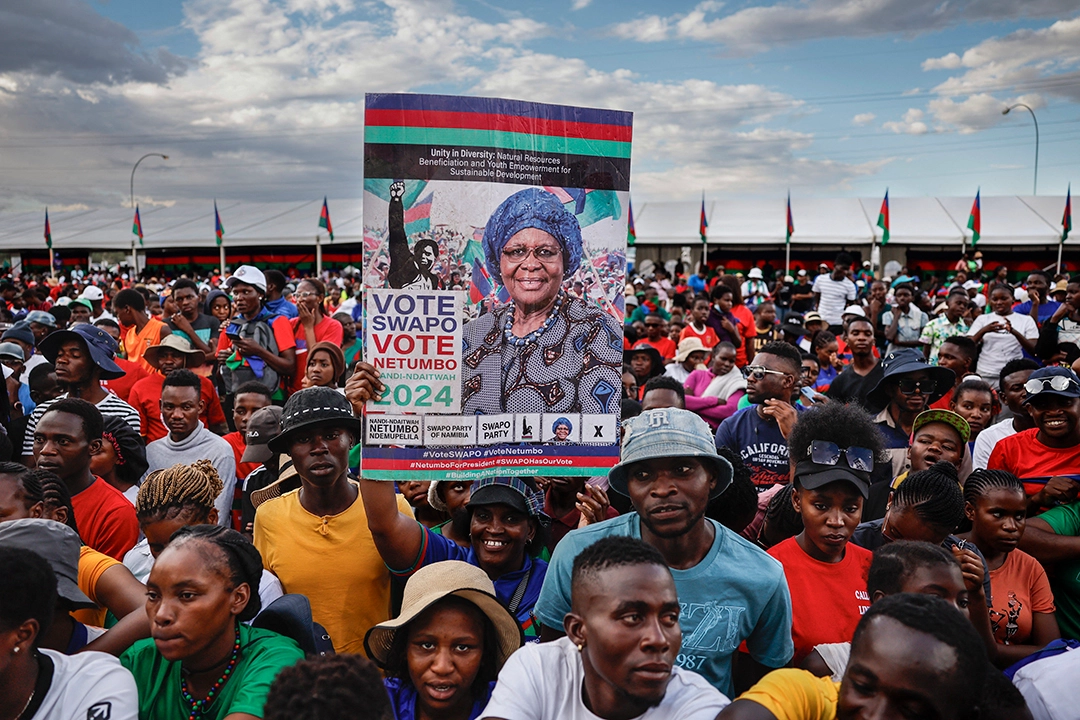
As part of a wave of African elections in 2024, the outcome could influence regional democratic trends. A peaceful transfer of power would set a positive example.
Key issues dominate the campaign. Unemployment, especially among youth, tops the list. Economic diversification is crucial for a country heavily reliant on mining.
Land reform remains contentious. How the next government tackles these challenges will shape Namibia’s future. The electoral system adds intrigue. A presidential run-off is possible if no candidate secures over 50% of votes.
This could unite opposition forces, potentially ending SWAPO’s 34-year rule. As election day approaches, tension mixes with hope. Namibians value their democratic rights but yearn for effective governance.
In short, this vote offers a rare chance for significant change or a mandate for continuity. The world watches as Namibia decides.
Will it embrace change or stick with the familiar? The answer will reveal much about the nation’s political maturity and its vision for the future.
This article was produced by The Rio Times’ automated newsroom system. How we use AI · Report an error · Editorial responsibility: Matthias Camenzind, Editor-in-Chief
Part of our ongoing coverage
Africa: The New Scramble — the great-power contest over the continent.