
NAMIBIA · ANGOLA
Key Facts
- —The country Namibia is a desert nation of about 3 million people on Africa’s south-west coast, next to Angola. It sells diamonds, uranium and beef, and hopes for offshore oil.
- —What happened On Monday 19 October, Namibian President Netumbo Nandi-Ndaitwah and Angolan President João Lourenço opened the first session of the joint Namibia Angola talks in Luanda.
- —The projects Talks cover the Baynes hydropower station, a power interconnector, a one-stop border post at Oshikango and a possible rail extension.
- —The price tag The cross-border Baynes hydropower project is estimated at N$25 billion (about US$1.5 billion), according to Namibia’s state broadcaster NBC.
- —The business side 95 Namibian companies showed interest in an Angola-Namibia business forum held on the same day.
- —What it means for you Power, rail and border projects between two African neighbours could open work for foreign lenders, contractors and freight firms.
- —What is open Official results of the summit, including any signed agreements, have not yet been published.
Namibia and Angola opened new joint talks on Monday 19 October, with Presidents Netumbo Nandi-Ndaitwah and João Lourenço meeting in Luanda, the Angolan capital. The Namibia Angola talks put a hydropower plant, a power line and a border crossing on the table.
For American investors and exporters, the talks matter because they point to who will build and finance power, rail and border links in south-western Africa. Namibia is also a country foreign oil companies are watching, so a better road and power link to its northern neighbour draws attention.
What the Namibia Angola Talks Cover
The commission behind the Namibia Angola talks is a standing body that lets the two governments review their partnership at the highest level. The agreement creating it was signed on 14 July 2019, according to Namibia’s presidency.
Nandi-Ndaitwah arrived on a three-day state visit that ran from 18 to 20 October, the Namibian foreign ministry said. She belongs to Swapo, the party that has governed Namibia since independence in 1990.
Lourenço, who leads Angola’s ruling MPLA party, hosted her in Luanda. Swapo and the MPLA built close links during the liberation struggles of southern Africa, a bond Namibian officials keep stressing.
Power, Rail and Water Projects on the Agenda
Namibia’s state broadcaster NBC listed the Baynes Hydropower Station, the Angola-Namibia power interconnector and a one-stop border post at Oshikango-Santa Clara as the main items. Talks also cover extending the Oshikango railway line into Angola and a water canal.
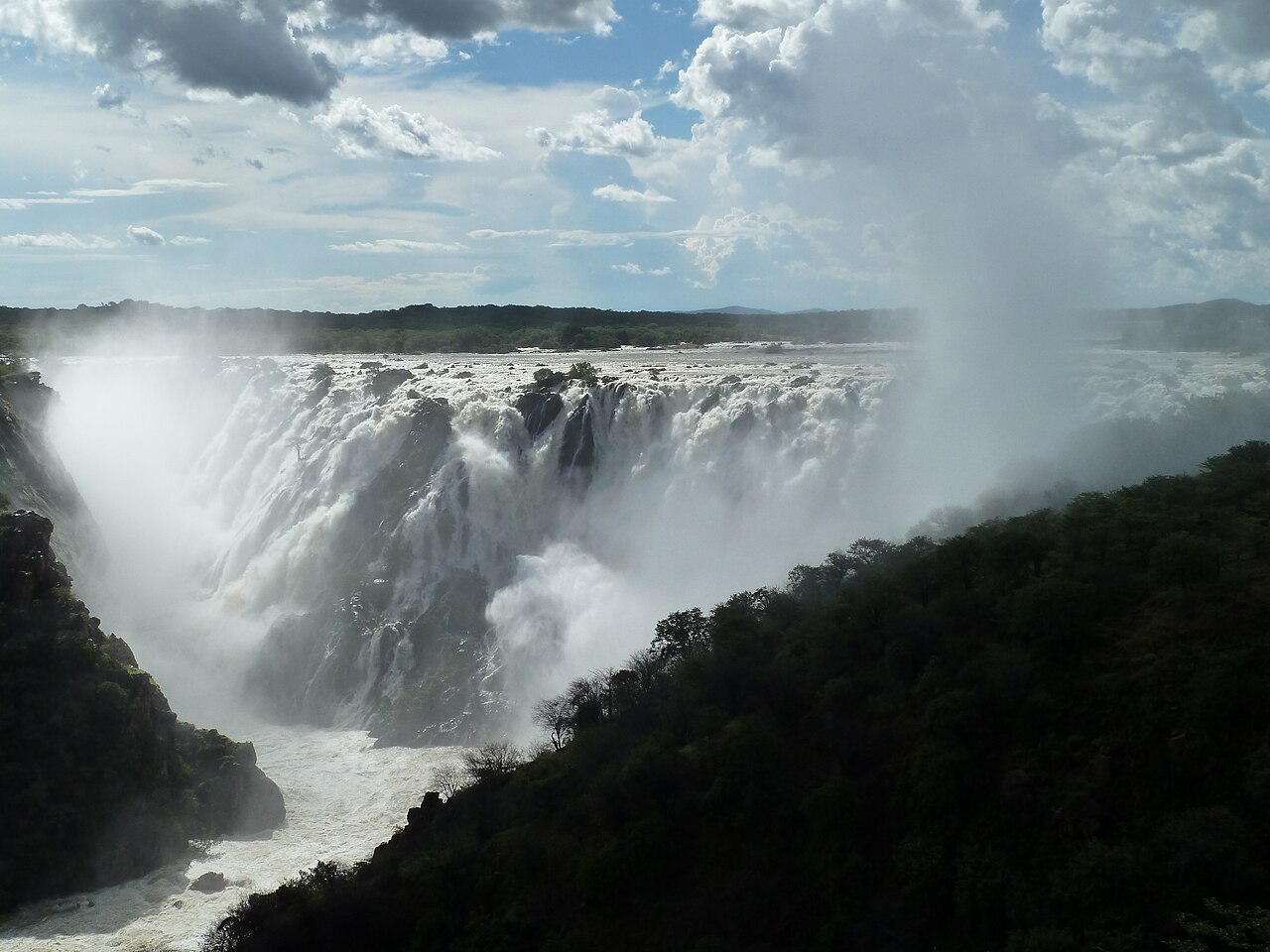
The Baynes project would dam the Kunene River, which marks part of the border, and is estimated to cost N$25 billion (about US$1.5 billion). It is meant to serve both countries and the wider Southern African Development Community, the 16-nation regional bloc.
The Cafu canal is a water scheme in southern Angola that Namibia would like to extend across the border. The two sides list energy, transport, agriculture and water security as their priority sectors.
Why Trade Between the Neighbours Is Weak
Jerobeam Shaanika, a senior official in Namibia’s foreign ministry, told a meeting of senior officials that trade remains below its potential. NBC reported that trade between the two countries has fallen, without giving figures.
Angola’s foreign minister, Tete António, said more than 60 legal instruments already support the Namibia Angola talks and wider cooperation. He described the hydropower plan as a cross-border project meant to widen electricity supply across the region.
Border Post and Business Forum
A one-stop border post lets travellers and lorries clear both countries’ checks in one place, instead of stopping twice. NBC reported that a draft agreement for one at Oshikango, and a trade pact, were due for signing at the summit.
On the same Monday, a business forum gave Namibian firms a chance to meet Angolan buyers and partners. The Namibian authorities said 95 Namibian companies had shown interest in the forum.
A Wreath for Angola’s First President
Before the talks, Nandi-Ndaitwah laid a wreath at the memorial of Agostinho Neto, Angola’s first president, RNA, Angola’s state radio, reported on Monday. She bowed before his tomb and toured the memorial.
The gesture underlined the shared liberation history that Presidency spokesman Jonas Mbambo cited. He added that both nations must now focus on their people’s economic problems, according to NBC.
What It Means for US Readers
Foreign banks, engineers and freight firms could find contracts if the Baynes plant, the power link and the border post move from talks to tenders. Namibia’s stable politics and its offshore oil search, described in our Namibia explainer, make it a market that American investors already follow.
Angola is a major oil producer, and our Angola guide explains its place in regional politics. A smoother crossing at Oshikango would also cut delays for overland travellers and for trucks moving goods between the two countries.
What Is Not Known
The results of the 19 October summit have not been published, including whether the border post agreement and the trade agreement were signed. No building start date or financing plan has been given for the Baynes plant or the power link.
No figures on the fall in trade between the two countries have been published. The cost and timetable of the Oshikango border post are also not public.
More: Namibia news in English, every day from The Rio Times.
Frequently Asked Questions
What are the Namibia Angola talks?
The Namibia Angola talks run through a standing body, co-chaired by the two presidents, that reviews cooperation between the neighbours. It was created by an agreement signed on 14 July 2019 and held its first session on Monday 19 October 2026.
Who leads the two countries?
Netumbo Nandi-Ndaitwah is president of Namibia and a member of the Swapo party. João Lourenço is president of Angola and leads the MPLA party.
What projects are being discussed?
The Namibia Angola talks include the Baynes hydropower plant, a power interconnector, a one-stop border post at Oshikango and a rail extension. Namibia also wants to explore extending Angola’s Cafu canal.
How much would the Baynes hydropower project cost?
NBC reported an estimated investment of N$25 billion (about US$1.5 billion at 16.43 Namibian dollars to the US dollar on 19 October 2026). No financing plan has been announced.
Why does this matter to US readers?
The projects will need lenders, engineers and freight firms, and Namibia is a growing oil and minerals market. A better border crossing also helps trade and overland travel between the two countries after the talks.
Sources: APA News (Windhoek, citing Namibia’s foreign ministry), 15 October 2026; The Namibian, 15 October 2026; NBC News (Namibian Broadcasting Corporation), 18 October 2026; NBC News (Namibian Broadcasting Corporation), 18 October 2026; NBC News (Namibian Broadcasting Corporation), 18 October 2026; RNA, Rádio Nacional de Angola, 19 October 2026.
This article was produced by The Rio Times’ automated newsroom system. How we use AI · Report an error · Editorial responsibility: Matthias Camenzind, Editor-in-Chief
LatAm Markets: Live Signals → — real-time movers, turnover leaders and FX across Latin America.