
VENEZUELA · OIL
On the day a US war secretary walked into Caracas for the first time, the oilman standing beside him did the arithmetic out loud. Alejandro Betancourt, the Venezuelan businessman who runs North American Blue Energy Partners (NABEP), told reporters on Wednesday, Nov. 18, 2026, that his company will pass 250,000 barrels a day by the end of the year.
NABEP is the operator that the United States backed in August, and it is a leading example of how the Venezuela US tensions of past years are giving way to deals. Betancourt spoke at the US Embassy in Caracas on the day Pete Hegseth, the US Secretary of War (the renamed defense secretary), announced a military cooperation deal with Caracas.
Key Facts
- What: NABEP expects to pass 250,000 barrels a day by year-end, up from about 230,000 now.
- Who: North American Blue Energy Partners, the US-backed operator run by Alejandro Betancourt.
- Next: Year-end checkpoint: PDVSA, the state oil firm, aims for 1.3 million barrels nationwide.
- US stake: Washington has rights to 35% of the parent company, plus preferential access to crude.
- Prediction markets: Polymarket, a betting market, puts a Venezuelan vote date by Dec. 31 at 16.5% (4:04 p.m. ET).
This story is part of our coverage of the venezuela us tensions. Dates, times and how to follow it are in our guide.
By its own count, one US-backed company now pumps nearly a fifth of Venezuela’s oil, and it says the number is still climbing.
In plain English
Venezuela holds some of the world’s largest oil reserves but has pumped far less than it could for years. After the US captured former ruler Nicolás Maduro in January, Washington struck a deal that lets one US-backed company develop 17 fields, and that company now says it is speeding up.
What Betancourt Said in Caracas
“This month we are finishing at around 230,000 barrels a day,” Betancourt said. The first reports appeared around 3:30 p.m. ET (4:30 p.m. Caracas); a separate interview published on Nov. 17 put current output nearer 225,000.
Both figures are the company’s own, and it counts barrels of oil equivalent. Most of the oil still comes from the west, about 160,000 to 170,000 barrels a day in traditional fields such as Petrozamora, a joint venture near Lake Maracaibo.
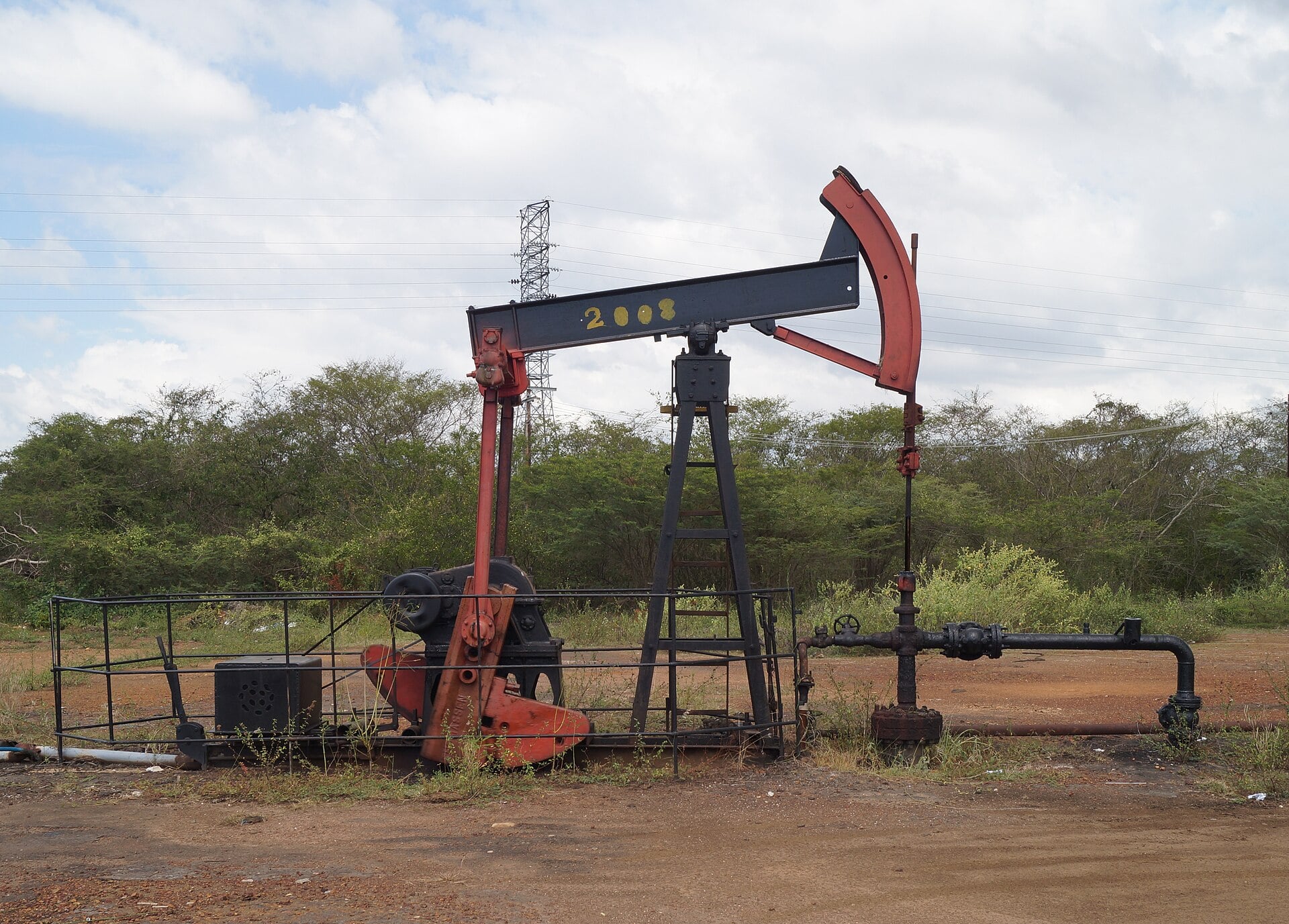
In the east, in the Orinoco Belt, a vast strip of extra-heavy crude, NABEP produces more than 70,000 barrels a day from the Junín Sur, Junín 10 and Zuata 2 blocks, which are licensed oil fields. Production is also starting at Ayacucho 6.
Why Is the US Behind This Company?
NABEP operates under an agreement dated Aug. 28 that covers 17 fields and more than 20% of Venezuela‘s oil reserves. The fields are estimated to hold 65 billion barrels, with planned investment of up to about US$100 billion.
Reports say Washington has rights to 35% of NABEP’s parent company and preferential access to its crude, though one account says it holds 35% of NABEP itself. The agreement’s text has not been published, so the exact terms are unclear.
Several of the 17 fields are still “green,” meaning undeveloped, with no infrastructure. Betancourt said rigs are arriving from abroad, mainly the United States, and that building the infrastructure will take about 24 months.
How Big Is This Next to the Whole Country?
PDVSA, Venezuela’s state oil company, said its president, Héctor Obregón, expects national output to close the year at 1.3 million barrels a day, after 1.22 million in October. Against October, NABEP’s 225,000 to 230,000 barrels equal about 18% to 19%.
Reaching 250,000 would add roughly 9% to 11% in six weeks. On Monday, Nov. 16, Betancourt also said NABEP will take control of Petrocedeño this month.
It is an Orinoco plant that upgrades extra-heavy crude into lighter oil, badly damaged by a fire in November 2025.
What It Means for US Readers
For American investors, the exposure is political as much as commercial: NABEP’s growth rests on a US-brokered deal that is still unpublished, in a country where power is rationed up to eight hours a day in some regions. Betancourt said NABEP generates its own electricity in the west and feeds any surplus to the national grid.
What Prediction Markets Say
Polymarket, a crypto-based prediction market, prices a Venezuelan presidential election being scheduled by Dec. 31, 2026 at about 16.5% (about US$173,000 traded on this contract, 4:04 p.m. ET, Nov. 18). It is a bet on politics, not oil.
Why we show this: prediction markets turn real-money bets into a live probability that moves within minutes of the news, which is why investors, campaigns and newsrooms in the United States now follow them closely. We show them next to polls and official results, never instead of them.
What Is Not Known
The 250,000 target is Betancourt’s own projection, and no independent audit of NABEP’s output has been published. The company’s figures count barrels of oil equivalent, while PDVSA’s national numbers count crude, so the 18% to 19% comparison is rough.
It is also unclear how much of the extra output will reach US refiners.
What Comes Next
The next checkpoints are the Petrocedeño handover, promised for November, and PDVSA’s year-end output figure, due after Dec. 31. A shortfall against 250,000 by early January would show whether the target was realistic.
Frequently Asked Questions
What did NABEP say about its oil output?
Its director, Alejandro Betancourt, said the company expects to end 2026 above 250,000 barrels a day, up from about 225,000 to 230,000 this month. It is the company’s own projection, not audited output.
What is the US role in NABEP?
NABEP runs 17 Venezuelan fields under an agreement with the United States dated Aug. 28. Washington holds 35% of the company or has rights to 35% of its parent, depending on the report.
Sources: statements by NABEP director Alejandro Betancourt; PDVSA output figures cited by its president; Polymarket.
This article was produced by The Rio Times’ automated AI newsroom. Editorial responsibility: Matthias Camenzind, Publisher and Editor-in-Chief. The Rio Times also runs Ask Rio Times, which answers from 100,000+ of our own articles, the daily Latin America Power Map, and prediction-market odds on elections and markets.. How we use AI · Report an error
Venezuela and the United States
- What Is Going On Between Venezuela and the United States?
- What Is Going On Between Venezuela and the United States?
- Venezuela Geopolitics Explained, US Now Runs Its Oil
- Venezuela Politics 2026, Who Holds Power After Maduro