TUNISIA · EXPATS & NOMADS
Key Facts
- Entry US, UK and Canadian citizens enter without a visa for up to 90 days, say their governments.
- Residence Stays beyond 90 days need a residence card from Tunisia’s Interior Ministry.
- Cost No official card fee is confirmed; US$1 equals 3.0107 Tunisian dinars on 2 November 2026.
- Health Foreigners get no free care, and private clinics ask for payment on the spot.
- Biggest trap Overstaying the 90 days brings a fine, so start your residence file early.
Moving to Tunisia begins with visa-free entry of up to 90 days for US, UK and Canadian citizens, as of Monday 2 November 2026. To stay longer you need a residence card from the Interior Ministry, which controls the stay of foreigners.
Tunisia is a North African country of 11,992,843 people on 1 January 2026, according to INS, its national statistics institute. This guide takes a US reader through entry, residence, money, health, tax, driving and safety, and names what is still unconfirmed.

Moving to Tunisia, Step 1: Entry and the 90-Day Clock
The US State Department and the British and Canadian governments say their citizens can enter without a visa for stays of around 90 days. France tells its citizens three months, and other nationalities should ask the nearest Tunisian embassy.
Canada says the passport must be valid for at least six months beyond your planned departure. The British government says it must cover the whole stay, so the safe course is six months.
The 90 days start at the border stamp, so keep a photo of the stamped page. The British government warns that overstaying without a valid reason means a fine.
Canada tells people planning a longer stay to contact a Tunisian embassy or consulate before leaving home. A traveller already in Tunisia should go to a police station or the Interior Ministry.
Step 2: Find a Home Before You Commit
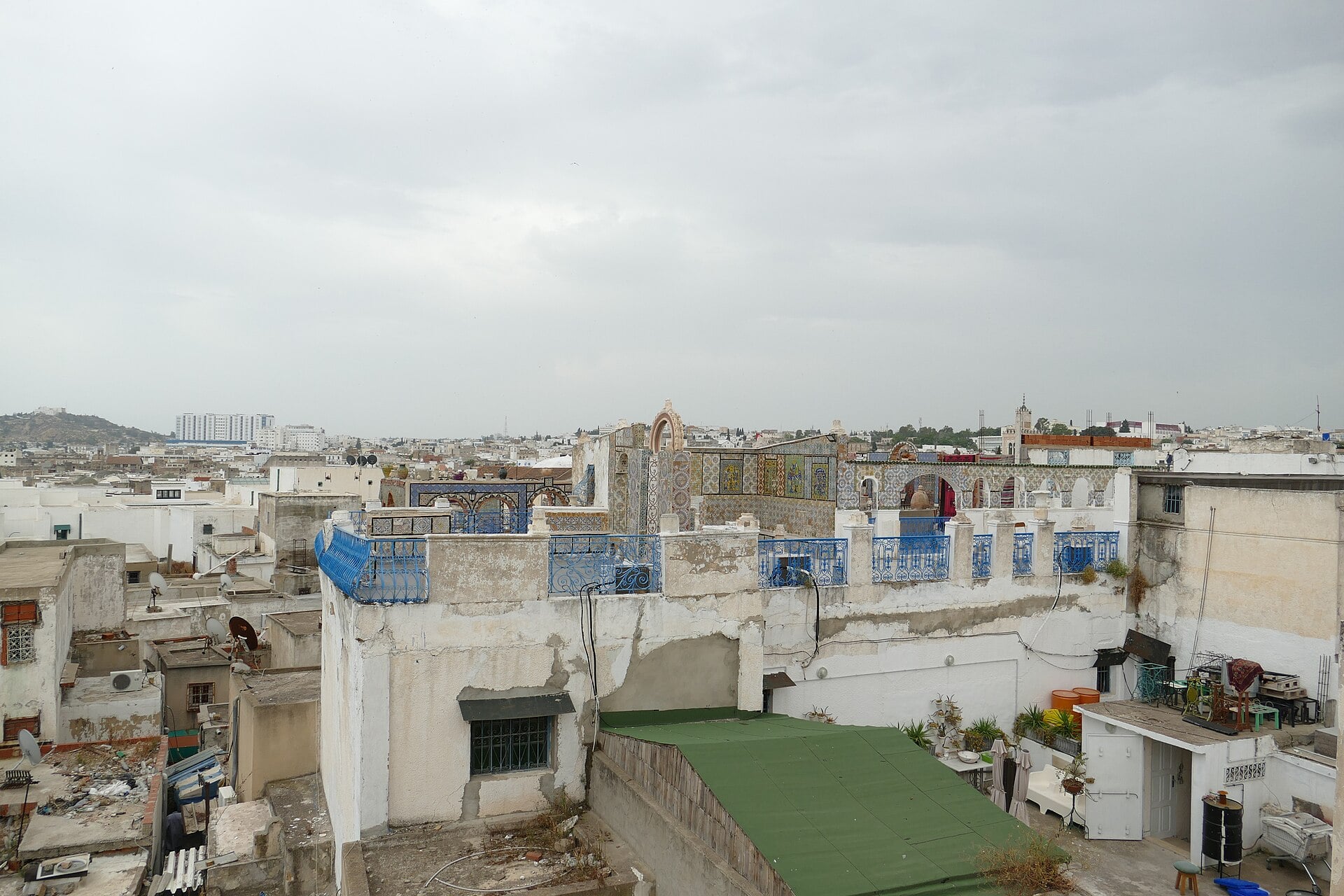
Rent a furnished place for the first month and sign a long lease only after you know the neighbourhood. The old medina of Tunis, the coastal suburbs and the newer districts suit very different budgets.
Our Tunis cost-of-living guide puts rents next to wages and lists the districts expats choose. Lease registration rules and deposit limits are not confirmed here, so ask the landlord for a written, signed contract.
A written lease also protects you in a dispute over rent or the deposit. Keep the signed contract and every rent receipt in one folder.
Step 3: Apply for a Residence Card
France tells its citizens that beyond three months a visa and a residence card must be obtained from the Interior Ministry. The residence card is called the carte de séjour in French.
Canada points to the same ministry and to the local police station for people already in the country. File your papers in the first weeks, not in week eleven.
Fees, the list of documents and the processing time for each category are not published in the government advice we can confirm. Ask the security office for the current stamp amounts and get every receipt stamped.
No visa made for digital nomads or retirees is confirmed. Remote workers and retirees apply through an ordinary residence category, and the office decides which one fits.
Tunisia’s embassy in your home country is the right first stop for a long stay. The British government also sends residence questions to the Tunisian Embassy in the UK.
Step 4: Money, Banking and Cash
Tunisian dinars cannot be taken out of the country, say the British and Canadian governments, and Canada adds that importing them is prohibited. Spend or re-exchange your dinars before you leave.
Foreign cash may need a declaration on arrival, and an undeclared amount can be confiscated. Keep the declaration papers and every official exchange receipt, as the British government advises.
The declaration thresholds are worded differently across government pages, so ask customs for the current figure before you fly. The Central Bank of Tunisia, called BCT, publishes the official daily rates.
BCT listed US$1 at 3.0078 dinars on Friday 30 October 2026, and this guide converts at 3.0107 dinars on Monday 2 November 2026. Card payments work mainly in hotels and tourist centres, says the French government, so carry some dinars.
Which accounts a foreign resident may open, and the documents a bank asks for, are not confirmed here. Ask two banks in writing before you move savings.
Step 5: Health Cover and Insurance
The British government says there is no provision for free medical attention for foreign nationals in Tunisia. Private clinics ask for payment for fees, medicine and treatment on the spot, sometimes before treatment begins.
Canada gives the same warning and says hospitals may ask for a deposit. Both governments tell travellers to hold insurance that covers hospital stays and medical evacuation.
The ambulance number is 190, and the police numbers are 193 and 197, says Canada. Check the plan’s rules for pre-existing conditions before you pay.
Whether a foreign resident can join Tunisia’s public health fund is not confirmed here. Plan on private insurance for the first year.
Step 6: Tax, Including What US Citizens Still Owe
US citizens living abroad must still file a US return and report worldwide income, says the IRS, the US tax agency. Citizens living overseas get an automatic extension from 15 April to 15 June for a calendar-year return.
Tunisia taxes people who count as residents, and the rules and rates are set in its income tax code. They are not confirmed here, so get a written answer from the local tax office or an accountant.
Ask that accountant about the tax treaty between your home country and Tunisia before you sign a work contract. Do this before the first payslip, because refunds are slow.
Step 7: Driving and Getting Around
British drivers can drive for up to one year on a UK licence plus a 1968 International Driving Permit. A green card proves minimum insurance, and Canada advises an International Driving Permit too.
Road accidents are rising, Canada says, mainly from speeding, sudden lane changes, drink driving and poor lighting. Both governments advise against night driving outside towns, where roads are unlit and livestock wander.
Police often stop cars, especially rental cars, so carry your passport copy and licence. Fill the tank before a trip to a remote area.
The process to swap a foreign licence for a Tunisian one is not confirmed here. Ask the local licensing office what it needs before your permit year runs out.
Safety in Tunisia: What Governments Advise
Canada tells travellers to exercise a high degree of caution because of the countrywide risk of terrorism. The British government advises against all travel to parts of western and southern Tunisia near the Algerian and Libyan borders.
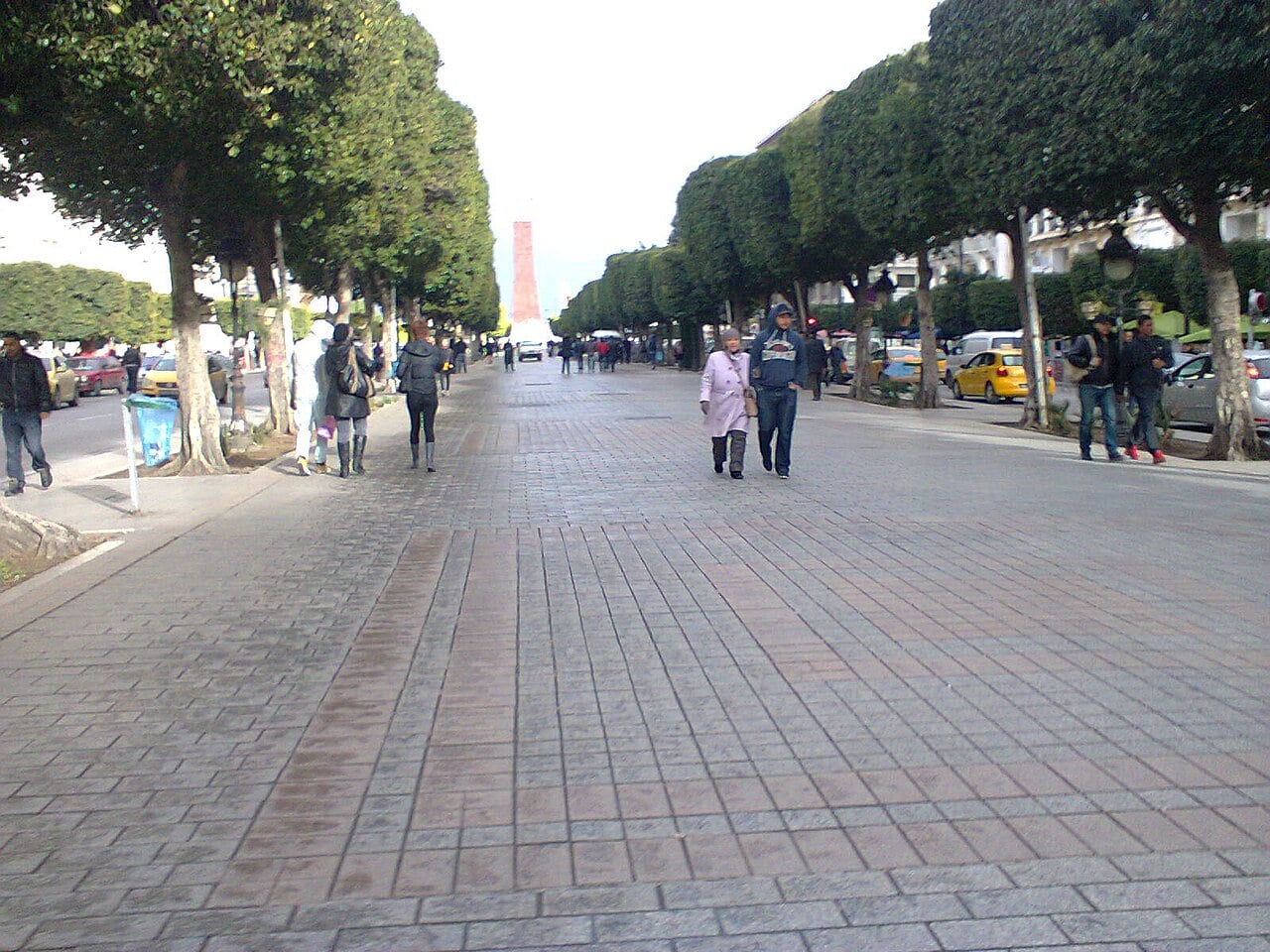
Canada lists Kasserine governorate, plus 20 kilometres along the Algerian border and 30 along the Libyan border, as areas to avoid. Tunis and the capital’s coastal suburbs are outside those zones.
Theft is the most common problem, says the British government, and Canada reports more burglaries and muggings, particularly in Tunis. Avoid showing valuables and avoid walking alone after dark.
Same-sex sexual activity is illegal, with prison terms of six months to three years, according to Canada. Drug penalties are severe, and Canada says they reach up to life in prison.
Foreigners should carry a copy of the passport photo page, because officials may ask for identification at any time, says the British government. Do not photograph government buildings or military sites.
What It Costs in 2026
INS, the national statistics institute, put inflation at 5.6% for September 2026 in a release of Monday 5 October 2026. At that pace rents and bills can rise within a lease year, so budget a margin on top of any quote.
INS also shows unemployment of 14.9% and growth of 2.3% for the second quarter of 2026. Jobs are scarce, so a foreigner needs a work contract in hand or an income from abroad.
The official card fee, rent, school fees and clinic prices are not confirmed in government sources. Our cost-of-living guide and economy guide give the market picture.
The dinar moves against the dollar, and a monthly budget of US$1,000 buys about 3,011 dinars at the 2 November rate. Keep savings in the currency you earn, and convert as bills fall due.
Your First 90 Days Checklist
This is our own sequence, not an official list, so check each step with the office named above. Days 1 to 7: enter on a valid passport and photograph the entry stamp.
Weeks 1 to 4: sign a lease and keep the receipts, then buy health insurance. Weeks 2 to 6: file the residence application at the local security office.
Month 2: open a bank account and register with your embassy. Month 2 to 3: ask the licensing office about a driving licence swap.
Before day 90: hold at least a receipt for your residence application. That paper protects you from the overstay fine.
What It Means for You
For a US reader, Tunisia is easy to enter and harder to settle in, because the paperwork starts after you land. The cost of a long stay depends on the residence category and on insurance, which you must buy yourself.
Read the safety advice for your region before you choose a town. Our Tunisia explainer and the Tunisia hub cover the politics and the economy behind the rules.
What Is Not Known
The current fee and processing time for the residence card are not published in the government advice we can confirm. The same is true of the document list for each category, the rent-lease rules and the licence swap.
Tunisia’s tax rates for foreign residents, the account types open to a foreign resident and the cash declaration thresholds are also not confirmed. Ask the named office in writing before you rely on any figure.
More: Tunisia news in English, every day from The Rio Times.
Frequently Asked Questions
Do I need a visa for moving to Tunisia?
US, UK and Canadian citizens can enter without a visa for up to 90 days, say their governments. A longer stay needs a residence card from the Interior Ministry.
When must I apply for a residence card?
France says that beyond three months a visa and a residence card are needed. Canada tells people already in Tunisia to go to a police station or the Interior Ministry.
Is health care free for foreigners in Tunisia?
No. The British government says there is no free medical attention for foreign nationals, and private clinics want payment on the spot. Buy insurance with hospital and evacuation cover.
Can I bring dinars into Tunisia?
No. Canada says importing or exporting Tunisian dinars is prohibited, and the British government says they cannot leave the country. Foreign currency may need a declaration, so keep your receipts.
Do US citizens still pay US tax in Tunisia?
Yes, the IRS says US citizens abroad must file a US return and report worldwide income. Those living overseas get an automatic extension to 15 June.
Is Tunisia safe for expats?
Canada urges a high degree of caution, and the British government advises against travel near the Algerian and Libyan borders. Tunis is outside those zones.
Sources: UK Foreign Office, Tunisia entry requirements, update of 24 July 2026; UK Foreign Office, Tunisia health, update of 24 July 2026; UK Foreign Office, Tunisia safety and security, update of 24 July 2026; US State Department, Tunisia country information, read 2 November 2026; Government of Canada, Tunisia travel advice, 26 May 2026; French Foreign Ministry, Tunisia travel advice, read 2 November 2026; INS, Tunisia’s national statistics institute, 2 November 2026; Central Bank of Tunisia, daily exchange rates, 30 October 2026; US Internal Revenue Service, citizens abroad, read 2 November 2026.
This article was produced by The Rio Times’ automated newsroom system. How we use AI · Report an error · Editorial responsibility: Matthias Camenzind, Editor-in-Chief
Expat Guide to Tunisia
What The Rio Times publishes for foreigners who live in or move to Tunisia.
Start here
Understand Tunisia