
TUNISIA · CRIME
Key Facts
- —The country Tunisia is a North African country on the Mediterranean, between Algeria and Libya, led by President Kais Saied.
- —What happened On Tuesday 20 October 2026, Tunisia’s national police announced the break-up of a network suspected of laundering gold and evading tax.
- —The arrests 13 people are in police custody on suspicion of criminal conspiracy, forgery and organized money laundering.
- —The scheme Police say shell companies and craftsmen’s purchase registers were used over six years to push gold of unknown origin into legal trade.
- —The seizure Police seized more than 70 kilograms of gold, 4.5 kilograms of silver, over 120,000 dinars (about US$40,000) in cash and nine luxury cars.
- —The cars The nine luxury cars are valued at about 25 million Tunisian dinars (about US$8.3 million).
- —Still open The suspects’ names, the court’s next step and where the gold came from.
Police in Tunis have broken up a Tunisia gold laundering network and hold 13 suspects, the national police said on Tuesday 20 October 2026. Officers say jewelry traders and workshop owners moved nearly two tonnes of gold of unknown origin into the legal market over six years.
The Tunisia gold laundering case matters to anyone who buys gold jewelry in Tunisia or lends to its banks. Police say the profits were hidden in property, land and luxury goods, a pattern that banks and regulators watch closely.
What Police Say They Found
The economic and financial crimes unit of the judicial police, based in El Gorjani in Tunis, led the investigation. It reports to the national police, known by its French initials DGSN, which is Tunisia’s national police service under the Interior Ministry.
Investigators watched the trade in gold meant for smelting and found jewelry traders and workshop owners at the center. Kapitalis, a Tunis news site, carried the national police statement on Tuesday.
How the Alleged Scheme Worked
Police say the group set up shell companies, which are firms that exist on paper only, to give the gold a paper trail. They also allegedly misused the supply registers of several craftsmen to avoid tax and to pass gold of unknown origin into legal trade.
Over six years the Tunisia gold laundering network allegedly washed nearly two tonnes of gold for smelting, about 64,000 troy ounces. The profits went into real estate, land purchases and luxury goods, police said.
The Arrests and the Seizure
The 13 suspects are held on suspicion of criminal conspiracy, forgery and use of forged documents, and money laundering by an organized group. Police custody is the first stage, after which a prosecutor decides whether suspects go before an investigating judge.
In the Tunisia gold laundering case, officers seized over 70 kilograms of gold, about 2,250 troy ounces, and 4.5 kilograms of silver. They also took more than 120,000 Tunisian dinars (about US$40,000) in cash and nine luxury cars.
Police put the nine cars at about 25 million dinars (about US$8.3 million), at 2.9959 dinars to the dollar on 21 October 2026. That estimate covers the vehicles, not the gold.
Tunisia’s Fight Against Dirty Money
Tunisia scored 4.75 out of 10 in the 2025 Basel AML Index, ranking 119th of 177 countries, where a lower score means lower risk. The index comes from the Basel Institute on Governance, a Swiss group that tracks laundering risk, Webdo reported in December 2025.
Webdo added that courts had recently handed sentences of up to 35 years to members of a transnational laundering network. The Tunisia gold laundering case follows that line of cases against organized financial crime.
What It Means for US Readers
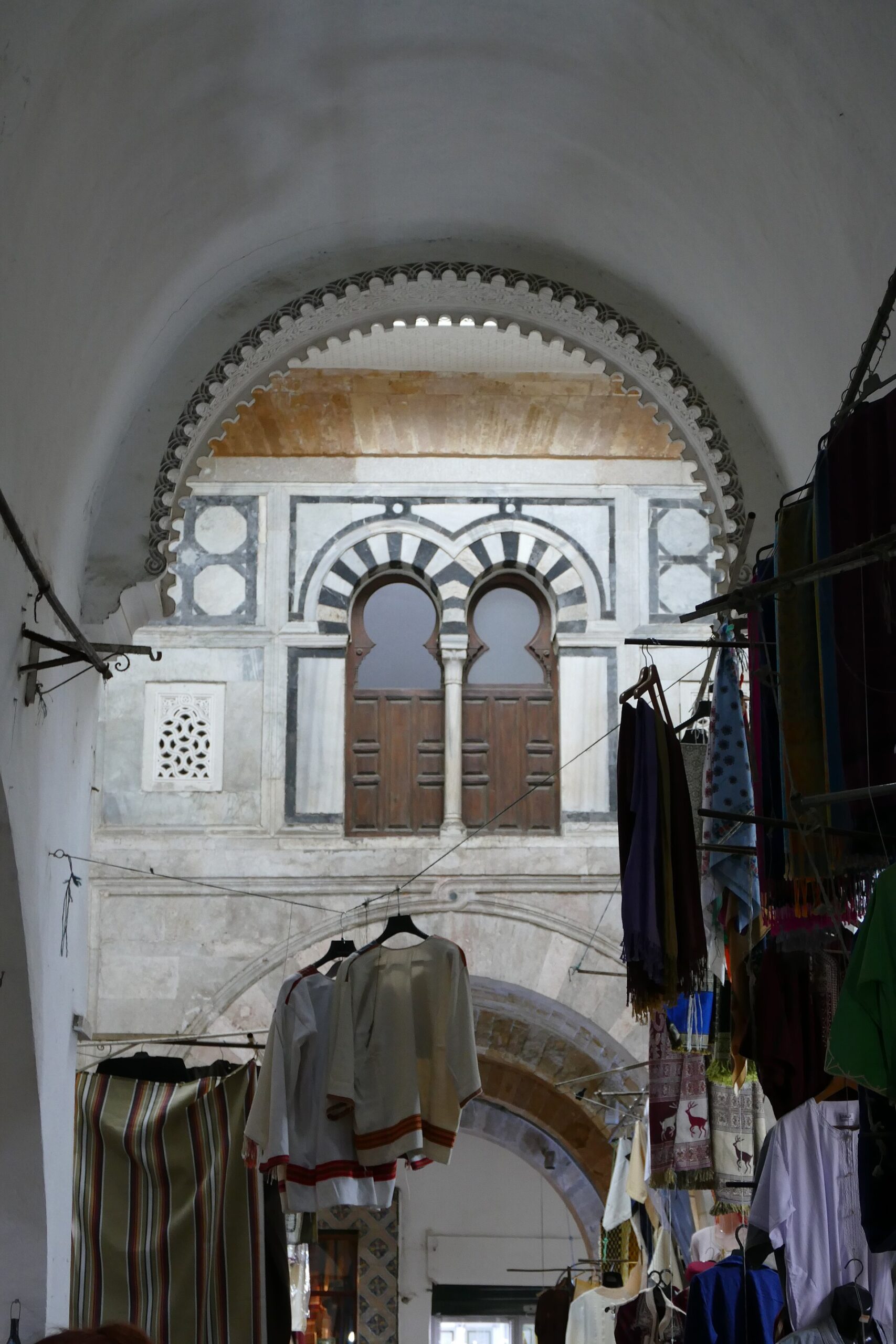
Travelers who buy gold jewelry in Tunisia, including in the Tunis medina, should ask for an itemized receipt from a registered shop. Each dinar is worth about US$0.33, so the cash seized equals roughly US$40,000.
US banks and traders that deal with Tunisian jewelers or refiners may need to check how their suppliers document their gold. The case also adds to the picture of a state under financial strain, which the central bank described in its 7 October rate decision.
What Is Not Known
Police have not named the 13 suspects, their shops or workshops, or the cities where they were arrested. It is open whether a prosecutor has filed charges or an investigating judge has ordered detention.
The origin of the gold has not been stated, and neither has the amount of tax the state says it lost. The facts remain subject to the investigation and to court decisions, and the suspects are presumed innocent.
More: Tunisia news in English, every day from The Rio Times.
Frequently Asked Questions
How many people were arrested in the Tunisia gold laundering case?
Thirteen people were placed in police custody in the Tunisia gold laundering case, police said on Tuesday 20 October 2026. They are suspected of criminal conspiracy, forgery and organized money laundering.
How much gold did police seize in the Tunisia gold laundering case?
Police seized more than 70 kilograms of gold, about 2,250 troy ounces, and 4.5 kilograms of silver. They also took more than 120,000 Tunisian dinars (about US$40,000) in cash and nine luxury cars.
What do the cars seized in the case add up to?
Police estimate the nine luxury cars at about 25 million Tunisian dinars (about US$8.3 million). That figure covers the cars, not the gold.
Are the 13 suspects guilty?
No, they are held on suspicion and presumed innocent. The facts depend on the investigation and on court decisions.
Why does the case matter to foreign buyers and banks?
Police describe fake supply records that made gold of unknown origin look legal, a risk for anyone who buys or finances it. Foreign firms dealing with Tunisian jewelers may need stronger checks.
Sources: Kapitalis, une affaire de trafic d’or à Tunis (communiqué de la sûreté nationale), 20 October 2026; Webdo, plus de 70 kilos d’or saisis dans une enquête sur le blanchiment, 20 October 2026; Webdo, blanchiment d’argent, la Tunisie améliore son classement mondial, 16 December 2025.
This article was produced by The Rio Times’ automated newsroom system. How we use AI · Report an error · Editorial responsibility: Matthias Camenzind, Editor-in-Chief