Argentine President Javier Milei attended the Conservative Political Action Conference (CPAC) in Brazil.
He avoided direct criticism of Brazilian President Luiz Inácio Lula da Silva. Instead, Milei condemned socialist governments across Latin America.
During his 20-minute speech, he labeled Venezuela’s Maduro regime a dictatorship and described Bolivia’s military attack as a “self-coup.”
Despite his cautious approach at CPAC, Milei’s past provocations have strained relations with Brazil.
Previously, he called Lula a “perfect dinosaur idiot” on social media. This prompted Brazil to consider withdrawing its ambassador from Buenos Aires if such talk continued.
This tension set a charged atmosphere for Milei’s CPAC participation, an event attended by right-wing supporters, including former Brazilian President Jair Bolsonaro.
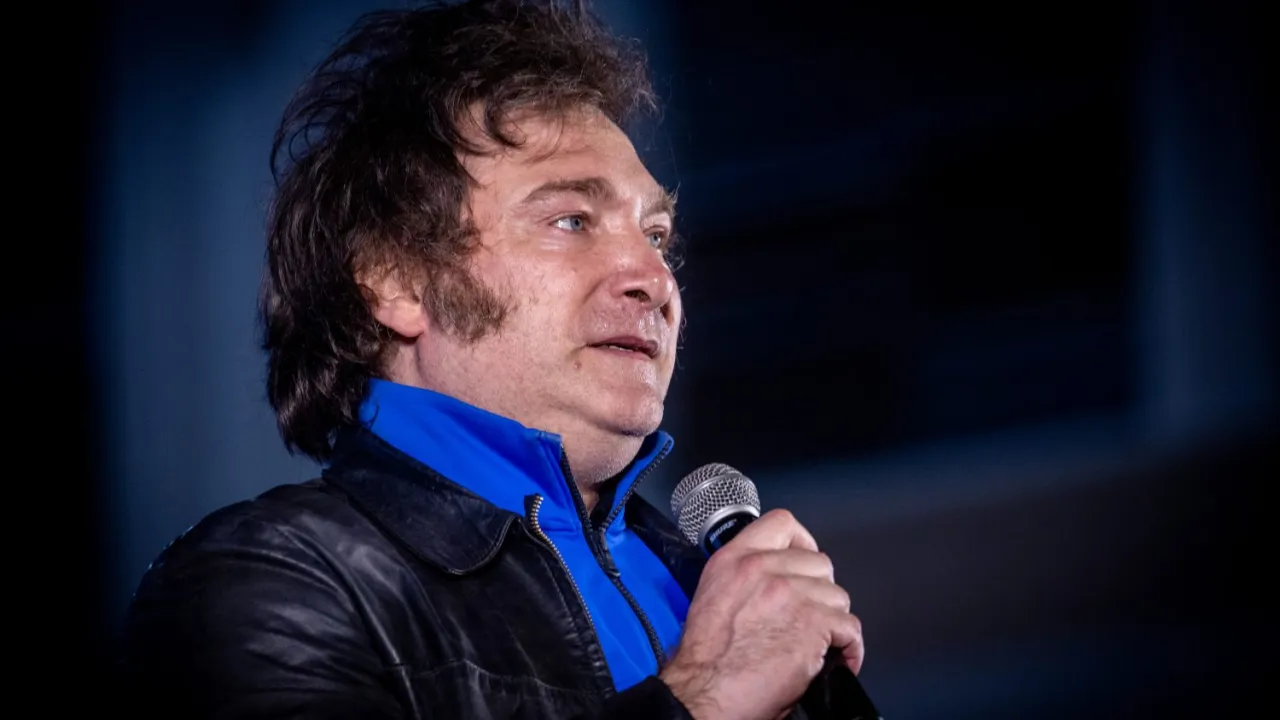
Milei’s presence at CPAC, greeted with anti-Lula chants, showcased his libertarian policies in Argentina. He criticized socialist governance in Latin America.
Reiterating Bolsonaro’s slogan, “God, country, and family,” Milei stressed justice should enable individuals to benefit from their labor. He criticized 21st-century socialism for favoring the powerful.
Milei’s Calculated Moves at CPAC Brazil Amidst Lula Tensions
Milei’s visit to Brazil signifies a broader strategy to align with global right-wing movements.
This strategy has already impacted Argentina’s diplomatic relations, notably with Spain after Milei’s support for the conservative Vox party.
In Brazil, Milei’s alignment with Bolsonaro’s supporters highlights his role in rallying right-wing factions against Lula.
Amidst this political maneuvering, economic ties between Argentina and Brazil have remained strong. Ongoing discussions about gas imports and infrastructure projects continue.
However, Milei’s absence from the upcoming Mercosur summit in Paraguay and his confrontational tactics risk these essential relationships.
The Brazilian government remains watchful, contemplating diplomatic responses to Milei’s provocations.
Although recalling the ambassador is unlikely, the consideration itself indicates the potential for escalating tensions between South America’s largest economies.
This narrative underscores the delicate balance Milei maintains in his foreign policy, reflecting broader geopolitical shifts and internal political calculations.
More: Argentina news in English, every day from The Rio Times.
This article was produced by The Rio Times’ automated newsroom system. How we use AI · Report an error
In depth
Read More from The Rio Times