
MEXICO · POLITICS
Key Facts
- The country Mexico, Latin America’s second-largest economy, runs its elections through the National Electoral Institute (INE).
- What happened Workers at INE voter card offices in 20 states stopped work on Monday 9 November 2026 over pay.
- The deal The INE announced a deal that evening; offices were due to reopen on Tuesday 10 November.
- The money Workers asked for about US$1,030 a month; talks start from a 6% rise.
- Power Index Mexico ranks 2nd of 14 in The Rio Times Latin America Power Index, with 70.8 points (November 2026 edition).
Mexicans who needed a voter card on Monday 9 November 2026 found many counters shut, after staff at the National Electoral Institute (INE) walked out over pay. By evening the institute said it had a deal with the workers, and its offices were due to reopen on Tuesday 10 November.
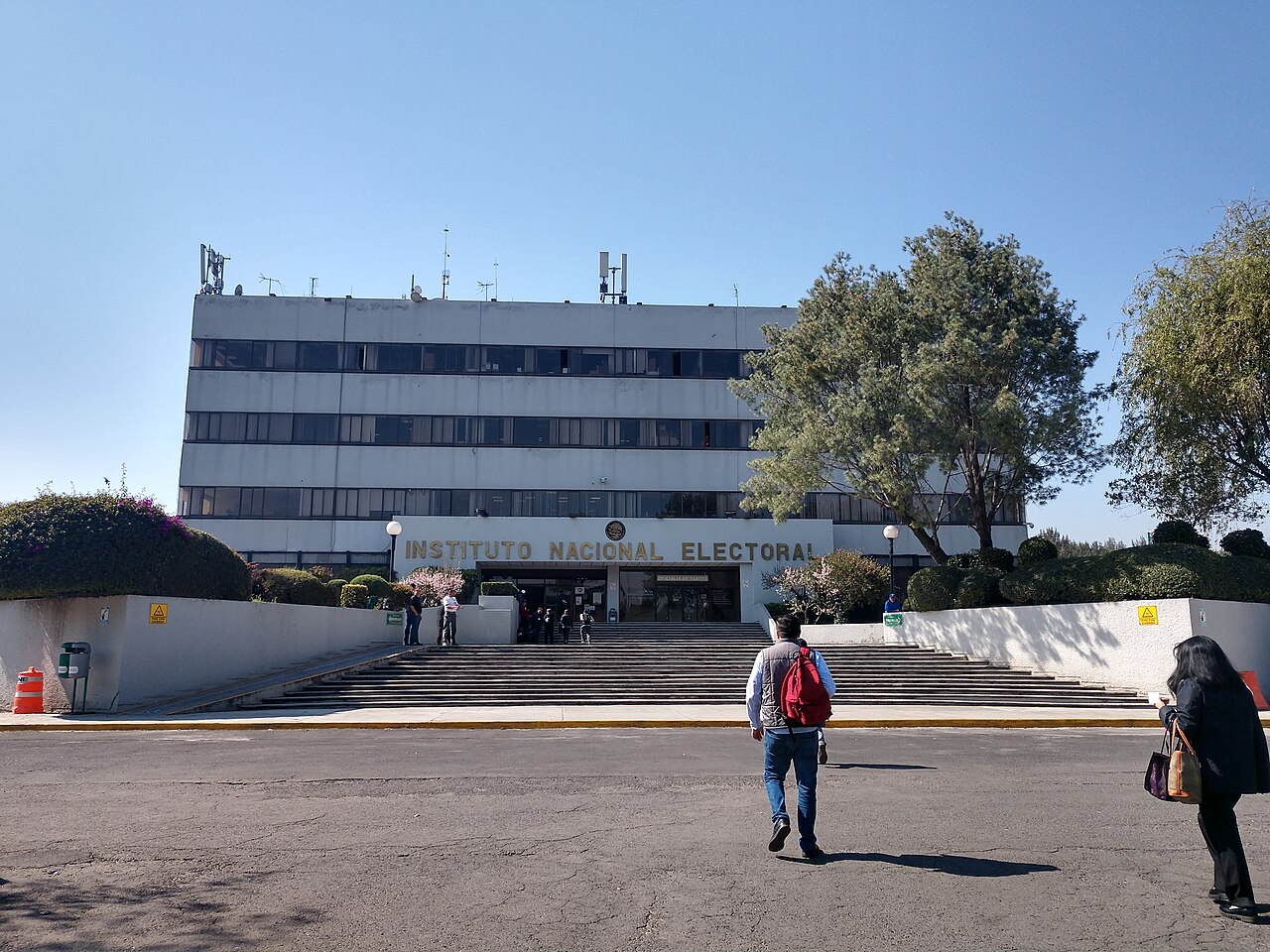
The voter card is the photo ID most Mexicans carry, so the stoppage touched daily life far beyond elections. For US readers, it is a sign of the strain inside the agency that runs Mexico’s vote, already led by an interim president after a leadership crisis, and our earlier report on the planned strike set out the background.
In plain English: The INE is Mexico’s independent election agency. Its Citizen Service Modules are the walk-in offices where citizens apply for or replace the voter card.
What Happened
Staff at the institute’s Citizen Service Modules, its walk-in offices for voter cards, stopped work on Monday in at least 20 states. Protesters also gathered outside the INE headquarters in Mexico City.
The institute counted 544 of its 841 offices fully closed and 297 working only in part, said Carla Humphrey, a member of its General Council. Édgar Fernández, a worker representative, put the share hit at 80% to 95%, which is the workers’ estimate.
Local officials of the institute’s Federal Voters Registry, the unit that keeps the voter roll, described two states. In Baja California, on the US border, 17 of 19 offices were fully shut, including those in Mexicali, Tijuana and Tecate; in Morelos, near Mexico City, 10 of 11 stopped serving the public, while the Cuautla office worked partly.
What the Workers Wanted
The workers demanded a raise of about 100%, which would lift take-home pay from roughly 9,600 pesos (about US$520) a month to more than 19,000 pesos (about US$1,030). Conversions use 18.51 pesos per US dollar, the rate from the market-data provider RT on 10 November 2026.
An official in Morelos said gross pay is above 12,622 pesos (about US$680), but net pay is about 9,500 pesos (about US$510). The workers also asked for stable contracts, regular weekday hours, equal holidays, and new computers and biometric devices.
How the Deal Came Together
A delegation of workers met the institute’s interim president, Blanca Cruz, on Monday. At a news conference she said the two sides had agreed to reopen the offices on Tuesday and to keep talking.
Cruz said the talks would start from a 6% raise planned for January 2027 for the lowest pay grade, and the institute would “review how far we can grow it”. Fernández said the sides were finishing a written record of the points agreed, and he asked colleagues to stay calm and skip road blockades.
Why the Pay Dispute Matters
The workers turned down an earlier offer of 6% as too small, and an INE official in Baja California said budget limits blocked anything larger this year. The same official said a raise may come in the 2027 budget year, and that further stoppages cannot be ruled out.
The row lands while the institute is under pressure over contracting allegations that led to the resignation of its former president, Guadalupe Taddei, in late October. Those allegations have not been proven in court.
What It Means for You
If you are a Mexican citizen with a voter card appointment that was cancelled on Monday, the institute says it will reschedule those visits. Check the institute’s website before travelling to an office.
Tourists and foreign residents are not affected, because the voter card is only for Mexican citizens. US investors should note this is a pay dispute inside one public body, and it shows how tight its budget is.
What Is Not Known
The final raise is not known, since the talks start from 6% and the written agreement was still being drafted on Monday evening. The institute has not said which pay grades beyond the lowest would receive it.
It is also unclear whether every state reopened on Tuesday as promised, and whether workers will accept a 2027 adjustment short of the 100% they asked for. We have no confirmed report yet on Tuesday’s reopening.
More: Mexico news in English, every day from The Rio Times.
Frequently Asked Questions
Why Did Mexico’s INE Workers Strike?
They want higher pay, about 19,000 pesos (US$1,030) a month instead of roughly 9,600 (US$520), plus better equipment and stable contracts. The strike began on Monday 9 November 2026.
Are INE Voter Card Offices Open Now?
The institute’s interim president said the offices would reopen on Tuesday 10 November 2026 after an agreement. Appointments missed during the strike are to be rescheduled.
How Much of a Raise Did the Institute Offer?
The talks start from a 6% rise planned for January 2027. The institute said it would review how far it can go beyond that.
Does the Strike Affect Foreign Visitors?
No. The voter card is only for Mexican citizens, so tourists and foreign residents are not affected.
Sources: National Electoral Institute (INE), press conference of interim president Blanca Cruz, 9 November 2026; INE General Council member Carla Humphrey and regional Federal Voters Registry officials in Baja California and Morelos, 9 November 2026; statements by worker representative Édgar Fernández, 9 November 2026; exchange rate from RT, 10 November 2026.
This article was produced by The Rio Times’ automated AI newsroom. Editorial responsibility: Matthias Camenzind, Publisher and Editor-in-Chief. The Rio Times also runs Ask Rio Times, which answers from 100,000+ of our own articles, the daily Latin America Power Map, and prediction-market odds on elections and markets.. How we use AI · Report an error