Mexican Peso Hits a Two-Year High, Closing Below 17 to the US Dollar
Mexico's currency ended August 20 at about 16.96 to the US dollar, its firmest level since June 2024, while the government separately studies higher import taxes on Chinese goods.
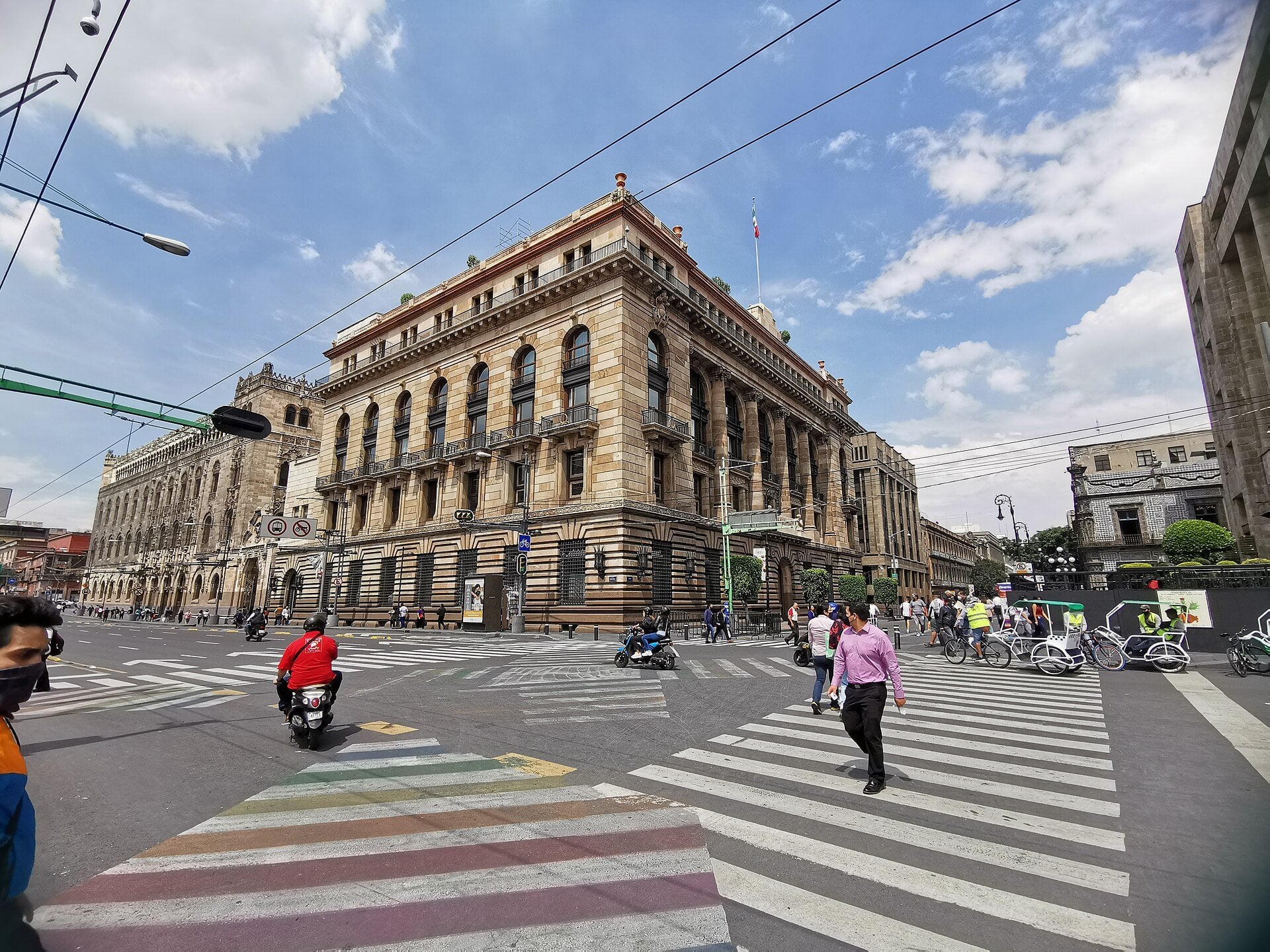
Mexico · Economy
Updated 1 time · Latest: 19 September 2026
Key Facts
- —What happened The Mexican peso closed at 16.96 per US dollar on August 20. It touched 16.90 on 9 September, its strongest in over two years, then gave back some gains. The Banxico FIX rate stood at 17.2333 on 18 September 2026.
- —How big a jump The currency has recovered about a fifth of its value since hitting 21.29 pesos per dollar in February 2025.
- —The real story High Mexican interest rates and a soft US dollar, not government policy, are driving the rally.
- —The catch A stronger peso makes Mexico pricier for US visitors, whose dollars now buy fewer pesos than in early 2025.
- —Who it touches Peso earners get cheaper imports and travel, while exporters face harder competition abroad.
- —What comes next The 2027 budget package, delivered to Congress in September, assumes a peso of 17.9 per dollar and 3.0% inflation, a weaker currency than the market trades today.
Good news for people paid in pesos, and slightly worse news for anyone arriving with US dollars to spend.
The Mexican peso closed at roughly 16.96 to the US dollar on Thursday, August 20, 2026. That is the currency’s strongest level in more than two years.
Since then the peso touched 16.90 per dollar on 9 September, then gave back some gains. A year ago the rate was 18.38, and end-2025 closed at 18.01, so the peso remains about 6% firmer year on year.
President Claudia Sheinbaum used her morning press conference to credit a solid economy and international confidence.
What Actually Happened on August 20
Currency traders spent Thursday pushing the dollar down against Mexico’s currency. By the close, one US dollar bought about 16.96 pesos, according to market data compiled by Trading Economics.
That may look like a small move. Still, it broke a psychological line that had held for more than two years.
Why the 17 Line Matters
For most of the past two years, it took more than 17 pesos to buy one US dollar. The last time the rate dipped under 17 was June 3, 2024, the day after Mexico’s presidential election.
After that vote, the peso slid hard and stayed weak. So returning below 17 is the clearest sign yet that the slump has fully reversed.
A Break, Then a Close
The first crack came on Friday, August 14, when the peso briefly touched about 16.98 during the day. However, it slipped back and finished the session just above 17.
This week was different. The peso traded under 17 on Wednesday and Thursday and, crucially, closed there both days.
How Far the Mexican Peso Has Travelled
The scale of the recovery is easy to miss. In early February 2025, one US dollar fetched 21.29 pesos, the peso’s weakest point of that year.
Since then the currency has clawed back roughly a fifth of its value against the dollar. For context, the peso’s best moment of 2024 was 16.26 on April 9, so it is not yet back to that peak.
What Sheinbaum Said
Speaking at the Palacio Nacional on Thursday morning, Sheinbaum linked the move to the wider economy. ‘We have a very solid economy,’ she said, adding that employment is growing.
She also framed the rally as a vote of confidence. ‘This means people are investing in pesos and there is international confidence in the Mexican economy,’ she said.
The Boring Reasons Behind the Rally
Politicians like to claim credit for a strong currency. In fact, most of the work is being done by interest rates and a soft US dollar.
Mexico’s central bank has held its benchmark rate at 6.50% since its August 6 decision. Because that is well above US rates, investors borrow cheaply elsewhere and park the cash in pesos.
Traders call it the carry trade.
Inflation Is Helping Too
Annual inflation fell to 3.12% in July, according to the national statistics agency INEGI. That is close to the central bank’s 3% target and among the lowest readings in years.
Calm prices make it easier for the bank to keep rates high without choking growth. As a result, the peso keeps its yield advantage.
August inflation came in at 3.26% annual, up from 3.12% in July, still inside the central bank’s tolerance band.
A Separate Move on Chinese Imports
On August 18, Bloomberg reported that Mexico is weighing tougher trade rules on selected goods from China and other countries. The Economy and Finance ministries are reportedly assessing which products could face new duties or higher existing ones.
Steel products and vehicles were described as leading candidates. Meanwhile, the timing matters, because Mexico is still negotiating with Washington over the North American trade pact.
Studied, Not Proposed, Not Passed
This is where precision counts. The Economy Ministry said publicly that there is currently no concrete plan or proposal for new tariff adjustments.
Still, it keeps consulting companies and investigating dumping complaints case by case. By contrast, an earlier package is already law.
Duties of up to 50% on goods from countries without a Mexican trade deal took effect on January 1, 2026. They cover roughly 1,463 tariff lines, with cars at the top rate.
What a Strong Peso Means for You
If you earn in pesos, imported goods, foreign travel and dollar-priced subscriptions all get cheaper. Fuel and food with imported inputs can ease as well.
If you arrive with US dollars, the maths flips. Your money buys fewer pesos than it did in February 2025, so rent, restaurants and tours in Mexico feel more expensive.
What Could Reverse It
Carry trades unwind quickly when nerves hit. A surprise from the US Federal Reserve or a stumble in trade talks could send the rate back above 17 within days.
Exporters and factories also feel the squeeze. Although a firm peso flatters headline statistics, it makes Mexican goods pricier abroad, which is why manufacturers rarely celebrate.
What to Watch Next
Two dates are worth marking. One is the central bank’s next rate decision.
The other was Mexico’s annual budget package, which the executive delivered to Congress in September. It assumes a peso of 17.9 per dollar and 3.0% inflation for 2027. The budget is also the usual vehicle for tariff changes.
Therefore, if the government does act on Chinese imports, that is where the detail would surface. We have not confirmed whether the package contained such measures.
More: Mexico news in English, every day from The Rio Times.
The big picture: Mexico explained — economy, politics, society and daily life in one read.
Frequently Asked Questions
How strong is the Mexican peso right now?
It closed at about 16.96 on 20 August 2026 and touched 16.90 on 9 September, its strongest in over two years. The Banxico FIX rate was 17.2333 on 18 September.
Why is the peso rising?
Mainly interest rates. Mexico’s benchmark sits at 6.50% while inflation was 3.26% in August, so holding pesos pays well.
Is Mexico raising tariffs on Chinese goods again?
Not yet. Officials are reportedly studying higher duties on steel and vehicles.
Does a stronger peso help visitors?
No. A stronger peso means each US dollar buys fewer pesos. So hotels, meals and tours cost visitors more than a year ago.
Connected Coverage
Sources: Bloomberg; Infobae; Ambito; El Financiero; Banco de Mexico; INEGI.
In depth
This article was produced by The Rio Times’ automated AI newsroom. Editorial responsibility: Matthias Camenzind, Publisher and Editor-in-Chief. The Rio Times also runs Ask Rio Times, which answers from 100,000+ of our own articles, the daily Latin America Power Map, and prediction-market odds on elections and markets.. How we use AI · Report an error