MALI · PRESS FREEDOM
Key Facts
- —Who was jailed Abdrahamane Keïta, publication director of the Malian newspaper Le Témoin. Some outlets spell his first name Abderhamane.
- —The sentence Two years in prison without suspension, plus one million CFA francs in damages to the state, about US$1,760.
- —When 14 September 2026, according to AFP and the Committee to Protect Journalists. He was arrested on 9 June.
- —Which court The Pôle national de lutte contre la cybercriminalité in Bamako, the national anti-cybercrime unit, which both investigated and tried him.
- —What he said On a television debate programme he described the town of Kidal as being run by the leader of the armed group JNIM. Accounts of his exact words differ.
- —What happens next His lawyers announced an appeal at the verdict.
A Malian editor said on television that an armed group runs a town in the north. A cybercrime court gave him two years.
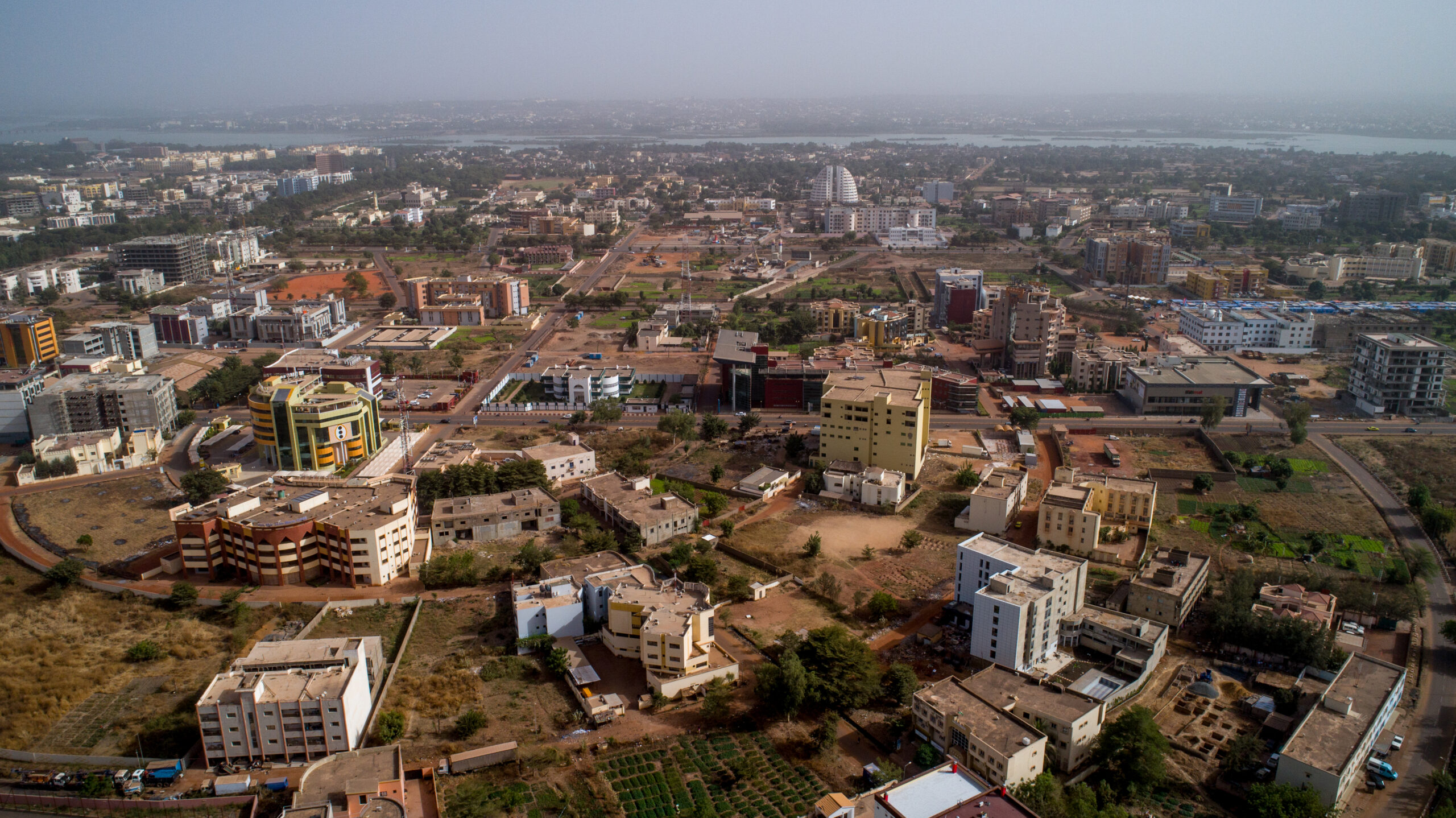
A Malian court sentenced Abdrahamane Keïta, publication director of Le Témoin, to two years in prison on 14 September 2026. The case concerned a remark he made on television about the northern town of Kidal.
The Sentence
Keïta received two years in prison, ferme, meaning without suspension.
He was also ordered to pay one million CFA francs in damages to the state, about US$1,760. The state had sought 1.5 million.
He had been in detention since his arrest on 9 June 2026 and appeared in court on 7 September.
His lawyers rejected the accusations and announced an appeal when the verdict was delivered.
The Charge
The charge was a délit de caractère régionaliste of a nature to damage national unity and the credit of the state.
It was accompanied by charges of publishing and disseminating false information.
The second limb, damaging the credit of the state, is the one the prosecution pressed.
Both are offences under Malian law that carry custodial terms.
The Court That Tried Him
The case went to the Pôle national de lutte contre la cybercriminalité, Mali’s national anti-cybercrime unit.
That body both investigated and tried the case.
A cybercrime jurisdiction tried a newspaper editor over a spoken remark on television. That is the feature press freedom organisations have seized on.
Mali passed its cybercrime law in 2019, and it has since been used in several prosecutions of journalists.
What He Actually Said
The remark was made on the debate programme Le Grand Jury, broadcast by Renouveau TV.
Reports of the exact wording differ. AFP and Malian outlets render it as Kidal being administered or run by Iyad Ag Ghaly, the leader of JNIM.
The Committee to Protect Journalists renders it as JNIM insurgents controlling Kidal.
No verbatim transcript has been published, so the words at the centre of the case remain a matter of paraphrase.

What Happened at Kidal
Human Rights Watch documented the events in a report published on 28 June 2026.
Fighters from JNIM and the Front de Libération de l’Azawad entered Kidal on 25 April 2026. They attacked the base and looted the market.
Two days later Russian fighters withdrew after reaching a deal with the two groups, leaving the town under insurgent control.
About 200 Malian soldiers were left behind and taken prisoner. Mali’s defence minister was killed in the April attacks.
What the Watchdogs Say
Reporters Without Borders, quoted by AFP, called the decision unjust and a new way of criminalising journalism.
It warned that the sentence sends a troubling signal to media professionals in Mali and across the region.
The Committee to Protect Journalists maintains a record on Keïta. In June 2026 it reported two other Malian journalists arrested under the cybercrime law.
The Malian journalists Chahana Takiou and Youssouf Sissoko have also faced prosecution.

Where Malian Journalism Stands
Mali has been governed by a military administration since coups in 2020 and 2021.
French broadcasters were suspended in 2022, and several Malian outlets have been suspended since.
Journalists reporting on the security situation in the north operate under the widest legal exposure.
The country still has an active private press, and Le Témoin continues to publish.
What to Watch
The appeal, which his lawyers announced at the verdict.
Whether the anti-cybercrime unit takes further press cases, which would establish it as the venue for them.
Any statement from the Maison de la Presse du Mali, which had not issued one at the time of writing.
And the situation in Kidal itself, which is the subject the prosecution treated as unsayable.
More: Africa news and analysis, every day from The Rio Times.
Frequently Asked Questions
Who is Abdrahamane Keïta?
The publication director of the Malian newspaper Le Témoin. Some outlets render his first name as Abderhamane.
What was the sentence?
Two years in prison without suspension, plus one million CFA francs in damages to the state, about US$1,760.
What was he convicted of?
A regionalist offence of a nature to damage national unity and the credit of the state. Charges of publishing and disseminating false information accompanied it.
What did he say?
On the programme Le Grand Jury he described Kidal as being run by the leader of JNIM. Accounts of the exact wording differ and no transcript has been published.
Which court tried him?
The Pôle national de lutte contre la cybercriminalité in Bamako, which also investigated the case.
Is he appealing?
Yes. His lawyers announced an appeal when the verdict was delivered on 14 September 2026.
Sources: Agence France-Presse, Committee to Protect Journalists, Reporters Without Borders via AFP, Human Rights Watch, Africaradio, Afriksoir.
This article was produced by The Rio Times’ automated newsroom system. How we use AI · Report an error
Read More from The Rio Times