
MALI · SECURITY
Key Facts
- The country Mali, a West African state run by a military junta, faces al-Qaeda-linked JNIM and Tuareg separatist rebels.
- Why now Mali’s foreign minister accused Ukraine of backing terrorist groups at the UN on Monday 28 September 2026.
- On the record Ukraine’s intelligence spokesman hinted in 2024 that rebels received help; Kyiv denies arming terrorists.
- Not documented UN monitors and a weapons-tracing group list no Ukrainian arms among jihadist arsenals.
- What it means for you A US House bill on Mali lists gold and taxes as al-Qaeda funding and omits Ukraine.
In Plain English
The Sahel is the arid belt of Africa south of the Sahara. JNIM, the Group for the Support of Islam and Muslims, is al-Qaeda’s branch there, and the FLA, the Azawad Liberation Front, is a mostly Tuareg separatist group not on the UN terrorism list.
HUR is Ukraine’s military intelligence directorate, and Conflict Armament Research is a UK-based group that traces weapons found in conflicts. The UN monitoring team is a panel of experts reporting to a Security Council sanctions committee.
A May 2026 opinion column claims Ukrainian equipment is in the hands of Sahel jihadists, and Mali’s military junta accuses Ukraine of supporting terrorist groups, yet the UN’s two latest al-Qaeda monitoring reports and Conflict Armament Research’s April 2025 study do not mention Ukrainian weapons. What is on the record is narrower: a Ukrainian intelligence spokesman hinted in 2024 that Tuareg rebels in northern Mali received help.
For US readers the question touches arms for Ukraine, which Washington has supplied since 2022, and counterterrorism in Mali, where a House bill asks the State Department for a strategy against al-Qaeda. This article separates what is documented from what is alleged.
Mali cut ties with Ukraine on Sunday 4 August 2024 and repeated its accusation at an Islamic bloc meeting weeks later. New since then are two UN reports, a post by Ukraine’s former spy chief and Mali’s UN speech, all in 2026.
What Kyiv and Bamako Have Said
On Monday 29 July 2024 Andriy Yusov, spokesman for Ukraine’s military intelligence directorate, said on television that rebels who ambushed Malian and Russian Wagner forces near Tinzaouaten in northern Mali received helpful information, and he hinted at more. Mali announced on Sunday 4 August 2024 that it was cutting ties, reading the remarks as an admission of Ukrainian involvement in the attack.
Niger followed on Tuesday 6 August 2024. Ukraine’s foreign ministry called its accusations baseless and said Niger acted without investigating or giving evidence.
In a letter issued as a UN Security Council document on Wednesday 4 September 2024, Burkina Faso, Mali and Niger accused Ukraine of supporting international terrorism and called the Tinzaouaten attack “cowardly, traitorous and barbaric”, citing only public remarks by Yusov and by Ukraine’s ambassador to Senegal. The letter presented no seized weapons, documents or data.
On Monday 28 September 2026 Mali’s foreign minister, Abdoulaye Diop, told the UN General Assembly that Ukraine is “just the visible part of the iceberg”. The speech text accuses Ukraine of supporting terrorist groups but does not mention Ukrainian weapons or drones.
What UN Monitors and Weapons Trackers Found
The UN monitoring team’s report of Monday 10 August 2026 says JNIM operates modified commercial drones, notably DJI Mavic 3 models, along with systems captured from government forces. It adds that there was no indication that JNIM or either Islamic State group in the region had deployed fibre-optic drones.
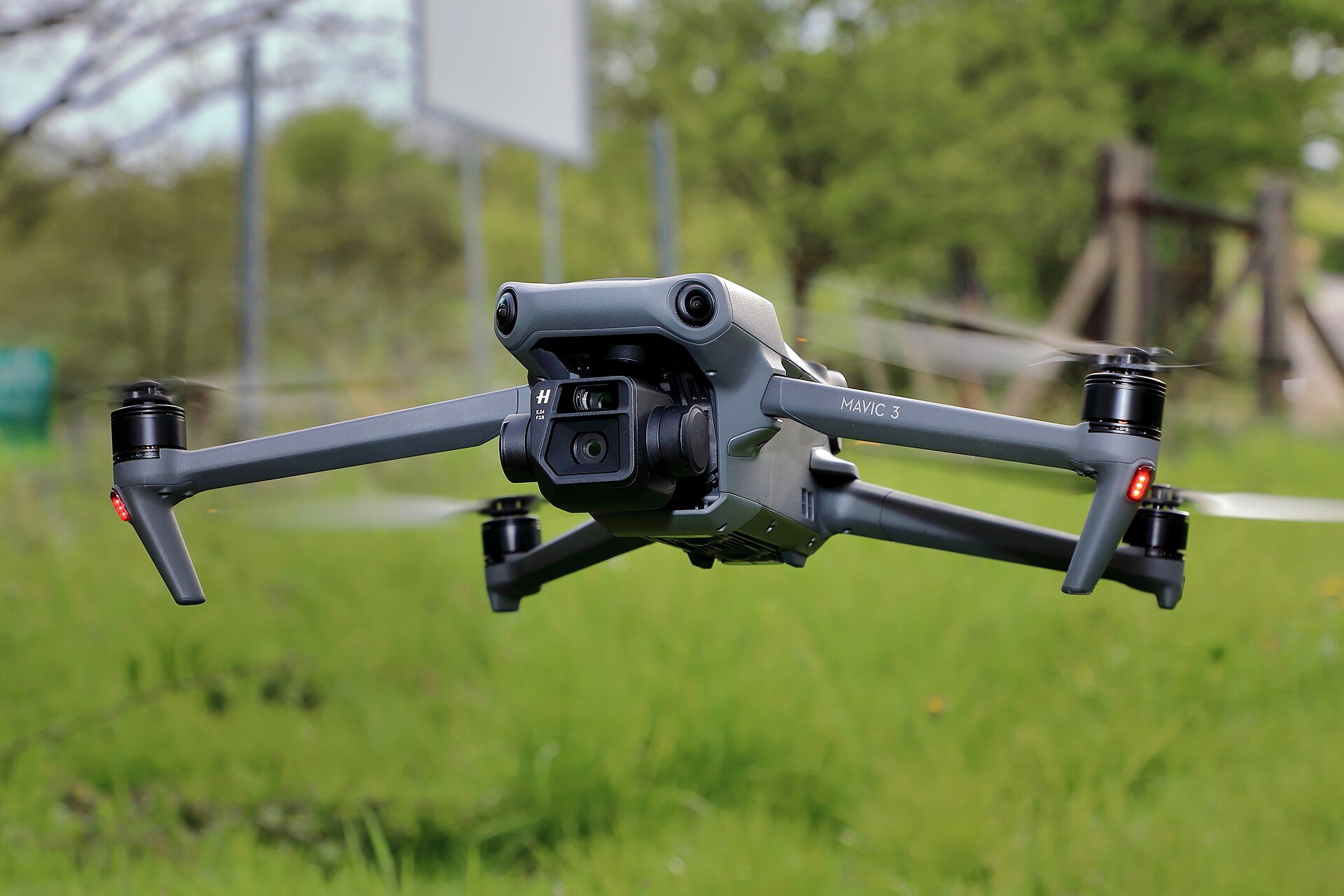
Neither that report nor the team’s February 2026 report mentions Ukraine. The August report points instead to about US$50 million in ransom received in 2025 as key to financing JNIM’s April 2026 offensive.
Conflict Armament Research, in an April 2025 report on weapons seized from Sahel jihadist groups through 2023, found no evidence of a unique supply source and judged that at least one fifth came from diverted state stocks in eight countries. The report does not mention Ukraine.
That study stops at 2023, before the Tinzaouaten ambush, so it cannot rule out anything since. The European Union’s EUvsDisinfo project noted that a Malian story, published after Sunday 1 June 2025, claiming Ukrainian instructors were arming al-Qaeda-linked fighters offered no real evidence.
Where Rebels and Jihadists Overlap
The UN monitoring team says JNIM and the Tuareg-led FLA jointly planned the offensive that began on Saturday 25 April 2026 and regained parts of northern Mali, notably Kidal. That joint fighting is why accusations against one group tend to be applied to the other.
In mid-September 2026 anonymous Ukrainian military intelligence officers were quoted as saying that drone operators trained and supported the FLA, while an FLA source quoted on Friday 9 October 2026 said that three or four Ukrainians trained some fighters in 2023 and denied any logistical, material or intelligence support. Kyrylo Budanov, now head of the president’s office, wrote on Monday 7 September 2026 that Ukraine’s military intelligence protects Ukrainian interests “from Russia to Africa”, without naming Mali.
What It Means for You
A US House bill introduced on Monday 31 August 2026 by Representatives Jimmy Panetta of California and Joe Wilson of South Carolina asks the State Department for a strategy against al-Qaeda in Mali and a report on its funding, including gold trafficking and illicit trade. Its text does not mention Ukraine.
The State Department lists Mali at Level 4, Do Not Travel. Until a named body publishes seizure records, claims of a Ukrainian arms pipeline to jihadists are best treated as unproven.
What Is Not Known
The 2026 accounts of Ukrainian drone training in Mali rest on unnamed sources, and it is not known whether Kyiv will answer them on the record. Whether any Ukrainian-made part reached JNIM is unverified, including the fibre-optic cable housing that an opinion column of Thursday 28 May 2026 places near Tessalit.
The UN team’s Mali findings cover a limited period, so later drone use may differ. Burkina Faso’s foreign minister, speaking for all three juntas at the UN the same day, named no accused state, and no evidence was shown.
Frequently Asked Questions
Are Ukrainian weapons in the hands of Sahel jihadists?
The UN monitoring team and Conflict Armament Research have not documented it. Their reports describe captured or diverted state stocks and commercial drones, and neither mentions Ukraine.
Did Ukraine admit helping rebels in Mali?
A Ukrainian intelligence spokesman hinted on Monday 29 July 2024 that rebels received information and more. Ukraine’s foreign ministry denied supporting terrorism and, on Monday 14 October 2024, rejected claims that it supplied drones to the rebels.
Why did Mali and Niger cut ties with Ukraine?
Mali acted on Sunday 4 August 2024 after the intelligence spokesman’s remarks, and Niger followed on Tuesday 6 August. Both governments accused Ukraine of supporting terrorism, which Kyiv rejects.
Is the Azawad Liberation Front a jihadist group?
The FLA is a mostly Tuareg separatist group that is not on the UN sanctions list, while JNIM is listed as an al-Qaeda affiliate. The UN team says the two planned the April 2026 offensive together.
Sources: UN Security Council document, letter of Burkina Faso, Mali and Niger, 4 September 2024; UN Security Council monitoring team, thirty-eighth report, 10 August 2026; UN monitoring team, thirty-seventh report, 4 February 2026; Conflict Armament Research, Point-Blank, April 2025; UN General Assembly, Mali statement, 28 September 2026; Ukraine foreign ministry statement on Niger, 8 August 2024; US House bill H.R. 10195, 31 August 2026; EUvsDisinfo, Ukraine coordinating jihadist attacks in Mali; US State Department, Mali travel advisory; Rio Times Mali hub.
This article was produced by The Rio Times’ automated newsroom system. How we use AI · Report an error · Editorial responsibility: Matthias Camenzind, Editor-in-Chief