MALAWI · AFRICA
Key Facts
- Weight 22.2 million people (2025), 21st of Africa’s 54 countries; economy US$14.9 billion, only 35th of 52.
- Income Output per person is US$672 (2025), 47th of 52, just above Mozambique’s US$627.
- African Union Member since 13 July 1964, when the AU was still called the Organisation of African Unity.
- Regional blocs Founding member of SADC, the southern African bloc (1980), and of COMESA, a trade bloc.
- Trade pact Signed the AfCFTA, the continent-wide free trade pact, on 21 March 2018; ratified 1 November 2020.
- Main export Tobacco was about 59% of Malawi’s US$958 million goods exports in 2024.
Malawi is a small, poor but well-connected member of nearly every regional club on the African continent. This guide shows what the country weighs, which bodies it sits in and how it compares with neighbours.
It starts with the facts you can check and ends with what is still unclear.

Malawi at a Glance
Malawi is a landlocked country of 118,484 square kilometres in southern Africa, with the capital in Lilongwe. It borders Tanzania to the north, Mozambique to the east, south and south-west, and Zambia to the west.
Its role on the continent is easiest to follow through its memberships. Our Africa section puts the country next to its peers.
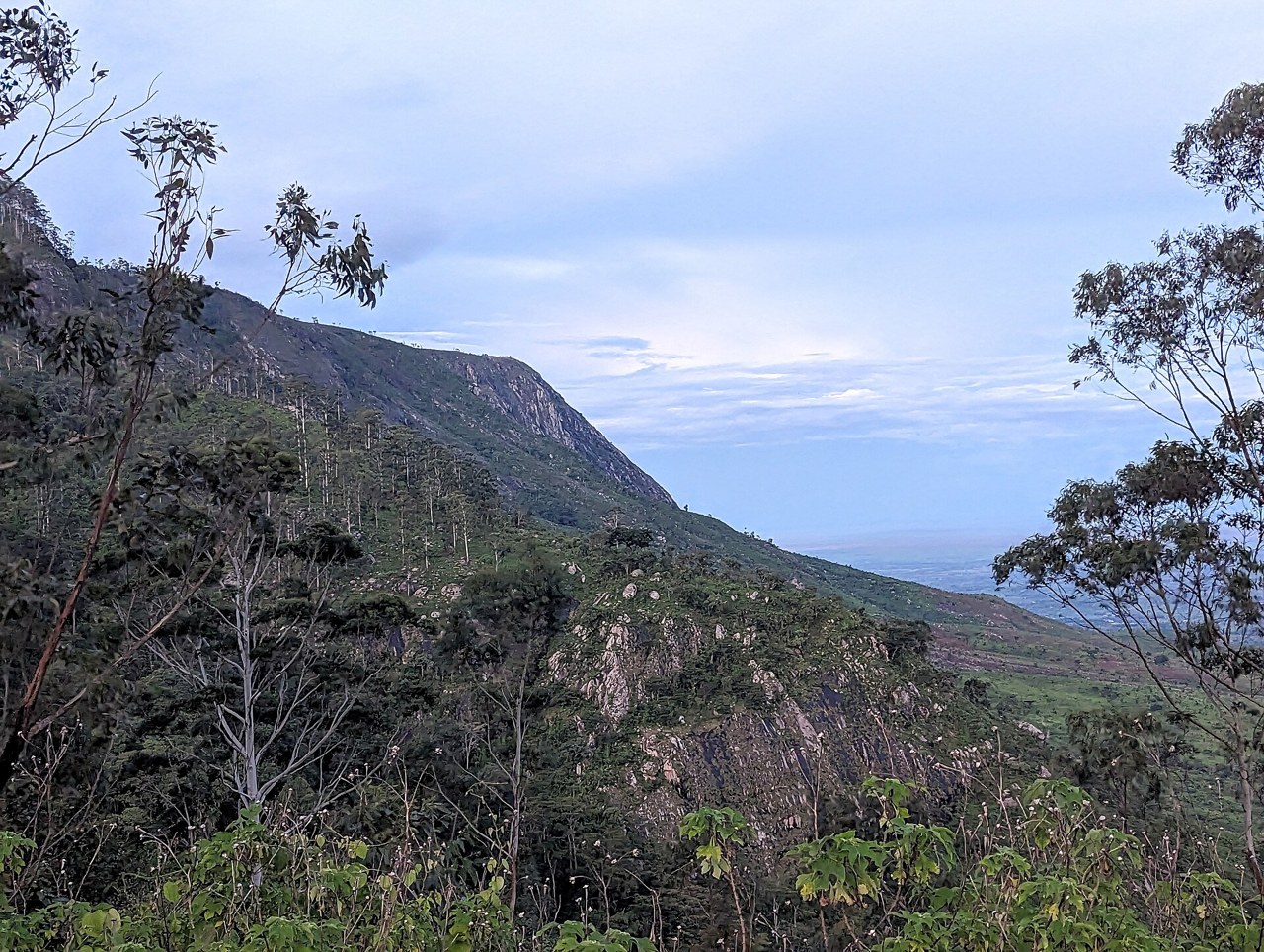
Lake Malawi, the third largest lake in Africa, runs for 568 kilometres through the Great Rift Valley. It shapes life in the country’s long, narrow east.
Malawi won independence on 6 July 1964 and has been a multiparty democracy since 1994. English and Chichewa are its official languages.
Peter Mutharika won the presidential election of 16 September 2025 and took the oath on 4 October 2025. Jane Ansah, a retired judge, is his vice president, and the full picture at home is in our Malawi Explained guide.
Weight in People and Money
The World Bank, the global development lender, counts 22,216,120 people in Malawi in 2025. That makes it the 21st most populous of Africa’s 54 countries, and the population grew by about 2.6% in a year.
Only about 17.6% of Malawians live in towns and cities, so most people still live in villages. Farming still produces about 30% of the economy.
Malawi’s weight on the continent is small in money terms. Its economy was worth US$14.9 billion in 2025, which ranks 35th among the 52 African countries with data.
Output per person was US$672 in 2025, which ranks 47th. That is about US$1.84 a day for every Malawian.
The International Monetary Fund (IMF), the global lender of last resort, puts Malawi’s growth at 2.5% in 2025 and 2.6% in 2026. It puts inflation at 28.4% for 2025 and 21.9% for 2026.
- Population: 22.2 million (2025), 21st of 54
- Economy: US$14.9 billion (2025), 35th of 52
- Output per person: US$672 (2025), 47th of 52
- Share of people in towns and cities: 17.6% (2025)
Malawi in the African Union
The African Union (AU) is the club of 55 African member states. Malawi joined on 13 July 1964, a week after independence, when the club was still called the Organisation of African Unity.
The AU sorts its members into five regions and lists Malawi in Southern Africa. Its regional partners there include Angola, Botswana, Eswatini, Lesotho, Mozambique, Namibia, South Africa, Zambia and Zimbabwe.
Malawi is not a large member of the continent, so its influence comes from regional work rather than size. That makes SADC, the southern bloc, the most useful lens on its role.
Southern Africa and SADC
The Southern African Development Community (SADC) is the regional bloc of southern Africa, run from a secretariat in Gaborone, Botswana. Malawi is a founding member and joined at the creation of its forerunner in Lusaka, Zambia, in April 1980.
South Africa’s President Cyril Ramaphosa chairs SADC and led an extraordinary summit held online on 21 October 2026. SADC’s own statement of that day lists Malawi’s president among the three leaders of the bloc’s security organ.
That organ, which deals with politics, defence and security, is led by a troika of three leaders. King Mswati III of Eswatini is the current chair, Lesotho’s Prime Minister Ntsokoane Matekane the incoming chair, and Mutharika the outgoing chair.
The summit also urged members to prepare for El Niño, a weather pattern that can bring drought and floods. It named the 2026/27 cyclone season as a second risk, and our Malawi in Southern Africa guide covers trade.
The COMESA Market and the Continental Free Trade Area
The Common Market for Eastern and Southern Africa (COMESA) is a trade bloc of eastern and southern African countries. It lists Malawi as a member state and keeps a country profile for it.
The African Continental Free Trade Area (AfCFTA) is a pact to remove tariffs on most goods and services across the continent. Malawi signed it on 21 March 2018, ratified it on 1 November 2020 and deposited the paperwork on 15 January 2021.
The African Union’s status list of 22 May 2026 shows 54 signatories and 49 ratifications. Malawi is therefore among the large majority of countries that have completed the legal steps.
Legal membership is not the same as new trade. Exports of goods and services were only about 10.7% of Malawi’s economy in 2025, compared with 41% in Mozambique.
What Malawi Sells and Who Buys It
Malawi’s customs data, published on UN Comtrade, the United Nations trade database, show goods exports of US$958 million in 2024. Tobacco brought in US$570 million of that, about 59% of the total.
The next largest groups were vegetables and pulses at US$83 million, then coffee, tea and spices at US$74 million. Oilseeds brought in US$48 million and sugar only US$10 million.
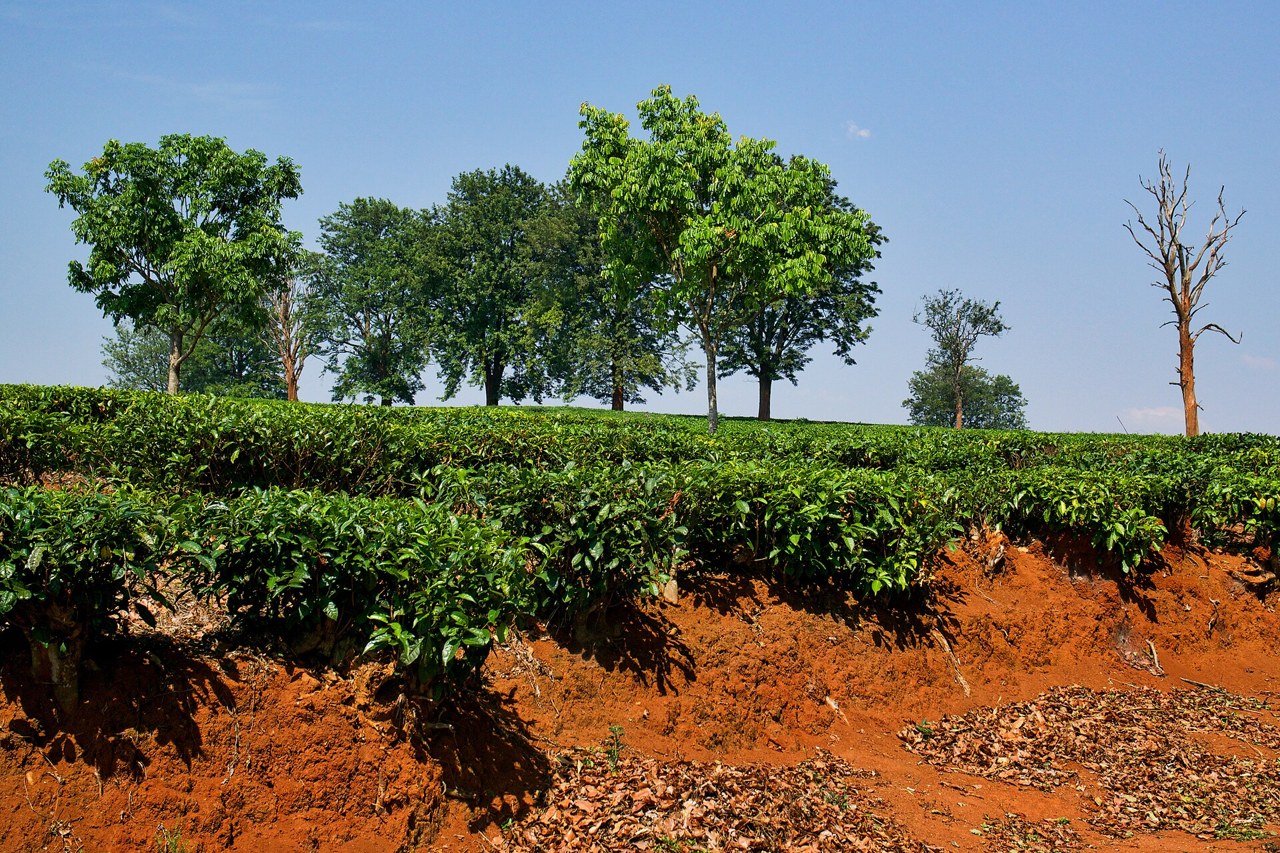
Tea, which SADC lists among Malawi’s natural resources, belongs to the coffee, tea and spice group. A single dominant crop makes the country sensitive to world prices and to rules in the countries that buy it.
Our Malawi business guide covers taxes, the dollar shortage and the practical side of trading from Lilongwe.
Malawi Against Its Neighbours
Malawi has the smallest economy of the five countries compared here, so its place on the continent looks modest. Its 2025 economy of US$14.9 billion compares with US$28.9 billion for Zambia, US$22.3 billion for Mozambique and US$90.1 billion for Tanzania.
Per person, Malawi’s US$672 is just above Mozambique’s US$627 but far below Zambia’s US$1,318 and Tanzania’s US$1,319. Zimbabwe’s US$3,021 shows how wide the gap is inside one bloc.
The IMF expects faster growth in 2026 from most of them: 5.6% in Zambia, 6.0% in Tanzania and 5.0% in Zimbabwe. It sees only 1.0% for Mozambique, so Malawi’s 2.6% is not the weakest in the group.
Inflation is where Malawi stands out. The IMF projects 21.9% for 2026, against 8.0% in Zambia, 5.6% in Mozambique, 4.0% in Tanzania and 4.0% in Zimbabwe.
- Zambia: 21.9 million people, US$28.9 billion economy
- Mozambique: 35.6 million people, US$22.3 billion economy
- Tanzania: 70.5 million people, US$90.1 billion economy
- Zimbabwe: 17.0 million people, US$51.2 billion economy
- Malawi: 22.2 million people, US$14.9 billion economy
Aid, Refugees and Money From Abroad
Malawi depends heavily on outside money. It received about US$1.7 billion in net aid in 2023, the latest year the World Bank lists, against US$1.4 billion for Zambia.
Remittances, the money migrants send home, reached US$306 million in 2025 against US$224 million in 2024. That is a rise of about 37% in one year.
Malawi also hosts people who fled conflict nearby. The UN refugee agency (UNHCR) counted 35,241 refugees and 25,251 asylum-seekers there at the end of 2025.
Most of the refugees, 25,285 people, came from DR Congo. Another 6,676 came from Burundi.
Our report on Malawi’s graft watchdog covers how public money is checked at home. Our report on the end of the SADC mission in the DR Congo covers the region’s latest security operation.
What It Means for US Readers
For US readers the sharpest link is travel. A US proclamation in force since 1 January 2026 suspends entry of Malawians as immigrants and on business, tourist, student and exchange visas.
President Trump signed it on 16 December 2025. It cites overstay rates of 22.45% for business and tourist visas and 31.99% for student and exchange visas.
Malawians already in the United States should check their own status with a lawyer. Exceptions exist, so the proclamation text matters.
For investors and donors, the useful fact is that Malawi is small, heavily tied to tobacco and dependent on aid. Inflation near 22% in 2026 eats into returns earned in the local currency.
For readers following the wider region, Malawi’s neighbours in the group matter as much as Malawi itself. Our guides to Zambia’s population and ethnic groups and Botswana’s politics cover two of them in the same plain style.
What Is Not Known
It is not clear how much of Malawi’s trade already moves under the continental free trade pact. The AU’s own list only records who has signed and ratified.
The date of the next summit of SADC leaders is not confirmed. The IMF’s last yearly check of Malawi’s economy took place on 21 July 2025.
It is open whether a new IMF lending programme will follow that check. The IMF’s country page lists no new decision in this guide’s sources.
We also do not know whether the US entry restrictions on Malawians will be changed. Readers should check the White House and State Department pages before they plan travel.
Frequently Asked Questions
How big is Malawi compared with other African countries?
Malawi has 22.2 million people, the 21st largest population in Africa, but its US$14.9 billion economy ranks 35th of 52 countries with data. Output per person is US$672, 47th of 52.
Is Malawi in the African Union?
Yes. Malawi joined on 13 July 1964, when the AU was still the Organisation of African Unity. The AU now has 55 member states.
What is SADC and what is Malawi’s role in it?
SADC is the Southern African Development Community, a regional bloc headquartered in Gaborone. Malawi is a founding member, and President Mutharika is the outgoing chair of its security organ as of 21 October 2026.
Has Malawi joined the African Continental Free Trade Area?
Yes. Malawi signed on 21 March 2018, ratified on 1 November 2020 and deposited its instrument on 15 January 2021. Actual trade gains remain small so far.
What does Malawi export?
Tobacco is the main export, about 59% of US$958 million in goods sold abroad in 2024. Vegetables, coffee, tea, spices and oilseeds follow.
Can Malawians travel to the United States?
A US proclamation in force since 1 January 2026 suspends entry of Malawian nationals as immigrants and on most visitor, student and exchange visas. Exceptions exist, so check the official rules before planning.
Sources: World Bank, World Development Indicators (population, GDP, GDP per person, urban share, remittances, aid, exports), Malawi and peers, 2026-10-08; International Monetary Fund, World Economic Outlook database (growth and inflation, Malawi and peers), 2026-11-01; International Monetary Fund, Malawi country page (last Article IV board consultation, 21 July 2025), 2026-11-01; United Nations Comtrade database, Malawi goods exports 2024 (HS chapters 24, 07, 09, 12, 17), 2026-11-01; UNHCR, Refugee Data Finder, Malawi as country of asylum, end-2025, 2026-11-01; African Union, Member States and dates of joining the OAU or AU, 2026-10-31; African Union, status list of the AfCFTA Agreement (signature and ratification, 22 May 2026), 2026-05-22; SADC, Member States: Malawi, 2026-11-01; SADC, Extraordinary Summit communique on the Organ troika (21 October 2026), 2026-10-21; SADC, Chairperson page, 2026-11-01; COMESA, Malawi country profile, 2026-11-01; Government of Malawi, official portal (President and Vice President, oath of 4 October 2025), 2026-11-01; The White House, Proclamation Restricting and Limiting the Entry of Foreign Nationals (16 December 2025, effective 1 January 2026), 2025-12-16.
This article was produced by The Rio Times’ automated newsroom system. How we use AI · Report an error · Editorial responsibility: Matthias Camenzind, Editor-in-Chief
Brazil runoff date: Sunday, October 25, poll closing times and when results start · Brazil runoff polls: Flávio 51%, Lula 49% · Kalshi and Polymarket odds
Rotate for Best Experience
This report is optimized for landscape viewing. Rotate your phone for the full experience.
You've reached your free article limit
Subscribe to The Rio Times for unlimited access to our reporting from across Africa.
Keep reading for free
Your first article was on us. Register with your email address to read 6 free articles every month. You will also receive Africa Intelligence: African markets, politics and business, every weekday morning.