Malawi Business Guide 2026 Covers Taxes and Dollar Gap
Doing business in Malawi means working in a low-cost, English-speaking farm economy that is chronically short of US dollars. Here is what a foreign company needs to know in October 2026.
Malawi sits between Zambia, Tanzania and Mozambique, with Lake Malawi along its eastern edge. Lilongwe is the capital and seat of government; Blantyre, in the south, is the commercial hub.
Peter Mutharika won the September 2025 election and became president on 4 October 2025. Joseph Mwanamvekha is finance minister, and George Partridge governs the Reserve Bank of Malawi, the central bank.
Key Facts
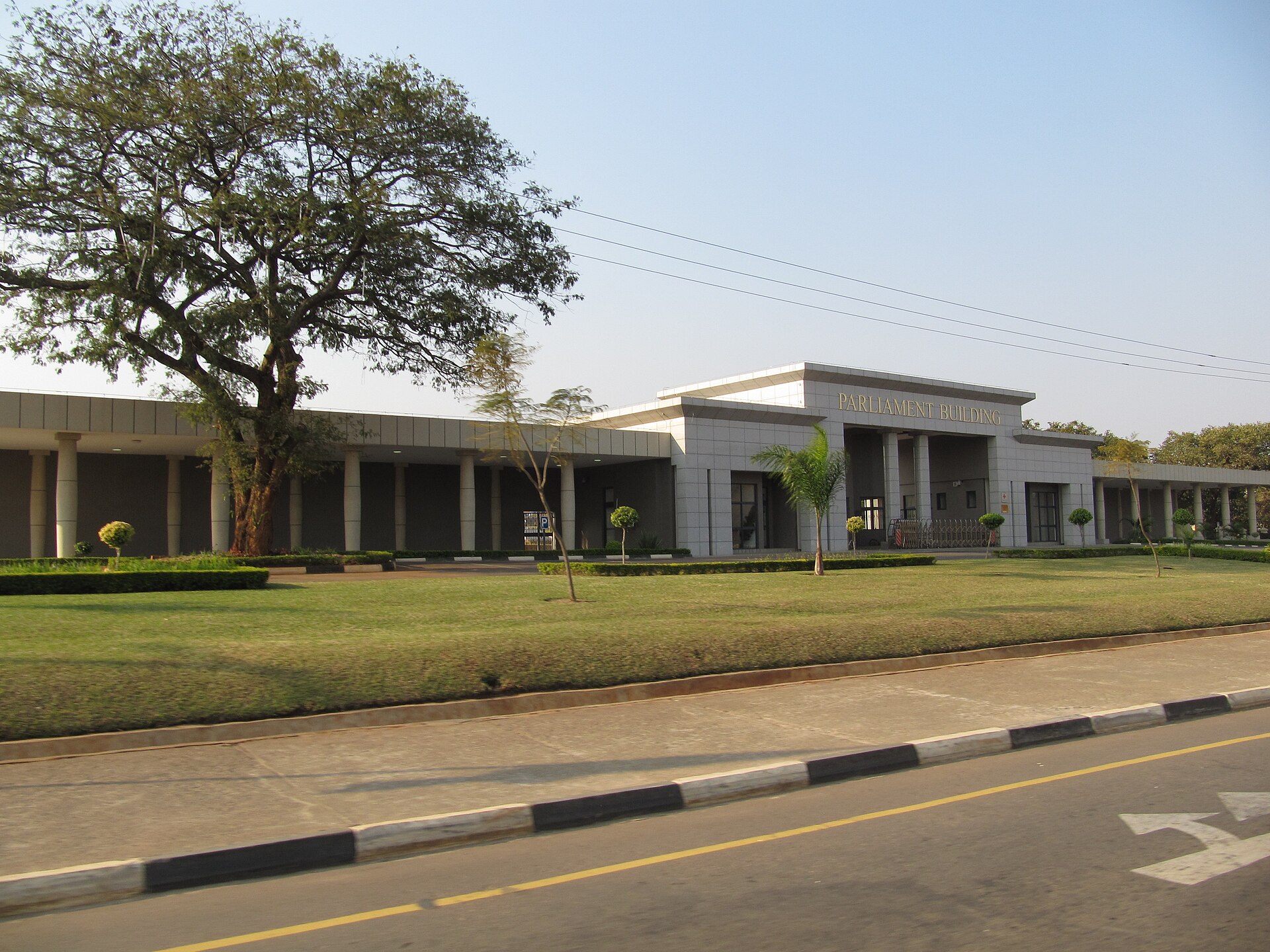
- The country. A landlocked, English-speaking state of 22.2 million people in southern Africa (World Bank, 2025). Its US$14.9 billion economy produces about US$670 a head, under 1 per cent of the US level.
- Why it matters. Tobacco is the biggest export and main source of dollars, while fuel, fertiliser and medicine must be bought abroad. Every import competes for a small pool of US dollars.
- Why now. Malawi has had no International Monetary Fund (IMF) loan since May 2025. President Peter Mutharika, in office since October 2025, rules out devaluing the kwacha, the national currency.
- What happened. On 18 September 2026 the central bank barred individuals from holding more than US$1,000 in foreign cash without permission. Total reserves covered only 2.4 months of imports in July.
- The numbers. Value added tax (VAT) rose to 17.5 per cent in January 2026. The policy rate is 24 per cent; inflation was 20.01 per cent in August.
- What it means for you. Plan for slow access to dollars, fuel queues and power cuts. Build profit transfers and import payments into the timetable months ahead, not weeks.
- Still open. Whether IMF talks produce a new loan, and whether that brings a more market-set exchange rate. The government says devaluation is not on the table.
Registration and taxes
Foreign investors usually incorporate a private limited company with the Department of the Registrar General. The Malawi Investment and Trade Centre (MITC), the state investment promotion agency, is the first point of contact.
The Malawi Revenue Authority (MRA) issues the taxpayer identification number and collects corporate income tax, VAT and withholding taxes. Official fee schedules for registration are not consolidated in one English-language source.
Corporate income tax is 30 per cent for local companies and 35 per cent for branches of foreign firms, PwC’s tax summary says. Priority industries can qualify for lower rates.
Taxes rose in the mid-year budget review of November 2025. VAT went from 16.5 to 17.5 per cent from January 2026, and a 0.05 per cent levy now applies to bank transfers.
The review also cut the threshold for an extra tax on “supernormal” profits to 5 billion kwacha (about US$2.9 million). It had been 10 billion kwacha (about US$5.7 million).
Live Company IntelligenceGrupo Aeroportuario del Pacífico S.A.B. de C.V — the full investor dossier
Valuation & profitability
Price & risk
$338.3552-wk high
$512.65
Revenue trend · 6y
Ownership
Dividend
Banking and the dollar shortage
Commercial banks include National Bank of Malawi and Standard Bank Malawi, supervised by the Reserve Bank. The binding constraint is not the banks but the supply of foreign currency.
The central bank holds the kwacha near 1,749 per US dollar. On the parallel market a dollar costs far more, and the World Bank says that premium “remains very high”.
Malawi devalued by 25 per cent in May 2022 and by 44 per cent in November 2023, and prices jumped both times. Mwanamvekha said in late September 2026 that there would be no devaluation this time.
Reserves fell to US$600.6 million in July 2026, or 2.4 months of import cover, central bank data cited by The Nation show. Official reserves alone cover less than one month, the World Bank says, against a usual three-month safety margin.
New rules published on 18 September 2026 tighten the squeeze. Anyone sending more than US$1,000 abroad must show the money came from an authorised dealer or get central bank approval.
In practice, dollars for imports and profit transfers are rationed and can take time. Anyone doing business in Malawi plans around paperwork and waiting, not a formal ban on repatriation.
The real economy
Agriculture produced about 30 per cent of output in 2025 and employs roughly two-thirds of workers, according to World Bank data. Tobacco leads exports, followed by tea, sugar and pulses.
That dependence makes the dollar supply seasonal and fragile. After 19 weeks of the 2026 tobacco season, sales were US$282.5 million, against US$500.4 million a year earlier.
The average leaf price fell from US$2.54 to US$1.98 a kilogram, the Tobacco Commission said. Weaker tobacco earnings mean fewer dollars for everyone else.
Inflation fell for a seventh month in a row to 20.01 per cent in August 2026, National Statistical Office data show. The peak was 29.11 per cent in October 2025.
The central bank cut its policy rate from 26 to 24 per cent in March 2026 and held it in August. It expects inflation to average about 22 per cent this year.
The World Bank projects growth of only 2.7 per cent in 2026, barely above population growth. The government’s long-term plan, Malawi 2063, launched in January 2021, aims for upper-middle-income status through farming, industry and towns.
On the ground
English is an official language and is used in government, banking and business, which lowers the setup barrier. For anyone doing business in Malawi, contracts, court filings and tax returns are handled in English.
Fuel is the sharpest daily problem. By late September 2026 diesel had been scarce for about three weeks, and petrol shortages followed, retailers said.
Diesel officially costs 5,863 kwacha (about US$3.35) a litre. On the roadside it sold for 10,000 to 15,000 kwacha (about US$5.70 to US$8.60), Nyasa Times reported.
Grid power is unreliable, and the energy minister, Jean Mathanga, has said the dollar shortage is worsening it. Generators and solar backup are standard for offices and factories.
Foreigners should take normal security precautions. In September 2026 police freed a British woman who had been kidnapped, after a shootout in which two suspects were killed.
What is still unclear
An IMF team visited from 9 to 18 June 2026 and left without a new loan. A further mission held policy talks in Lilongwe in late September, and no agreement had been announced by 4 October.
The size of the backlog of unpaid dollar orders is not published. Fuel prices are reviewed by the Malawi Energy Regulatory Authority (MERA), and supply depends on dollars the central bank can release.
Conversions in this guide use 1,749 kwacha to the US dollar, the official rate at the close on Friday 2 October 2026.
Frequently Asked Questions
Can foreign investors repatriate profits from Malawi?
In law, yes, through authorised dealer banks. In practice dollars are rationed, so transfers can wait, and no official queue time is published.
What taxes does a company pay in Malawi?
Corporate income tax is 30 per cent for local companies and 35 per cent for foreign branches. VAT has been 17.5 per cent since January 2026.
Will Malawi devalue the kwacha again?
The government says no. Finance minister Joseph Mwanamvekha ruled it out in late September 2026, while talks on a new IMF loan continue.
What are Malawi’s main exports?
Tobacco is the main export, followed by tea, sugar and pulses. Tobacco earnings fell sharply in the 2026 season because of lower volumes and prices.
Sources
World Bank Open Data, Malawi · World Bank, Malawi Economic Monitor (September 2026) · IMF, staff visit to Malawi (June 2026) · The Nation, central bank tightens currency controls · The Nation, new tax measures · PwC, Malawi corporate tax summary · Nyasa Times, no devaluation pledge · Nyasa Times, fuel shortage · Nyasa Times, August inflation · Malawi24, policy rate held · Malawi24, tobacco earnings · Reserve Bank of Malawi · Malawi Investment and Trade Centre
This article was produced by The Rio Times’ automated newsroom system. How we use AI · Report an error · Editorial responsibility: Matthias Camenzind, Editor-in-Chief