Opposition Leaders Walk Out of Kenya Talks
Kenya’s opposition says the election commission’s agenda ignored issues raised by Kenyans, and we found no formal commission statement by the time of writing, 264 days before the vote.

Politics: Kenya
Opposition leaders walked out of a meeting called by Kenya’s election commission in Nairobi on Thursday 19 November 2026, after rejecting its agenda. Rigathi Gachagua and Kalonzo Musyoka, two of the country’s best-known opposition figures, led the exit.
The commission, known as the IEBC, runs the national vote due on 10 August 2027, so a walkout from its talks puts the credibility of that vote in question. For readers abroad, it shows how contested the rules of Kenya’s next election already are.
Key Facts
- Who. Rigathi Gachagua (former deputy president) and Kalonzo Musyoka (Wiper party leader) led the exit.
- What. They left a meeting of the IEBC, Kenya’s election commission, on 19 November over its agenda.
- Why. The opposition says the agenda left out issues raised by Kenyans, so talks would not be meaningful.
- Next. No new meeting date is confirmed; the general election is on 10 August 2027.
- As of. 19 November 2026, 17:00 GMT.
Kenya’s opposition says the election commission’s agenda ignored issues raised by Kenyans, and we found no formal commission statement by the time of writing, 264 days before the vote.
What Happened at the Meeting
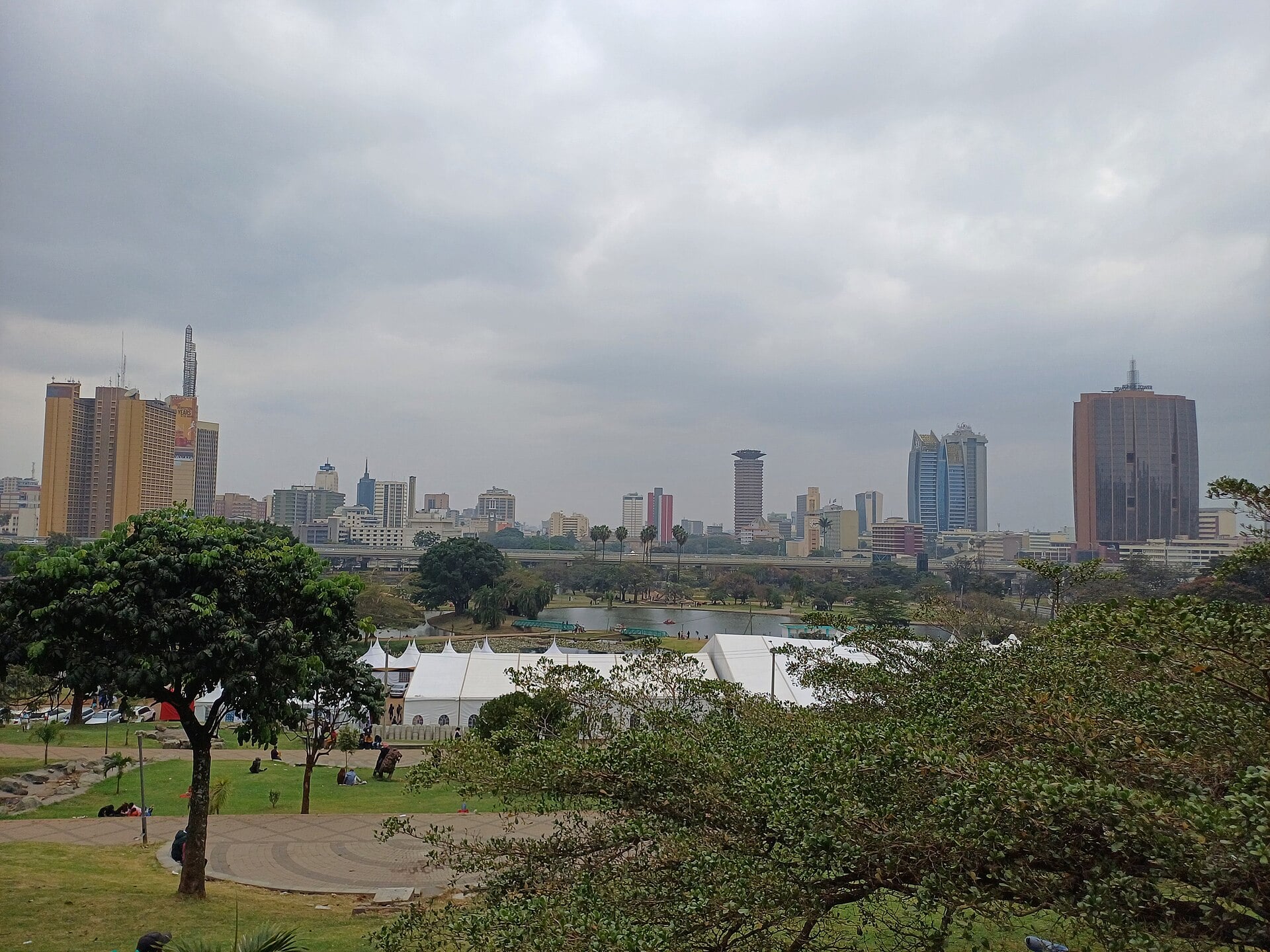
The IEBC, the Independent Electoral and Boundaries Commission that organises Kenya’s elections, convened the meeting in Nairobi under its chairperson, Erastus Ethekon. Gachagua said earlier in the week that he had received the invitation and needed about an hour and a half for the opposition’s issues.
Gachagua leads the Democracy for Citizens Party (DCP), and Musyoka, a former vice president, leads the Wiper party. They left with the United Opposition team, the alliance of parties opposed to President William Ruto.
Why the Opposition Left
Gachagua said the agenda omitted the issues raised by Kenyans and opposition parties. He said: “We feel that any discussion that does not include those issues given to us by the people of Kenya would not be meaningful and will not be useful to the country.”
He asked the chair for a new date and said the commission had not called the opposition to a meeting since January. Musyoka said the opposition attended in good faith but left over the commission’s perceived failure on preparedness and credibility.
The Four Reform Demands
Before the meeting the opposition set out four reform demands, starting with a clean, verifiable voter register. The second is scrapping the national presidential tallying centre at Bomas, the venue where national results are collected.
That would make results declared at constituency level final. The other two demands are electronic voting for Kenyans abroad and livestreaming of voting, counting and results at polling stations and tallying centres.
The Big Picture
The dispute grows out of the opposition coalition formed against President Ruto, with Gachagua and Musyoka among its leaders. Earlier Rio Times coverage, linked below, follows Gachagua’s feud with Ruto.
The opposition’s stated aims on 19 November are a clean register, a decentralised tally, electronic voting abroad and livestreamed counting. The commission’s formal position is not on the record, so we do not forecast whether it will accept any of them before the 10 August 2027 vote.
Why It Matters
The IEBC’s website carries a countdown to the General Election on 10 August 2027, which by our count from 19 November 2026 stands at 264 days. That leaves under nine months to settle a dispute over how the count is run.
What to Watch Next
The one confirmed date is the General Election on 10 August 2027, published on the IEBC’s website. The date of the next meeting between the IEBC and the opposition is not confirmed, although the opposition has asked for one.
What It Means for You
This is a story about the credibility of a vote 264 days away in Kenya, a security and trade partner of the United States. We found no confirmed effect yet on trade, travel or markets, so there is nothing to act on today.
What Is Not Known
It is not known whether the IEBC accepts any of the four demands, or when it will meet the opposition again. We found no formal commission statement on the walkout by the time of writing.
In Plain English
- IEBC: Kenya’s election commission.
- United Opposition: the alliance against President Ruto.
- DCP: Gachagua’s Democracy for Citizens Party.
- Wiper: Musyoka’s party.
- Bomas: the national tallying centre venue.
Frequently Asked Questions
Why did Kenya’s opposition leave the IEBC meeting?
Gachagua said the agenda omitted the issues raised by Kenyans and opposition parties. He said talks without those issues would not be meaningful.
What are the opposition’s four demands?
A clean, verifiable voter register; no national tallying centre at Bomas; electronic voting for Kenyans abroad; and livestreaming of voting, counting and results.
When is Kenya’s next general election?
It is on 10 August 2027, according to the IEBC’s website. By our count it was 264 days away on 19 November 2026.
Has the IEBC responded to the walkout?
We found no formal statement by the time of writing on 19 November 2026. The opposition has asked for another meeting date, and none is confirmed.
Sources
Published Thursday 19 November 2026 · Source: statements by Rigathi Gachagua, Kalonzo Musyoka and the United Opposition leaders, 19 November 2026; IEBC election countdown · Independent Electoral and Boundaries Commission (IEBC)
Connected Coverage
Kenya news · Kenya Election Tender Bids Range to US$172M · Kenya’s Ex-Deputy Escalates Feud With Ruto · Three Kenyan Lawmakers Quit Ruto’s Party
This article was produced by The Rio Times’ automated AI newsroom. Editorial responsibility: Matthias Camenzind, Publisher and Editor-in-Chief. The Rio Times also runs Ask Rio Times, which answers from 100,000+ of our own articles, the daily Latin America Power Map, and prediction-market odds on elections and markets.. How we use AI · Report an error