
KENYA · SECURITY
Nine people, among them a mother and her newborn, have been killed in clashes between herders on the Garissa and Isiolo county border in north-eastern Kenya since Monday 16 November 2026. Stephene Chebet, who commands police in Kenya’s Eastern Region, confirmed deaths in a Tuesday evening attack on Janju village near the town of Modogashe in Lagdera, part of Garissa County, and no arrests had been announced by Wednesday.
The attack followed the killing of a herder a day earlier, and police link it to a dispute over grazing land. It matters beyond the district because the victims include a baby, and because it tests whether Kenya’s security forces can disarm a border zone before more revenge killings follow.
Key Facts
- Who Herders from Garissa and Isiolo counties in Kenya’s arid north-east.
- What Nine people killed since Monday 16 November, including a mother and her newborn.
- Where Janju village near Modogashe, in the Lagdera area of Garissa County.
- Next Police promise a joint operation; no arrests had been announced by Wednesday.
- As of 18 November 2026, 17:45 GMT.
Police have promised a joint operation along the border after the Tuesday evening attack, while a local member of parliament says earlier warnings about disarmament went unheeded.
What We Know
A herder was killed on Monday 16 November, and revenge attacks followed within hours. On Tuesday evening, 17 November, armed men attacked herders at Janju village, also spelt Chanju, near the town of Modogashe in Lagdera, an area of Garissa County.
Accounts differ on how many died in the Tuesday raid itself, from three to at least eight, but the count since Monday reached nine by Wednesday. Among the dead are a mother, her newborn, reported as 14 or 18 days old in differing accounts, and at least one older child.
Chebet, who commands police in the Eastern Region, said through his office that teams had been sent to the scene to contain the situation and prevent further retaliation. Other officials warned that the toll could still rise.
Residents say large numbers of sheep, goats and camels were driven away. Counts differ widely between accounts, so we give no figure.
How Police and Lawmakers Responded
Garissa County Police Commander Joshua Kasyoka led a security meeting in Lagdera on Wednesday 18 November. He said a multi-agency team would run an operation, drawing on regular police, anti-terror police, the General Service Unit (a paramilitary police wing) and the Anti-Stock Theft Unit, which targets cattle rustling.
Abdikadir Mohamed, the member of parliament for Lagdera, accused security agencies of laxity. He said local leaders had met security teams from Garissa and Isiolo South and asked for disarmament and an operation, and that nothing had been done until people were killed.
Farah Maalim, the member of parliament for Dadaab, a constituency in Garissa County, said police must bring the killers to justice with speed. He said the people of Garissa County were waiting for swift action and results.
The Wider Picture
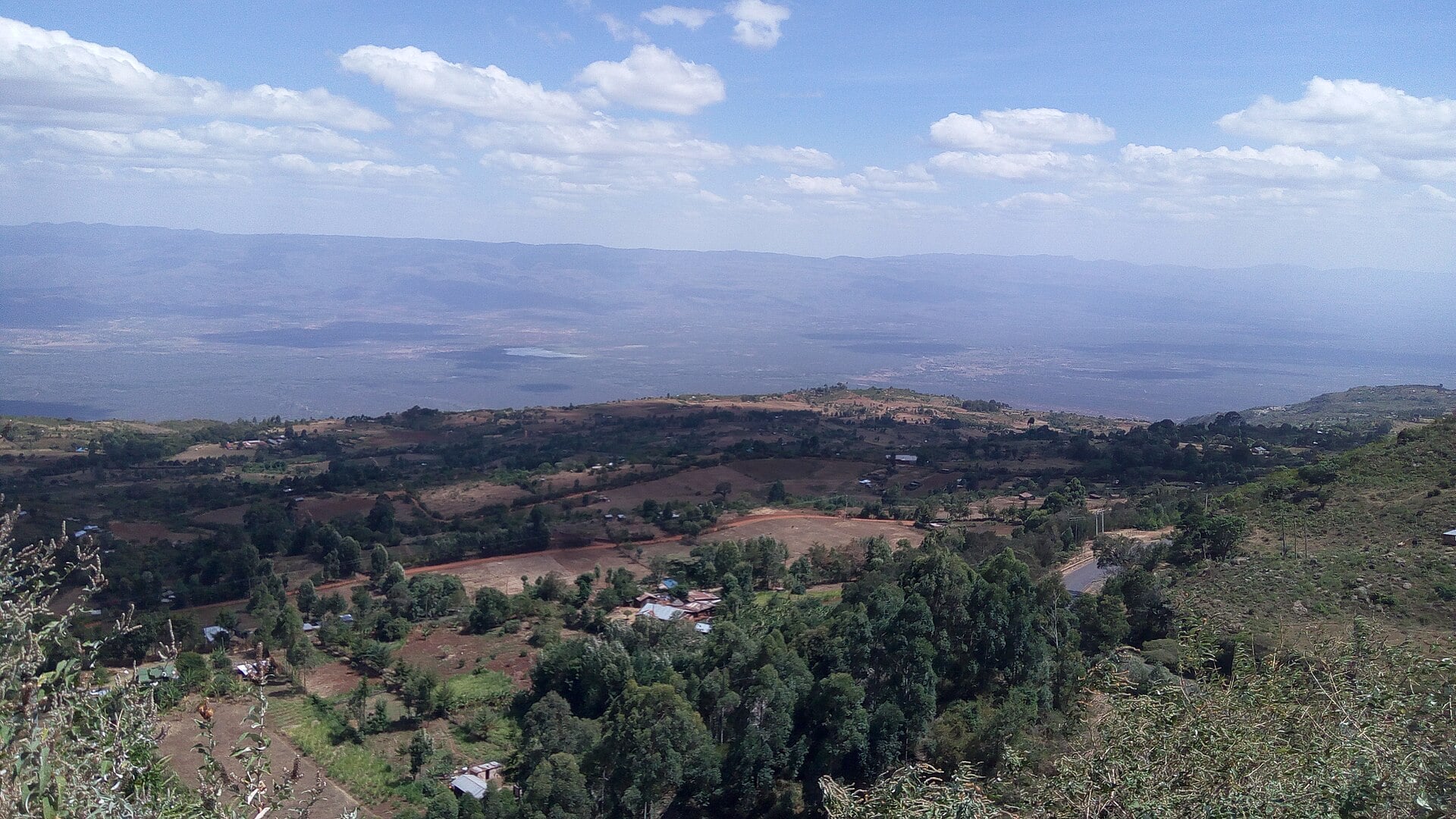
Garissa and Isiolo are neighbouring counties in Kenya’s dry north, and police say the Tuesday attack was linked to an earlier dispute over grazing fields. Earlier deadly clashes on this border were reported in 2019, so the pattern is not new.
We have not found a published police tally of past clashes on this border, so we do not rank this attack against them. What is on the record is narrower: a revenge cycle that began with one killing on Monday, a police pledge of an operation, and lawmakers who say warnings were ignored.
In Plain English
Modogashe is a town on the Garissa-Isiolo border, and Lagdera is the parliamentary constituency around it. A member of parliament is the elected representative for such an area, and county police commanders lead policing for a county.
What It Means for Readers
The people most affected are herding families on both sides of the border, whose herds were the target of the raid. For anyone planning to travel in northern Kenya, the sensible step is to check the live Kenya advisory of the US State Department and local police guidance before moving.
What to Watch
Police have not announced a start date for the promised operation, and we found no scheduled court date or parliamentary debate on the killings. Readers should look for the first arrests, any disarmament drive in Lagdera, and a revised official death toll.
What Is Not Known
Police have not named the attackers, and we do not name a community. The exact toll of the Tuesday raid, the ages of the children and the number of animals taken are all unconfirmed.
It is also not known whether the Monday killing and the Tuesday attack involved the same groups. The police commanders have not said how long the operation will last.
Frequently Asked Questions
How many people were killed in the Garissa-Isiolo clashes?
Nine people had been killed since Monday 16 November 2026, according to local officials and lawmakers on Wednesday 18 November. Police said the toll could still rise.
Where did the attack happen?
The Tuesday evening attack hit Janju village, also spelt Chanju, near Modogashe in the Lagdera area of Garissa County. The village lies close to the Isiolo border.
What caused the violence?
Police link the attack to an earlier dispute over grazing fields, and it followed the killing of a herder on Monday. Police have not named the attackers.
Has anyone been arrested?
No arrests had been announced by Wednesday, 18 November. Garissa County Police Commander Joshua Kasyoka said a multi-agency operation would begin.
Sources: Eastern Region Police Commander Stephene Chebet and Garissa County Police Commander Joshua Kasyoka, public statements of 18 November 2026; Lagdera MP Abdikadir Mohamed and Dadaab MP Farah Maalim, public statements of 18 November 2026.
This article was produced by The Rio Times’ automated AI newsroom. Editorial responsibility: Matthias Camenzind, Publisher and Editor-in-Chief. The Rio Times also runs Ask Rio Times, which answers from 100,000+ of our own articles, the daily Latin America Power Map, and prediction-market odds on elections and markets.. How we use AI · Report an error