Kenya Fuel Prices Hold Steady for a Month, and a Third of What Drivers Pay Is Tax
KENYA · ENERGY
Key Facts
- —How it works Kenya sets a legal maximum pump price every month. Stations may charge less, never more.
- —This cycle Prices are unchanged from 15 September to 14 October 2026, for petrol, diesel and kerosene.
- —What it costs In Nairobi petrol is about US$1.65 a litre, diesel US$1.68 and kerosene US$1.48.
- —The tax share Taxes and levies make up 34.5% of the petrol price, about US$0.57 on every litre.
- —Not one price The schedule covers 223 towns. Mombasa is cheapest and remote northern towns dearest.
- —The catch Kerosene carries a negative subsidy line. Its users are cross-subsidising the other two fuels.
Kenya publishes a maximum pump price for 223 towns every month. It is one of the few countries that does.
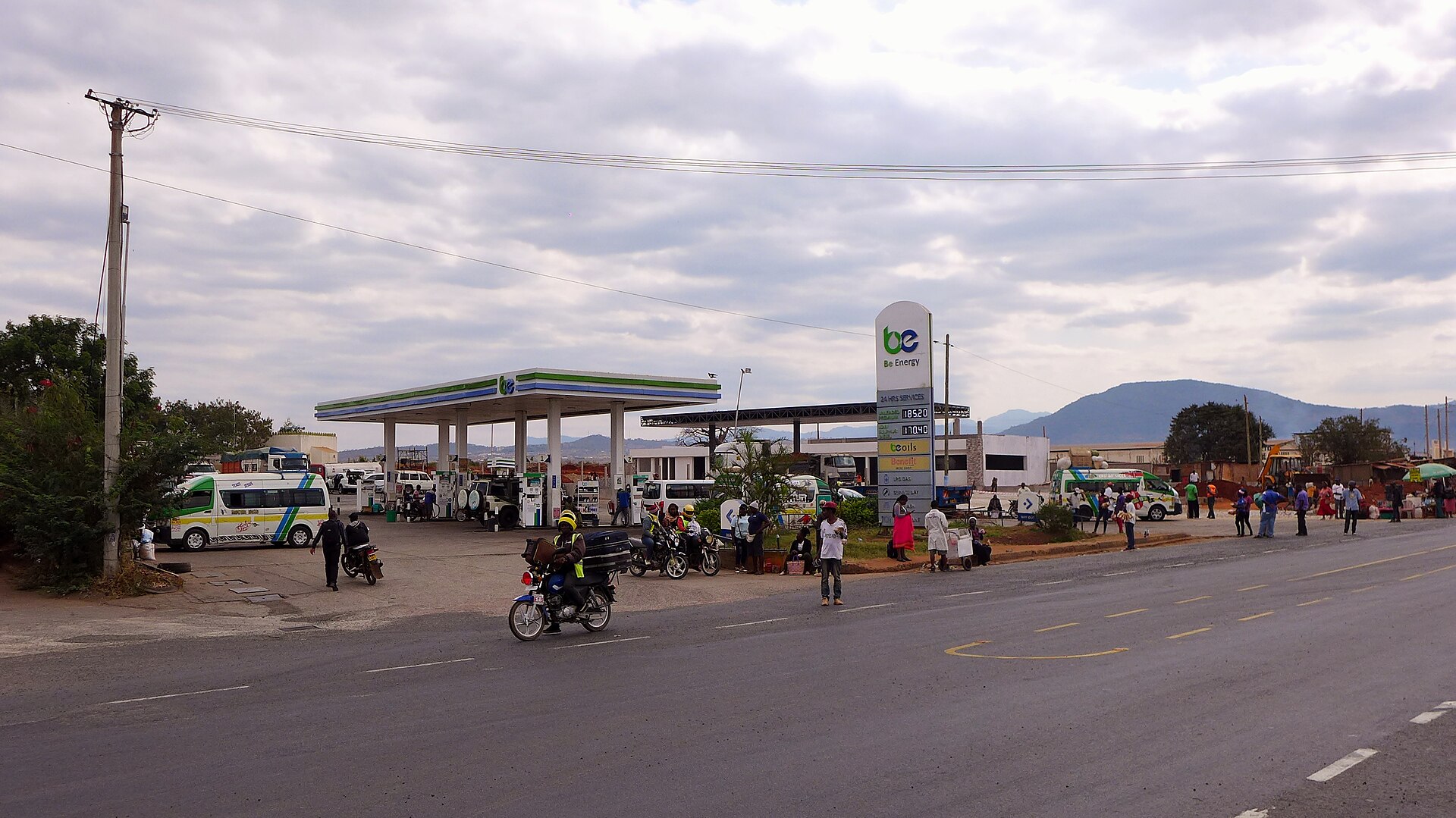
In most countries the price of petrol is whatever the station down the road decides to charge. Kenya fuel prices work differently.
Once a month the regulator publishes a legal maximum for every town, and stations may charge less but never more. On Monday it said nothing would move at all.
What Was Announced
The Energy and Petroleum Regulatory Authority issued its schedule on 14 September 2026, covering the cycle from 15 September to 14 October. Its wording is unambiguous.
The maximum allowed pump prices for super petrol, diesel and kerosene all remain unchanged. That is all three products, across the whole schedule.
In Nairobi, petrol stays at KSh214.03 a litre, about US$1.65. Diesel is KSh217.86, or about US$1.68.
Kerosene holds at KSh191.38, about US$1.48 a litre. All three are maxima rather than prevailing prices.
Those conversions use the central bank’s official rate on the day, 129.49 shillings to the dollar. Diesel costing more than petrol is normal in Kenya and surprises visitors from Europe.
Nairobi Is Not Kenya
The capital’s price is the one everyone quotes, and it is not representative. The schedule runs to 223 towns.
Mombasa on the coast is the cheapest, because that is where the fuel lands. Remote northern towns are the dearest, and the gap runs to roughly 8%.
The spread is the cost of moving fuel across a large country with difficult roads. A driver in the far north pays noticeably more than one on the coast.

What You Are Actually Buying
The regulator publishes the full build-up of the price, which few countries do. For petrol in Nairobi this cycle it breaks down as follows.
The fuel itself accounts for 53.5% of what a Nairobi driver pays for petrol. Distribution and storage take 2.3%, and wholesale and retail margins 9.1%.
Taxes and levies take the remaining 34.5%. On a litre costing about US$1.65, roughly US$0.57 goes to the state.
For diesel the tax share is 29.4%, and for kerosene 26.3%. A Kenyan filling a tank is paying the exchequer roughly a third of the bill.
The largest single item is a road maintenance levy, charged on petrol and diesel but not on kerosene. Excise duty on petrol runs at nearly double the diesel rate.
Value added tax and a petroleum development levy account for most of the rest. Kerosene carries its own anti-adulteration levy, which exists to stop it being blended into diesel.
The Subsidy Line That Runs Backwards
Buried in the same table is a subsidy row, and it does not point the way most readers would expect. Petrol and diesel both receive a small positive amount.
Kerosene carries a negative figure of about US$0.10 a litre. Its users are not being subsidised at all, they are paying in.
That matters because kerosene is the poor household’s fuel in Kenya, used for lighting and cooking off the grid. A mechanism meant to smooth prices is taking from that group.
The anti-adulteration levy compounds it. Kerosene is taxed heavily precisely because it is chemically close to diesel and gets illegally blended into it.
Why the Freeze, and What Comes Next
A month of unchanged prices is not a policy decision so much as an arithmetic outcome. Global product costs, the shilling and the levies happened to land in roughly the same place as last month.
One caution for anyone reading the regulator’s own website. Its price index widget currently shows a diesel fall, and that belongs to the August cycle.
No cut has been made this month. The next review will set prices for the cycle beginning 15 October 2026.
For Kenyan households the freeze is a small mercy in a year of rising costs. For the treasury, a third of every litre keeps arriving regardless.
More: Africa news in English, every day from The Rio Times.
Frequently Asked Questions
Have Kenya fuel prices changed this month?
No. The Energy and Petroleum Regulatory Authority kept maximum pump prices unchanged for petrol, diesel and kerosene for the cycle from 15 September to 14 October 2026.
What does petrol cost in Nairobi?
KSh214.03 a litre, about US$1.65 at the central bank rate of 129.49 shillings to the dollar. Diesel is KSh217.86, about US$1.68, and kerosene KSh191.38, about US$1.48.
How much of the price is tax?
34.5% of the petrol pump price, roughly US$0.57 on a litre costing about US$1.65. On diesel the share is 29.4% and on kerosene 26.3%.
Is the price the same everywhere in Kenya?
No. The schedule sets a separate maximum for 223 towns. Mombasa on the coast is cheapest and remote northern towns are dearest, a spread of roughly 8%.
Why does kerosene carry a negative subsidy?
The pricing structure currently takes about US$0.10 a litre from kerosene rather than giving to it. Kerosene also carries an anti-adulteration levy to deter its illegal blending into diesel.
Sources: Energy and Petroleum Regulatory Authority press release and annexes of 14 September 2026, and Central Bank of Kenya daily exchange rates.
This article was produced by The Rio Times’ automated newsroom system. How we use AI · Report an error
Read More from The Rio Times