The Kast Cadem Grade of 3.4 Is Not a Fall. It Is the First Time the Question Was Asked.
CHILE · GOVERNMENT
Key Facts
- —The grade An average of 3.4 on Chile’s 1-to-7 school scale, where 4.0 is a pass.
- —The poll Cadem study 689, published Sunday 13 September, fieldwork on 11 September, 1,000 online cases.
- —No margin It is a non-probabilistic online panel. Cadem publishes no margin of error for it.
- —His answer Kast blamed the fuel price shock and unemployment on Radio Agricultura on Monday.
- —Unemployment 9.5% for the May to July quarter, published 28 August. The 8.9% figure is stale.
- —The catch There is no earlier grade. The question was asked once, so nothing has fallen.
Four separate numbers in this story are routinely reported wrong. Here is each of them, checked.
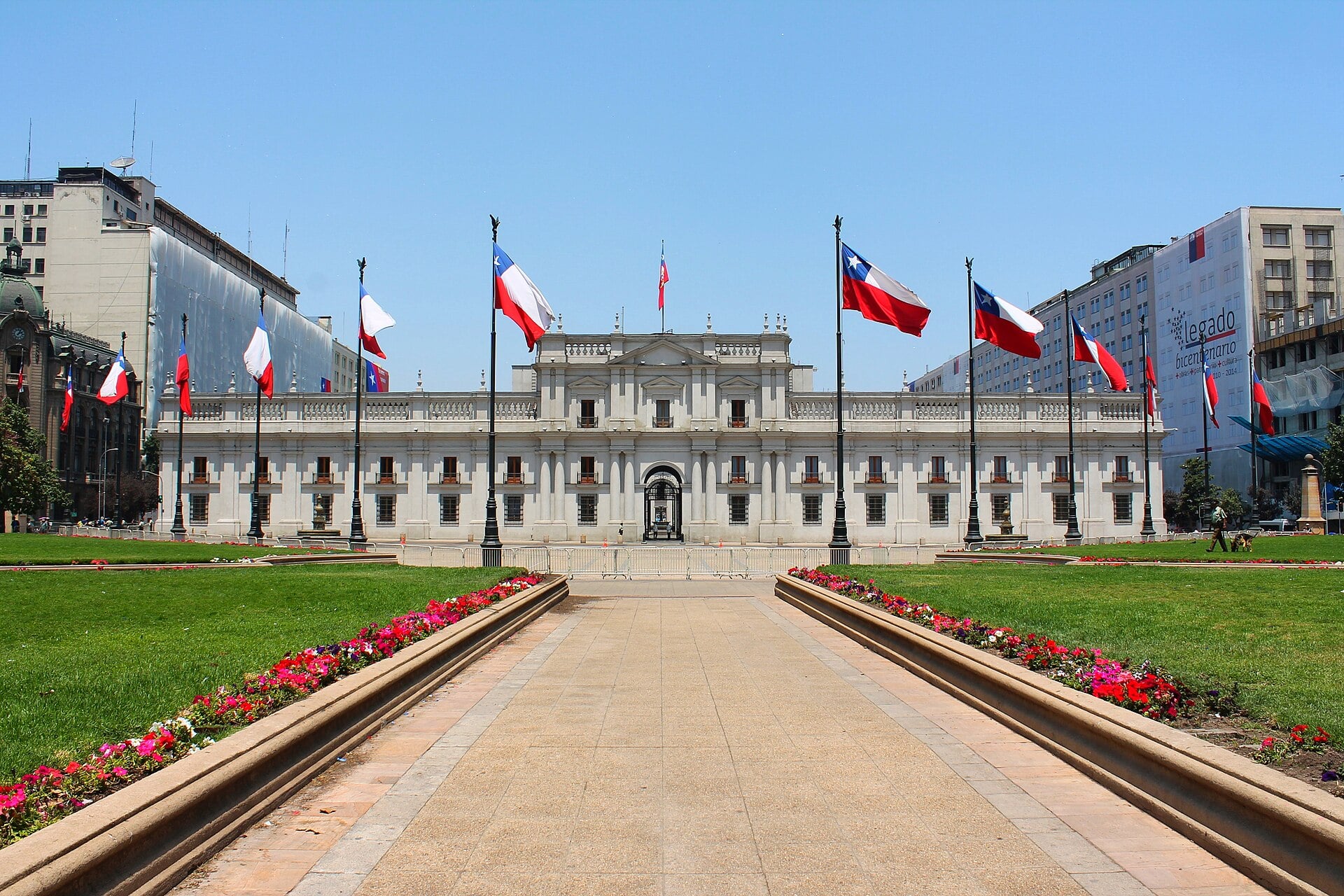
The Kast Cadem grade of 3.4 out of 7 has been reported across Chile as a decline. It is the first time the pollster has asked the question.
That does not make the number good news for the government. It does mean that anyone writing about a fall is describing a trend that has not been measured.
What the Poll Asked
The Kast Cadem grade comes from study 689, published on Sunday, 13 September 2026. The fieldwork was a single day, 11 September, the exact six-month mark.
The question was direct. President Kast has completed six months in government, and on a scale of 1 to 7, what grade would you give him.
The average was 3.4. On the Chilean school scale, 4.0 is the pass mark, so this is a failing grade.
There is no earlier reading because the question was framed around the six-month anniversary. No 100-day or one-month version exists.
The Missing Margin of Error
Several accounts have attached a margin of error to this figure. Cadem publishes none, and the reason is methodological.
Since 11 March 2026, Plaza Publica Cadem has run on the firm’s own web panel rather than by mobile telephone. It surveys 1,000 cases twice a week instead of 700 once a week.
The sampling is non-probabilistic, with quotas by age, zone and socioeconomic level. Results are weighted by sex, age, zone, socioeconomic level and 2025 runoff vote.
A non-probabilistic sample has no sampling error to report. Any figure presented as one has been invented somewhere along the chain.
What Did Fall
Approval is the series with history, and it has moved considerably. At the 100-day mark in June, Cadem had Kast at 44%.
On 3 September it recorded 34%, on 6 September 36%, on 9 September 35% and on 13 September 34%. Disapproval reached 62%, the highest of his term.
That is ten points of approval lost since June. It is a real decline and it is the number the story should hang on.
The last fortnight is noisier than a straight line, though. The series dipped, bounced two points, then slid back, and it is now published twice a week.
Kast’s Own Explanation
The president answered on Radio Agricultura on Monday, 14 September. He attributed the decline to fuel prices and to unemployment.
On the poll he said he has always maintained that one must speak the truth, and that the truth hurts. The Spanish is impersonal and does not translate as a first-person plural.
On fuel he said the initial blow was the bencinazo, and that the alternative urged by some was to indebt the country. He asked how catastrophes and housing would then have been funded.
On unemployment he cited a lack of work evident over forty months, whose consequences the country is still paying. He referred to roughly 900,000 people without work.
What the Bencinazo Actually Was
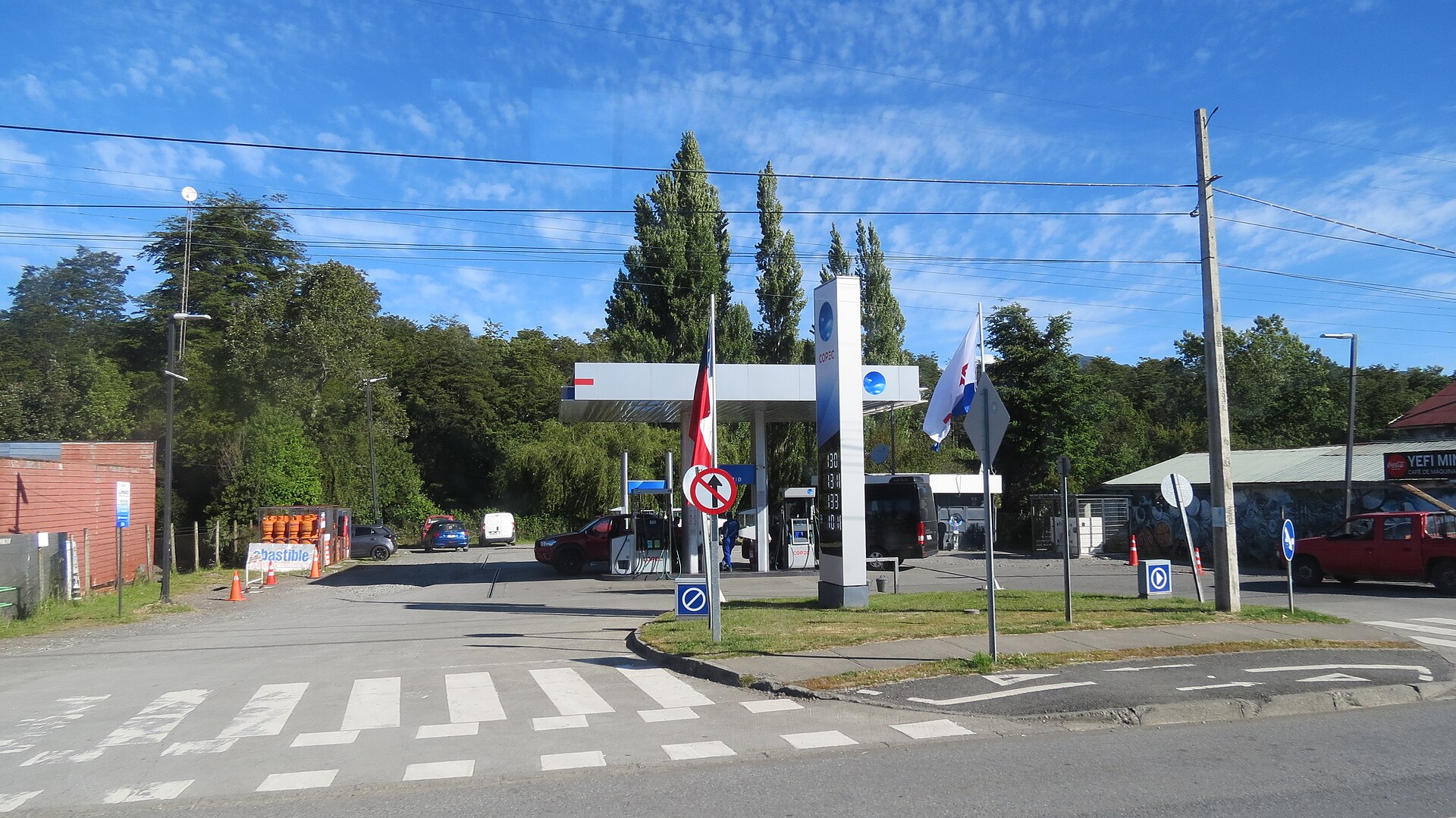
It was not a tax rise. On 23 March 2026 the finance minister announced changes to MEPCO, Chile’s fuel price stabilisation mechanism.
From 26 March the government stopped absorbing the accumulated global increase and passed it through in a single week. It was the largest one-week rise on record.
Ninety-three octane petrol rose by 372 pesos a litre, about US$0.39, and diesel by 580. In Santiago that took 93 octane from 1,168.9 to 1,538.9 pesos, or about US$1.60 a litre.
The fiscal arithmetic drove it. The mechanism was costing around US$140m a week, with absorbing the full increase costed at up to US$4bn.
Prices have kept climbing. The adjustment effective 10 September was the third consecutive rise.
It added 35 pesos a litre to petrol and 81 pesos to diesel, or about US$0.04 and US$0.08. The three rises together exceed US$0.10 a litre.
The Unemployment Number in Circulation Is Wrong
The latest figure from the statistics institute is 9.5%, for the May to July moving quarter, published on 28 August. It is up 0.8 points year on year.
A figure of 8.9% still circulating dates from the January to March quarter. The series has risen at every release this year, from 8.3% through 9.1% and 9.4%.
Women are at 10.3% and men at 8.9%, which may be where the confusion started. The next release is due around 30 September.
One Pollster Moved the Other Way
Criteria, which also runs an online panel, had Kast at 33% on 30 August and 30% on 6 September. On 13 September it had him at 31%, with disapproval down three points to 55%.
So in the identical week, Cadem has him drifting down and Criteria has him ticking up. The two houses are three points apart on approval and seven on disapproval.
Pulso Ciudadano recorded an eight-point recovery on 30 August and has published nothing since. No comparison with the previous president at the same point is possible, because Cadem never asked him for a grade.
More: Chile news in English, every day from The Rio Times.
Frequently Asked Questions
What is the Kast Cadem grade?
An average of 3.4 on Chile’s 1-to-7 school scale, in which 4.0 is a pass. It was published on 13 September 2026 from fieldwork conducted on 11 September.
Did his grade fall?
No earlier grade exists. Cadem asked the question once, framed around the six-month mark, so there is nothing to compare it with. His approval rating has fallen, from 44% in June to 34%.
What is the margin of error?
There is none. The poll is a non-probabilistic online panel of 1,000 cases, and Cadem publishes no margin of error or confidence level for it.
What was the bencinazo?
A change to Chile’s MEPCO fuel price stabilisation mechanism on 26 March 2026, which passed accumulated global increases through to the pump in one week. Petrol rose 372 pesos a litre, about US$0.39.
What is Chile’s unemployment rate?
9.5% for the May to July moving quarter, published on 28 August 2026. The 8.9% figure still in circulation is the January to March reading.
Sources: Cadem study 689 and its technical sheet, Cooperativa, The Clinic, La Nacion, La Tercera, Emol and the National Statistics Institute.
This article was produced by The Rio Times’ automated newsroom system. How we use AI · Report an error
Read More from The Rio Times