Where to Eat Japanese Food in Mexico City: A Foodie’s Guide
Mexico · Food
Key Facts
- Tori Tori — Contemporary Japanese at Temístocles 61, Polanco, blending old techniques with a modern twist.
- Tonchin CDMX — Top ramen at Paseo de la Reforma 380, Juárez, plus an izakaya ranking in Cuauhtémoc.
- Gori Gori — ’El ramen chilango’ at Av. Jalisco 145, Tacubaya, a local favorite for a hearty bowl.
- Ichiraku Ramen — Miso and shoyu ramen plus gyozas at Avenida Miguel Ángel de Quevedo 1144, Coyoacán.
- Yoshimi — Upscale Japanese dining inside Hyatt Regency, Campos Elíseos 204, Polanco.
- Wagyu Jyube — Sushi standout at Zacatecas 145, Roma Norte, for a polished dinner.
- Chopsticks — Omakase where Japanese and Mexican cuisines meet in Coyoacán.
From Polanco omakase to ramen in Tacubaya, the capital’s Japanese food scene is deeper than sushi. Here’s your curated crawl.
Japanese food in Mexico City is a full-blown foodie adventure, stretching from chic Polanco to bohemian Coyoacán. If you’ve only tried the sushi spots near your Airbnb, you’re missing out. This guide walks you through the best bowls, omakase counters, and izakaya bars, with addresses and tips for 2026.
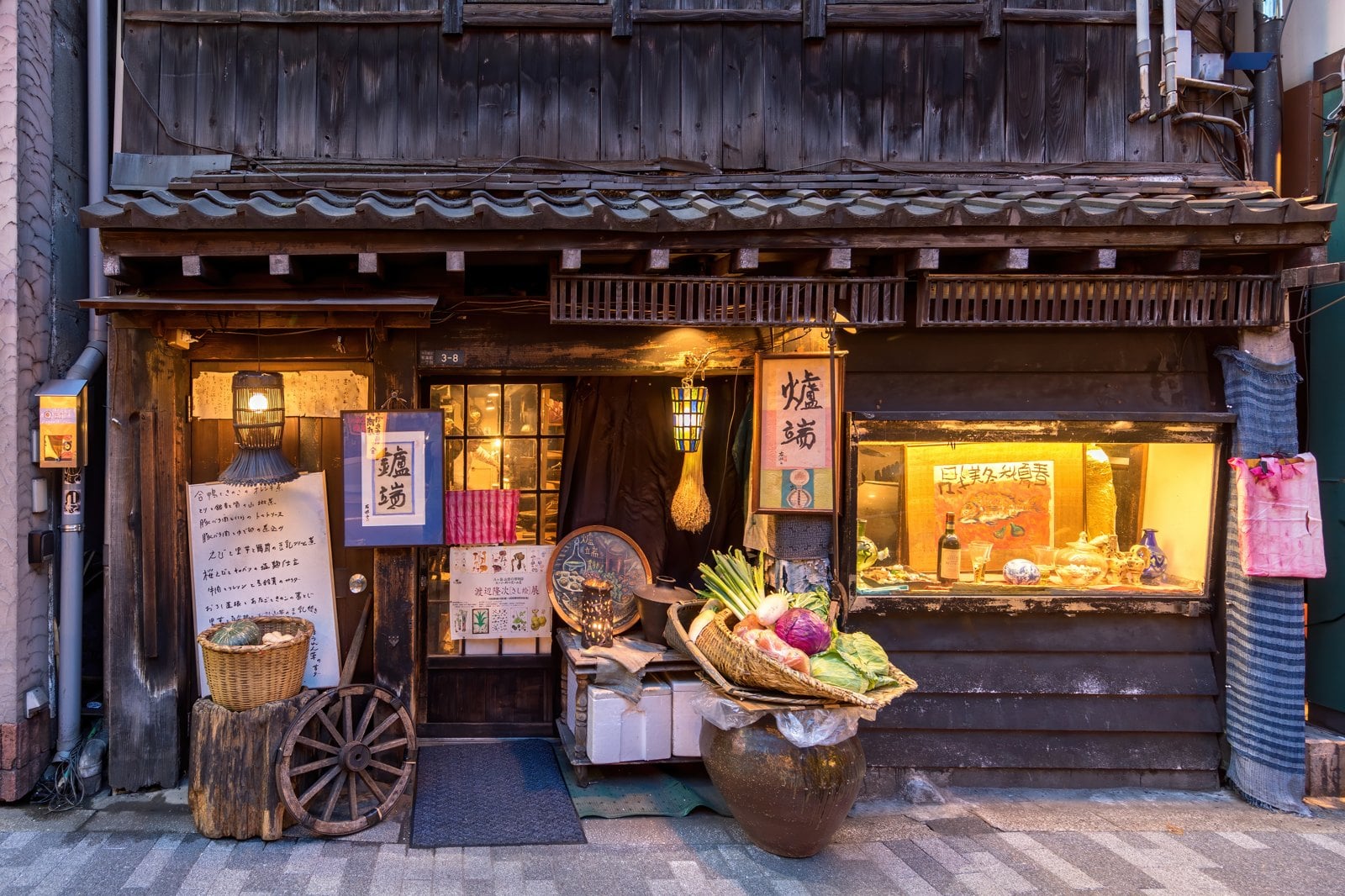
Start in Polanco: The Heart of Upscale Japanese Dining: Japanese food in Mexico City
Polanco is the obvious first stop. It’s the capital’s most polished neighborhood for Japanese food in Mexico City, with a row of names that could rival Tokyo’s finest.
Tori Tori sits at Temístocles 61, a short walk from the green spaces of Parque Lincoln. El Universal calls it a contemporary take on Japanese cuisine, so expect dishes that play with tradition rather than copy it.
Yoshimi, inside the Hyatt Regency at Campos Elíseos 220, offers a more luxurious experience. Its omakase menu lets the chef lead the way, with each course a surprise.
For a lighter bite, Señora Tanaka on Av. Pdte.
Masaryk 169 brings a smart, modern vibe to classic sushi. It’s a favorite for those who want elegance without the formality.
Ramen Crawl: From Reforma to Tacubaya
Ramen lovers, this is your city. Tonchin CDMX, at Paseo de la Reforma 380 in Juárez, tops OpenTable’s list of best ramen spots.
Its setting mixes sleek modern with a touch of chaos, just like the city itself. The broth is rich, the noodles are springy, and the crowd is all Mexico City.
For a more local vibe, head to Gori Gori in Tacubaya. At Av.
Jalisco 145, Local 14, inside the Ermita building, this place serves what Nación Digital calls ’el ramen chilango’.
Don’t skip the gyozas here either. They’re crispy, juicy, and perfect with a cold beer.
If you’re exploring the south, Ichiraku Ramen in Coyoacán is a peaceful option. At Avenida Miguel Ángel de Quevedo 1144, near Parque San Andrés, it offers miso and shoyu ramen in a leafy setting.
It’s perfect after a stroll through the colonial streets. The quiet patio is a nice break from the city’s buzz.
Izakaya Nights and Sushi Bars in Cuauhtémoc and Roma
For a relaxed evening of small plates and drinks, the Cuauhtémoc area shines. OpenTable ranks Tonchin CDMX first among izakayas in Centro, while Rokai adds a grill-focused option in the same zone.
Roma Norte, meanwhile, is your sushi destination. Wagyu Jyube at Zacatecas 145 mixes high-quality fish with a creative touch, making it a favorite for both expats and locals.
It’s a small spot, so book ahead if you can. The chef’s specials often highlight local seafood with a Japanese twist.
Back in Polanco, Señora Tanaka offers another polished choice. It’s listed among OpenTable’s best sushi dining, and it delivers a smart, contemporary take on Japanese classics.
Why This Scene Matters for Expat Life
Living in Mexico City means adapting to local rhythms, but the food scene is one of the easiest ways to feel at home. Japanese food in Mexico City is more than a trend; it’s a deep-rooted tradition with real quality.
For newcomers, these restaurants offer a taste of familiarity without sacrificing adventure. You’ll find everything from a quick ramen lunch to a multi-course omakase, often at prices far below what you’d pay in New York or London.
Plus, exploring these neighborhoods helps you learn the city. A ramen crawl through Tacubaya shows you a side of Mexico City most tourists never see.
That’s the kind of experience that turns a visit into a life. It’s also a great way to meet people, whether you’re sharing a table at Gori Gori or chatting with the chef at Yoshimi.
How to Eat Well
Mexico City’s food scene reaches far beyond tacos. Waves of immigration have given the capital strong Japanese, Lebanese and Korean kitchens.
Most of the best Japanese spots sit in Roma, Condesa and Polanco. Those are also the neighborhoods where many newcomers settle.
Reservations help at the smaller places. Several seat only a handful of diners at a counter.
Prices range widely. You can slurp a cheap bowl of ramen or splurge on an omakase tasting menu.
Many Japanese spots in the capital are run by second- or third-generation families. That long presence shows in the quality and the calm, careful service.
Do not skip the casual places. Some of the best gyoza and curry come from tiny, no-frills counters.
Lunch sets are the smart move for a budget. Many kitchens serve their best dishes at a fraction of dinner prices.
Practical Tips for Your Japanese Food Crawl
First tip: avoid the 2pm lunch rush. Mexicans eat late, but these spots get busy between 2 and 4pm.
Arrive before that, or be ready to wait. A little patience goes a long way.
Second tip: learn a few Spanish phrases. ’Una mesa para dos, por favor’ goes a long way in more local spots like Gori Gori.
For fancier places, English is usually fine, but a smile and a ’gracias’ never hurt.
Finally, don’t write off the suburbs. OpenTable’s lists extend to Satélite and Naucalpan, which have their own hidden gems.
But for a first taste, stick to the neighborhoods in this guide. You’ll get a solid overview of what the city has to offer.
Background: our pistilo mexico city bar guide guide.
More: Mexico news in English, every day from The Rio Times.
Frequently Asked Questions
What is the best way to get to these Japanese restaurants in Mexico City?
Use the Metro for central spots like Juárez and Cuauhtémoc. For Polanco or Roma, take an Uber or Didi, which is affordable. Tacubaya is easy by Metro too, but Coyoacán might need a car for convenience.
Do I need to make reservations at these Japanese restaurants?
For Polanco spots like Tori Tori and Yoshimi, yes, especially on weekends. Ramen places like Gori Gori are more casual, but you might still wait. Booking via OpenTable is common and reliable.
What’s the price range for a meal at these places?
Ramen bowls at Gori Gori or Ichiraku might cost around MXN 150-250 (US$29-49). For omakase at Yoshimi or Tori Tori, expect MXN 800-1,500 (US$157-294) per person. Sushi at Wagyu Jyube falls in the middle.
Are there vegetarian options at these Japanese restaurants in Mexico City?
Yes, most places offer vegetarian ramen or sushi options. Gori Gori has a veggie broth, and Ichiraku offers tofu-based bowls. At fine dining spots, ask the chef; they often adapt the omakase.
Connected Coverage
Sources: Elpais, Opentable, Adn40, Eluniversal, Mex-best
This article was produced by The Rio Times’ automated newsroom system. How we use AI · Report an error
Read More from The Rio Times