Mexico Panel Rejects Fracking In Key Basin, Eyes Saltwater Only
Mexico · Energy
Key Facts
- Ban recommended — The committee says no to fracking in the Tampico-Misantla basin.
- Saltwater only — Any future fracking elsewhere must use saltwater, not freshwater.
- 10 conclusions — The first suggestions include boosting renewables and saving energy.
- 75% import dependence — Mexico buys three-quarters of its gas, mostly from the US.
- 93% unconventional — Most US imports come from shale and other non-traditional fields.
- Two basins studied — Sabinas-Burro-Picachos and Burgos are still being looked at.
- Community consultation — Talking with local communities first is a required safeguard.
A scientific committee advises President Sheinbaum to ban fracking in Tampico-Misantla and restrict any future projects to saltwater, as Mexico seeks to cut US gas imports.
Mexico fracking is the story. Mexico’s expert committee has delivered its first verdict on fracking, and it’s a cautious no. On 6 August 2026, the panel recommended banning hydraulic fracturing in the Tampico-Misantla basin, while allowing further study of other basins only under strict conditions. The key condition: use saltwater only, not freshwater, alongside environmental safeguards and community consultation. President Claudia Sheinbaum said the government will consider the committee’s 10 preliminary conclusions as it weighs unconventional gas against growing import dependence on the US. For anyone living in or invested in Latin America, this decision shapes Mexico’s energy future and its $10 billion annual gas import bill, which affects regional energy prices and investment opportunities.
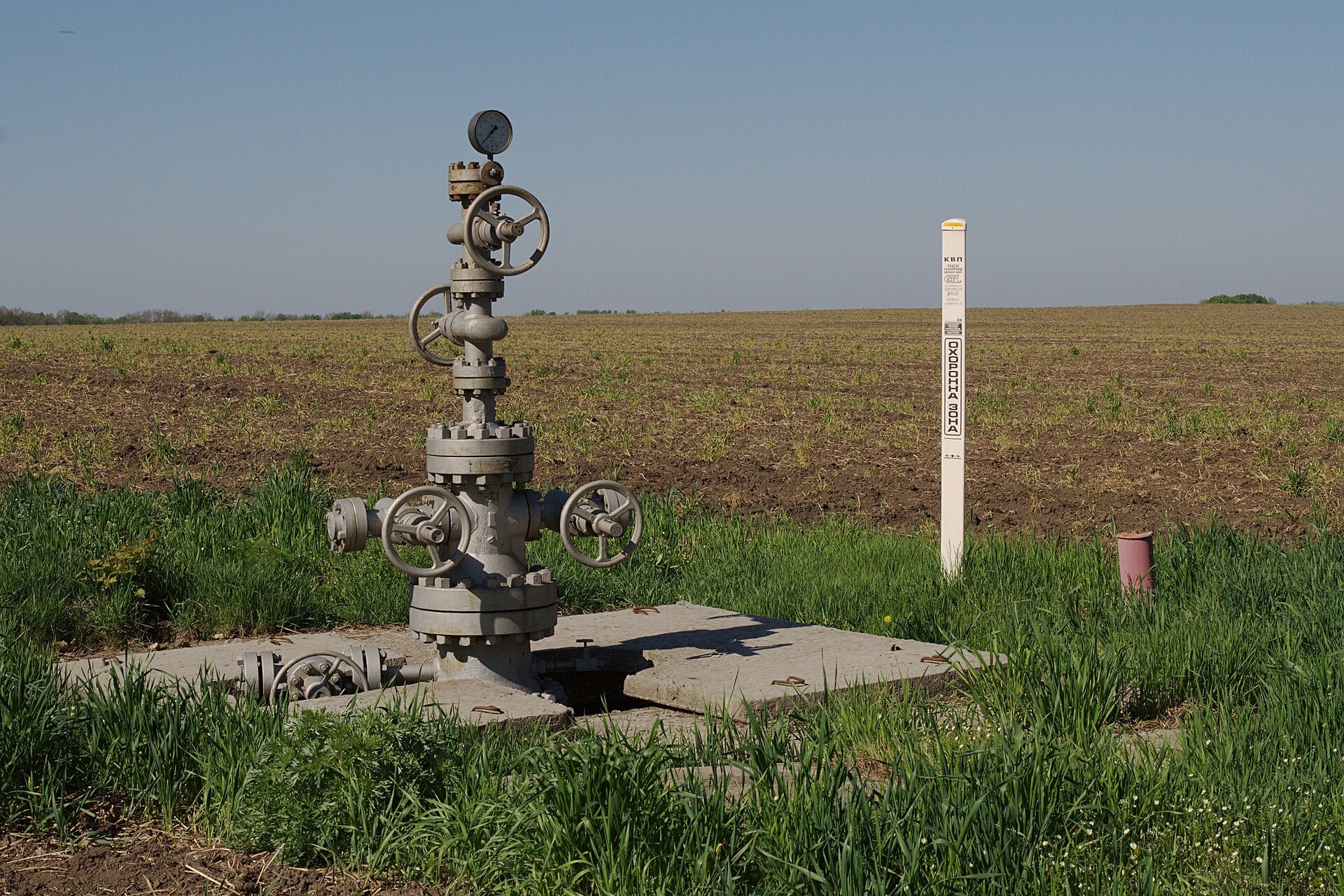
What the Committee Recommended: Mexico fracking
The panel’s main advice is to not proceed with fracking in Tampico-Misantla, an area with big shale potential. Instead, it suggests focusing on conventional gas output and confirming reserves through drilling before any further decisions.
For other basins, the committee proposes strict conditions: saltwater only, environmental safeguards, and prior consultation with local communities. It also calls for independent scientific monitoring of any pilot projects, according to El Financiero.
The committee’s 10 conclusions also include steps to speed up renewable energy and save more power at home. These moves could shrink the need for gas even if fracking never gets the green light.
The panel noted that Tampico-Misantla’s water stress is a major concern, and using freshwater for fracking could worsen shortages. That is why the saltwater requirement is central to any future pilot in other basins.
Experts also recommended that any test wells be spaced far apart to limit environmental impact. This cautious approach aims to gather data without risking large-scale damage.
Why Mexico Is Considering Fracking
Mexico imports 75% of the gas it uses, and most of that comes from the US, where 93% of production is from shale and other non-traditional methods. That reliance costs about $10 billion a year, and the government wants to cut it down for energy independence.
The Tampico-Misantla basin could hold significant shale gas, which might reduce those imports. But the committee’s caution reflects worries about water use and environmental harm, which is why it’s pushing for saltwater only and strict rules if fracking moves forward.
Saltwater, which is plentiful along the coast, would ease the strain on freshwater supplies in dry regions. The committee also wants baseline water quality studies before any test wells are drilled.
The basin’s proximity to existing pipelines and processing plants makes it an attractive target for development. However, the panel stressed that safety and environmental standards must come before speed.
Mexico’s growing industrial demand for gas, especially in the north, adds pressure to find domestic sources. Yet the committee’s recommendations show a preference for slower, more careful development.
The Contract Question for Investors
The committee did not propose a specific contract model, but Expansión reports that any commercial fracking would require competitive contracts to attract specialized firms. Mexico’s current mixed contracts, where Pemex keeps at least 40% participation, have only partially drawn private capital.
For foreign investors, this means opportunities remain uncertain. The government is still in an evaluation phase, and the committee’s recommendations will need to be translated into policy before any tenders.
The experts also stressed that any contracts must include clear rules for environmental liability and monitoring. That could make deals more attractive to firms that value predictable terms.
A competitive bidding process would likely be needed to bring in the technical expertise that Pemex lacks. Investors are watching closely, but most expect clarity only after the government issues its formal response.
The committee’s emphasis on transparency could help build trust with international partners. Still, analysts caution that policy shifts could happen once the final plan is announced.
What Happens Next
Sheinbaum said the government will study the 10 conclusions and decide on next steps. The committee also recommended boosting renewables and improving energy efficiency, which could reduce gas demand even without fracking.
The two northern basins, Sabinas-Burro-Picachos and Burgos, remain under study, but no timeline has been given. For now, Mexico fracking is on hold, and the focus is on conventional output and cleaner alternatives.
Officials will likely release a formal response in coming months, possibly with a roadmap for pilot projects. Public hearings could follow, giving communities a chance to weigh in before any final decisions are made.
Industry observers expect that any pilot projects, if approved, would be small and tightly monitored. That would allow the government to test the technology’s feasibility while respecting the committee’s caution.
Meanwhile, renewable energy projects could move forward faster, as the committee’s conclusions put them at the forefront. This dual track – cautious on fracking, proactive on clean power – appears to be the emerging strategy.
More: Mexico news in English, every day from The Rio Times.
Frequently Asked Questions
What did Mexico’s expert committee decide on fracking?
The committee recommended banning fracking in the Tampico-Misantla basin and only allowing further study of other basins under strict conditions, like using saltwater only and community consultation.
Why is Mexico considering fracking?
Mexico imports 75% of the gas it consumes, mostly from the US, and wants to reduce that dependence to strengthen energy sovereignty. Fracking could tap domestic unconventional reserves but comes with environmental risks.
Will foreign investors get to participate in Mexico fracking?
Not yet. The government is still evaluating options, and any commercial fracking would likely require competitive contracts. Current mixed contracts, where Pemex holds at least 40%, have been only partially successful.
What are the conditions for potential fracking in other basins?
The committee proposed using saltwater only, environmental safeguards, independent scientific monitoring, and prior consultation with local communities before any pilot projects.
Connected Coverage
Sources: Mexico’s Energy Ministry committee; Expansión; La Jornada; Reuters
This article was produced by The Rio Times’ automated newsroom system. How we use AI · Report an error
In depth
Read More from The Rio Times