IBOV 192,114.55 ▲ 2.63% IPSA 10,916.57 ▲ 0.08% IPC MEX 64,531.68 ▲ 1.10% MERVAL 2,767,663 ▲ 0.32% COLCAP 2,515.02 ▼ 0.59% BVL PERÚ 59,751.67 ▲ 0.18% USD/BRL5.22— 0.00% USD/MXN18.15▼ 0.83% USD/CLP989.60— 0.00% USD/COP3,263▼ 1.66% USD/PEN3.43▼ 0.53% USD/ARS1,524▼ 0.04% USD/UYU40.46▲ 3.55% USD/PYG5,821▲ 2.69% USD/BOB11.93▲ 2.09% USD/DOP59.90▲ 0.67% USD/CRC456.38▲ 3.02% USD/GTQ7.64▲ 3.14% USD/HNL26.86▲ 3.19% USD/NIO36.62— 0.00% USD/VES864.39▼ 0.13% USD/PAB1.00— 0.00% USD/BZD2.00— 0.00% USD/JMD 157.28 — 0.00% USD/TTD6.69▲ 1.67% EUR/BRL5.87▲ 0.03% BRENT 88.88 ▼ 0.03% WTI 83.11 ▼ 0.11% IRON ORE 161.91 — — COPPER 6.61 ▲ 0.03% GOLD 4,461 ▲ 1.78% SILVER 65.59 ▲ 1.26% SOY 1,184 ▲ 3.20% CORN 480.50 ▲ 10.02% WHEAT 655.00 ▲ 3.93% COFFEE 317.25 ▼ 5.51% SUGAR 16.43 ▼ 1.79% ORANGE JUICE 138.55 ▼ 0.47% COTTON 85.03 ▲ 2.33% COCOA 5,719 ▲ 3.18% BEEF 223.60 ▼ 3.93% CATTLE 339.10 ▼ 3.16% LITHIUM 75.20 ▲ 1.47% PETR4 41.64 ▼ 0.05% VALE3 72.97 ▲ 0.83% ITUB4 38.60 ▼ 1.03% BBDC4 16.85 ▲ 0.36% ABEV3 14.89 ▼ 0.80% BBAS3 19.37 ▲ 0.47% B3SA3 14.26 ▼ 0.21% WEGE3 47.59 ▲ 0.49% PRIO3 59.14 ▼ 0.19% SUZB3 41.33 ▲ 2.35% RENT3 34.68 ▼ 0.09% AZZA3 15.89 ▼ 2.63% CSAN3 3.22 ▼ 1.83% RAIZ4 0.25 — 0.00% PCAR3 2.75 ▼ 0.36% GMAT3 3.65 ▼ 1.08% PSSA3 48.13 ▼ 0.54% CVCB3 1.33 ▼ 2.92% POSI3 3.36 ▲ 2.44% SLCE3 13.34 ▲ 0.30% NATU3 8.14 ▼ 0.73% IBOV 192,114.55 ▲ 2.63% IPSA 10,916.57 ▲ 0.08% IPC MEX 64,531.68 ▲ 1.10% MERVAL 2,767,663 ▲ 0.32% COLCAP 2,515.02 ▼ 0.59% BVL PERÚ 59,751.67 ▲ 0.18% USD/BRL 5.16 ▲ 0.01% USD/MXN 17.06 ▼ 0.24% USD/CLP 913.98 ▲ 0.04% USD/COP 3,140 ▲ 0.03% USD/PEN 3.36 ▼ 0.66% USD/ARS 1,493 ▲ 0.10% USD/UYU 40.27 ▲ 1.24% USD/PYG 5,939 ▲ 1.68% USD/BOB 11.64 ▼ 0.76% USD/DOP 58.34 ▲ 1.25% USD/CRC 445.92 ▲ 0.89% USD/GTQ 7.62 ▲ 2.21% USD/HNL 26.79 ▲ 1.57% USD/NIO 36.62 ▲ 0.69% USD/VES 762.44 ▼ 0.13% USD/PAB 1.00 — 0.00% USD/BZD 2.00 — 0.00% USD/JMD 157.28 — 0.00% USD/TTD 6.70 ▲ 0.61% EUR/BRL 5.95 ▲ 1.01% BRENT 88.88 ▼ 0.03% WTI 83.11 ▼ 0.11% IRON ORE 161.91 — — COPPER 6.61 ▲ 0.03% GOLD 4,461 ▲ 1.78% SILVER 65.59 ▲ 1.26% SOY 1,184 ▲ 3.20% CORN 480.50 ▲ 10.02% WHEAT 655.00 ▲ 3.93% COFFEE 317.25 ▼ 5.51% SUGAR 16.43 ▼ 1.79% ORANGE JUICE 138.55 ▼ 0.47% COTTON 85.03 ▲ 2.33% COCOA 5,719 ▲ 3.18% BEEF 223.60 ▼ 3.93% CATTLE 339.10 ▼ 3.16% LITHIUM 75.20 ▲ 1.47% PETR4 41.64 ▼ 0.05% VALE3 72.97 ▲ 0.83% ITUB4 38.60 ▼ 1.03% BBDC4 16.85 ▲ 0.36% ABEV3 14.89 ▼ 0.80% BBAS3 19.37 ▲ 0.47% B3SA3 14.26 ▼ 0.21% WEGE3 47.59 ▲ 0.49% PRIO3 59.14 ▼ 0.19% SUZB3 41.33 ▲ 2.35% RENT3 34.68 ▼ 0.09% AZZA3 15.89 ▼ 2.63% CSAN3 3.22 ▼ 1.83% RAIZ4 0.25 — 0.00% PCAR3 2.75 ▼ 0.36% GMAT3 3.65 ▼ 1.08% PSSA3 48.13 ▼ 0.54% CVCB3 1.33 ▼ 2.92% POSI3 3.36 ▲ 2.44% SLCE3 13.34 ▲ 0.30% NATU3 8.14 ▼ 0.73%
since 2009
Sunday, October 4, 2026

Brazil Market Reports

Investors Brace for Brazil’s Last Chance to Restore Fiscal Credibility

By · November 19, 2024 · 3 min read

The Brazilian government stands at a crossroads, with its financial credibility hanging in the balance. Investors are watching closely as the administration prepares to announce a significant spending cut package.

This is seen as a crucial step to restore confidence in the economy. With looming presidential elections and a volatile international backdrop, the stakes couldn’t be higher.

Finance Minister Fernando Haddad and other top officials are currently engaged in discussions at the G20 meeting in Rio de Janeiro.

Meanwhile, the financial market anxiously anticipates details about proposed cuts totaling R$ 70 billion (around $12.28 billion) for 2025 and 2026.

Investors believe this is the government’s final opportunity to address widespread skepticism regarding its economic management.
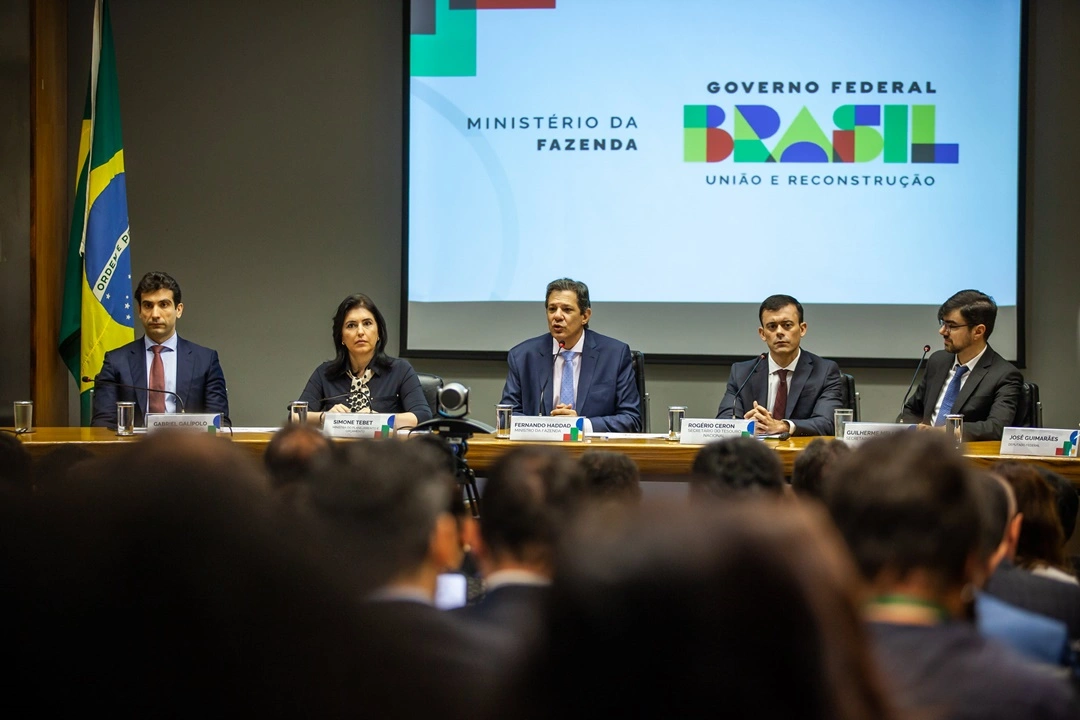
Investors Brace for Brazil's Last Chance to Restore Fiscal Credibility
Investors Brace for Brazil’s Last Chance to Restore Fiscal Credibility.
One-stop reference
Company Intelligence
Every listed company in Latin America — financials, ownership and structure for 1,450+ companies across 26 exchanges, in one place.
Browse the directory →
RT
Ask Rio Times
Latin American markets, currencies and companies.
Open the full Ask Rio Times →

However, clarity is sorely lacking. It remains unclear what specific programs will face cuts or if new restrictions on social programs will be implemented.

The LatAm Brief

One email, every weekday morning. What moved in Latin American markets, politics and expat life.

Yesterday’s subject line: “Brazil votes Sunday. A runoff follows if no one tops 50%”

Free. We send a confirmation link first — nothing arrives until you click it. Unsubscribe with one click in any edition. If you stop opening us for 30 days we stop sending by ourselves, as we assume the interest is no longer there. See our privacy policy. We never share your email.

Brazil’s Fiscal Challenges

Understanding whether these measures are permanent changes or temporary fixes is essential for gauging their real impact on Brazil’s fiscal health. The delay in announcing these cuts has raised concerns within the economic team.

Officials suggest that President Luiz Inácio Lula da Silva sought thorough discussions among ministries. However, the reality is that the dollar has surged during this waiting period.

This increase has been fueled by various factors, including Donald Trump’s election in the U.S., making it unlikely for exchange rates to return to previous levels.

Inflation expectations are also on the rise. The Central Bank‘s Focus Bulletin recently adjusted its projections for this year’s inflation rate from 4.5% to 4.64%, exceeding the target range.

Estimates for next year’s inflation have similarly increased, indicating a worrying trend that could affect everyday Brazilians. The root of these issues lies in Brazil’s fiscal risk, which exposes it to vulnerabilities amid global uncertainties.

The anticipated interest rate cuts in the U.S. are now expected to be less aggressive due to Trump’s inflationary policies. This will impact emerging markets like Brazil.

Since Lula took office, Brazil’s gross debt has jumped from 71.7% of GDP in December 2022 to 78.3% in September 2024. This alarming increase complicates the government’s ability to manage its debt effectively.

With a weaker real and persistent inflation pressures, Brazil risks entering a negative cycle. Rising distrust affects the dollar, which fuels inflation and drives up interest rates. This ultimately slows economic growth and worsens fiscal perceptions.

In extreme cases, Brazil could face “fiscal dominance,” where increasing interest rates alone cannot contain inflation expectations. This scenario would limit the government’s options and further erode public trust.

This article was produced by The Rio Times’ automated newsroom system. How we use AI · Report an error · Editorial responsibility: Matthias Camenzind, Editor-in-Chief

LatAm Markets: Live Signals → — real-time movers, turnover leaders and FX across Latin America.

Read More from The Rio Times

Rotate for Best Experience

This report is optimized for landscape viewing. Rotate your phone for the full experience.