Investing in Jamaica as a Foreigner 2026 — Costs, Title Checks and Real Risks
GUIDES · JAMAICA
Key Facts
- —What it is A small, open Caribbean economy rebuilding after a Category 5 hurricane, with no bar on foreign ownership.
- —Who it’s for Buyers of coastal or Kingston property, and investors in export services, logistics and zone-based manufacturing.
- —What it costs Transfer tax of 2% of market value, plus a flat stamp duty and negotiated attorney fees.
- —Why it matters A decade of debt reduction made Jamaica stable — a 2025 hurricane tested how durable that is.
- —The catch Unregistered title, some of the world’s costliest electricity and storm exposure are all documented costs.
Investing in Jamaica as a foreigner is legally open to almost anyone. The work is in the title, the filings and the currency.
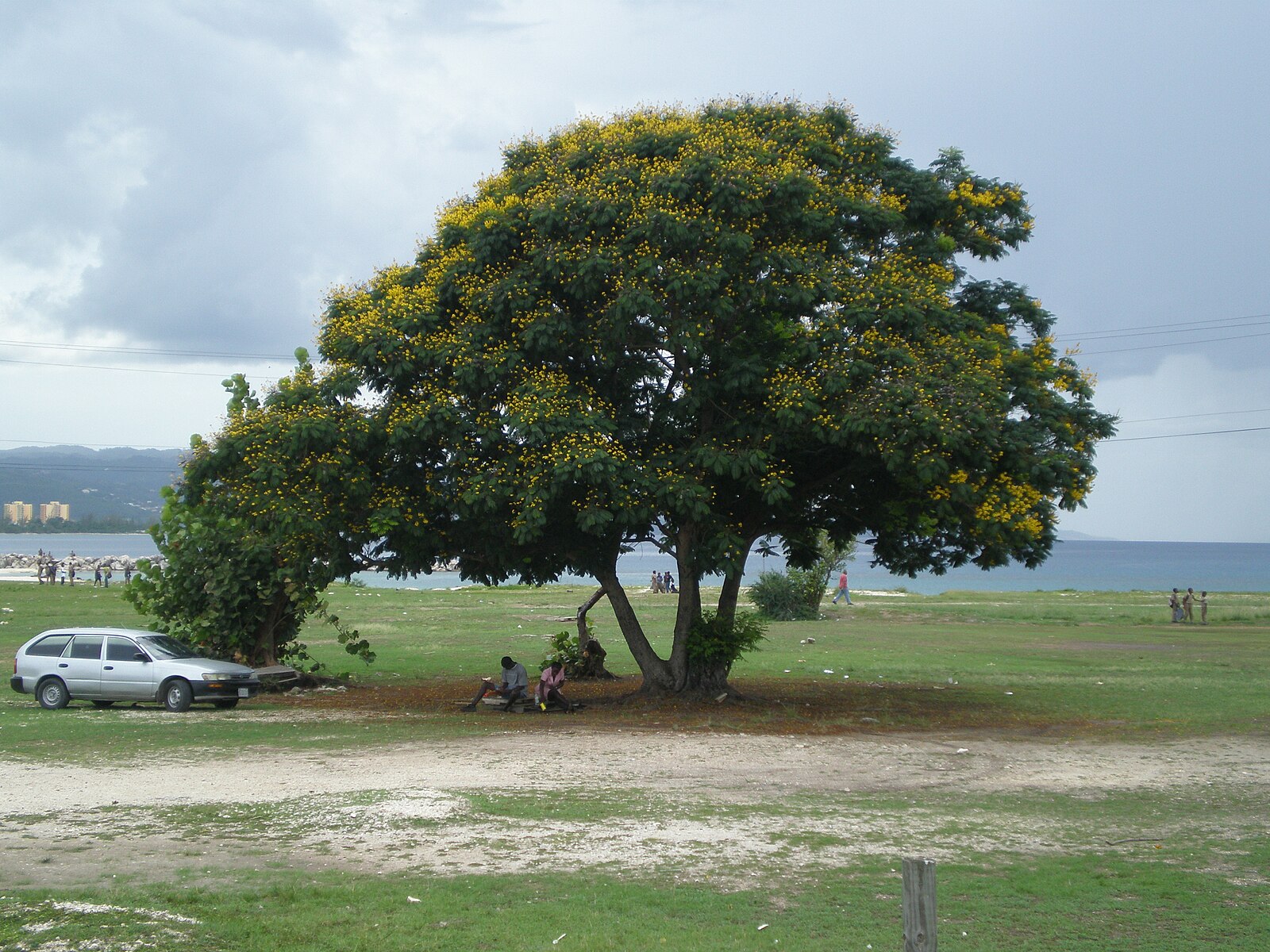
Investing in Jamaica as a foreigner is legally simple, because Jamaican law sets no cap on foreign ownership. The difficulty sits elsewhere: in the land register, the tax deadlines and the currency you finally count in.
The macro frame: a decade of debt cuts, then a hurricane
Investing in Jamaica as a foreigner starts with one unusual macroeconomic fact. Researchers at the National Bureau of Economic Research traced public debt from about 144% of GDP in 2012 to 72% in 2023.
The International Monetary Fund reported in June 2025 that public debt had recently slipped below 70% of GDP. The primary budget surplus for the 2024/25 fiscal year was about 5.9% of GDP.
Then Hurricane Melissa came ashore in western Jamaica on 28 October 2025 as a Category 5 storm. Jamaica’s Independent Fiscal Commission put damage and losses at 2.0 trillion Jamaican dollars (about US$12.6 billion), or 56.7% of 2024 output.
The finance ministry said in September 2026 that debt ended 2025/26 at 65.6% of GDP. That was better than the 68.9% projected right after the storm.
Output is still below where it was. The Planning Institute of Jamaica estimated a 3.5% contraction for January to June 2026 and expects growth to resume in the final quarter.
What the law actually lets a foreigner own
Jamaica does not limit foreign ownership or control, and its laws do not separate foreign investors from local ones. The 2025 United States investment climate report for Jamaica states that position plainly.
There is no general screening body for inbound investment and no alien landholding licence of the kind used across the Eastern Caribbean. Property rights are protected by the Constitution and the Registration of Titles Act.
JAMPRO, the state investment promotion agency, handles enquiries, site searches and incentive applications. It promotes and facilitates; it does not approve or veto your purchase.
So the legal question in investing in Jamaica as a foreigner is short and reassuring. The practical questions are longer, and they start with the title.
Buying property: the title is the real work
Jamaica runs a registered title system through the National Land Agency, which is an advantage over deeds-only jurisdictions. Registered title also makes mortgage lending easier to arrange.
But less than half of the island’s land is registered, according to that same 2025 United States report. Bringing an unregistered parcel onto the register can take years.
Adverse possession is a live risk rather than a textbook one. A person may claim private land after twelve years of undisturbed occupation, or government land after sixty.
This is why a Jamaican attorney runs the title search before any money moves. Title work is the true first cost of investing in Jamaica as a foreigner.
Transaction costs and the thirty-day clock
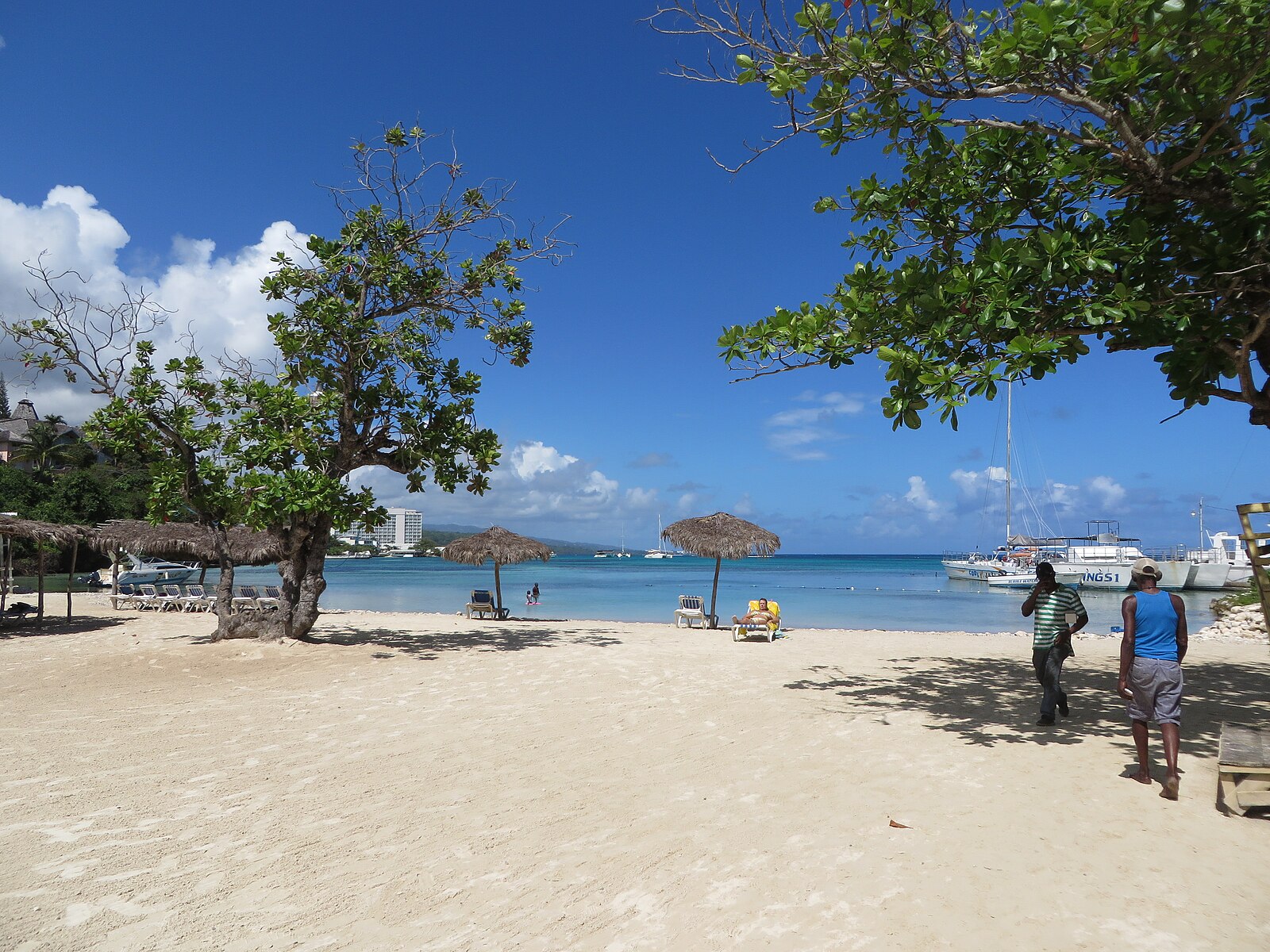
Transfer tax on property is 2% of the market value or the price, whichever is higher. It was cut from 5% on 1 April 2019 and made permanent by the Transfer Tax (Amendment) Act, 2019.
The same 2019 reform replaced percentage stamp duty with a flat charge. Stamp duty is now 5,000 Jamaican dollars (about US$32) per relevant document.
Below a transaction value of 500,000 Jamaican dollars (about US$3,160), the charge is 100 Jamaican dollars (about US$0.63) per document. All conversions here use 158.2 Jamaican dollars to the dollar at 21 September 2026 exchange rates.
Tax Administration Jamaica requires the instrument to be submitted for stamping within thirty days of execution. Late submission carries a penalty equal to the duty on the instrument.
Attorney fees are the larger line, and Jamaica publishes no official scale for them. Ask for a written quote covering search, conveyance, registration and general consumption tax.
Investing in Jamaica as a Foreigner Through the Stock Exchange
Public equity is the other open door. The Jamaica Stock Exchange runs three equity platforms: a Main Market, a Junior Market and a US dollar market.
The Junior Market is the interesting piece of policy. A company listing there pays no income tax for five years, then half the normal charge for five more.
The condition is that the company stays listed for fifteen years. Stated capital must sit between 50 million and 500 million Jamaican dollars (about US$316,000 to US$3.16 million).
The market as a whole is small. One market data service valued all listed Jamaican companies near 1.9 trillion Jamaican dollars (about US$12 billion) in early September 2026.
Treat thin trading as a cost rather than a detail. For most foreign portfolios this exchange is a satellite holding, not a core one.
Business, outsourcing and the special economic zones
Investing in Jamaica as a foreigner through an operating company rests on three advantages. They are English, North American time zones and a position on major shipping lanes.
Outsourced business services and logistics are the sectors that follow from those advantages. The formal route in is the special economic zone regime.
The Jamaica Special Economic Zone Authority runs that regime. Zone status carries a headline corporate income tax rate of 12.5%, which the authority says approved credits can reduce to 7.5%.
Zones also carry customs duty relief and no general consumption tax on specified goods entering them. What they cannot do is lower the electricity price, which often decides the model.
Tax basics: corporate rate, consumption tax and property tax
Ordinary companies pay corporate income tax at 25%. Regulated ones, such as banks and utilities, pay 33⅓%, while building societies pay 30%.
General consumption tax, Jamaica’s value-added tax, has a standard rate of 15%. The registration threshold rose to 15 million Jamaican dollars (about US$95,000) on 1 April 2025.
Property tax is charged on the unimproved value of land, in bands running from 0.50% to 0.90%. Those figures come from the most recent international tax summary, reviewed at 31 December 2025.
Non-residents face withholding tax of 33⅓% on some income, with dividends at 15% since 1 April 2025. Anyone investing in Jamaica as a foreigner should set the structure with a local tax adviser first.
Moving money and the currency reality
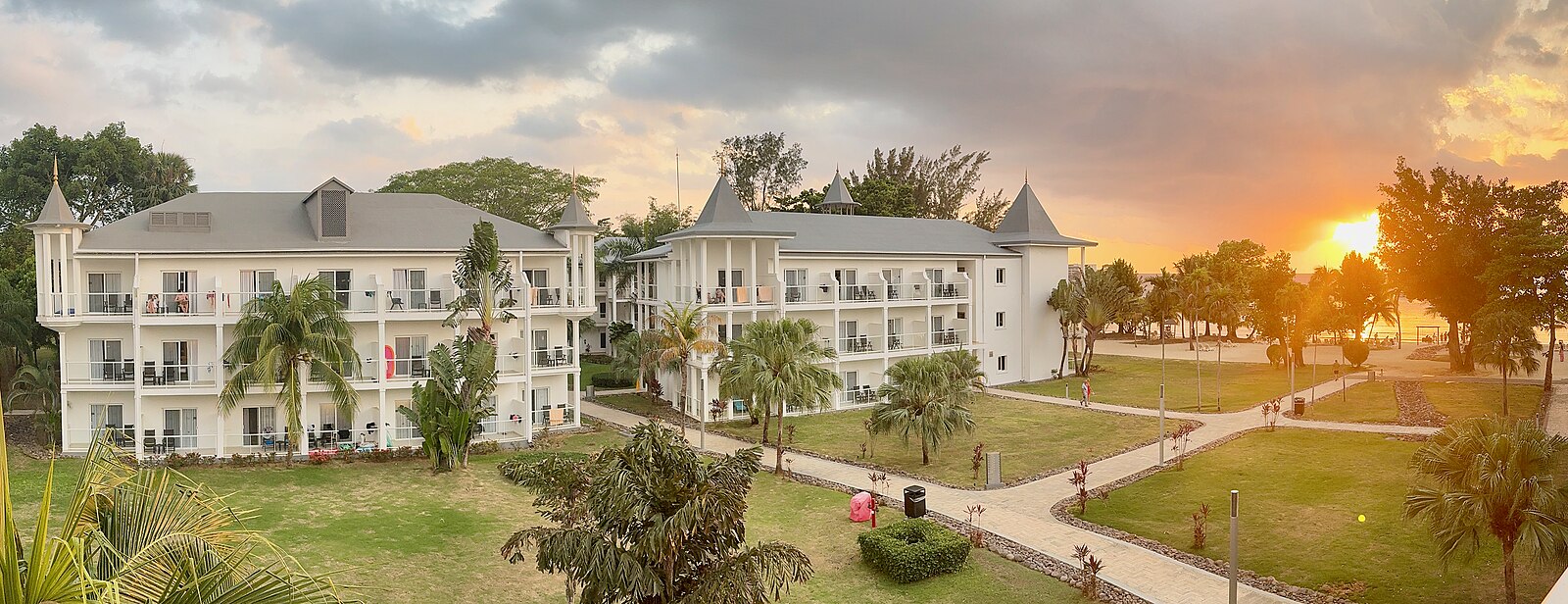
The Jamaican dollar floats, and the central bank says it will keep taking measures to preserve relative stability. In August 2026 it reported a marginal appreciation for the calendar year to date.
The policy rate has stood at 5.50% since 24 February 2026. Inflation was 7.5% in July 2026, above the central bank’s target range of 4.0% to 6.0%.
Exchange controls on repatriating profits were removed years ago, and liberalisation has continued. From 1 June 2026 pension funds may hold 15% of total assets abroad, up from 10%.
The extra five percentage points are restricted to foreign-currency securities from locally domiciled issuers. The rule for investing in Jamaica as a foreigner is plainer: count every return in two currencies.
The three risks you have to price in
Electricity comes first. A December 2025 price survey put Jamaican business electricity near US$0.237 per kilowatt-hour, roughly 144% of the world average.
System losses run close to 27%, much of that theft, and paying customers carry the cost. The main utility’s island-wide licence expires on 8 July 2027.
The Government gave notice in July 2025 that it will not renew that licence on current terms. Whether the renegotiation lowers business power bills is not yet known.
Storms come second, and Melissa showed the scale of what a single season can do. Check insurance availability, windstorm exclusions and the roof before you buy.
Crime comes third, and here the honest answer is that the measurements are old. Homicides have fallen sharply, yet business confidence slipped 6.5% in the most recent quarterly survey.
A September 2026 business analysis noted that the familiar crime-cost figures come from a 2001 survey. Nobody has re-measured what security actually costs a Jamaican firm today.
How Jamaica compares with the Dominican Republic and Barbados
The Dominican Republic offers scale that Jamaica does not. Its population is roughly four times larger, and its tourism and manufacturing bases are deeper.
Jamaica and Barbados both run on English common law, which most foreign buyers find easier to read. The Dominican Republic runs a civil-law system in Spanish.
Barbados has held its dollar at two to the US dollar for decades, so currency risk there is different in kind. Jamaica floats, and the Dominican peso floats with central bank management.
So the trade-off is legible rather than hidden. Jamaica offers common-law familiarity with a floating currency, Barbados a hard peg, the Dominican Republic sheer size.
What this changes for your money
Jamaica is neither a lottery ticket nor a trap. It is a small, open economy with an unusually good fiscal record and an unusually exposed coastline.
The spectrum runs from a clean registered title in an insured building to an unregistered plot backed by a verbal assurance. Your return depends mostly on where along that line you buy.
Investing in Jamaica as a foreigner rewards four checks made before the money moves. They are title, tax, insurance and your own currency exposure.
The direction of travel right now is recovery rather than boom. That is usually the phase in which unhurried buyers do best.
Connected Coverage
Cost of Living in Jamaica 2026: Kingston on US$1,265–2,215 a Month
Frequently Asked Questions
Frequently Asked Questions
Can a foreigner buy property in Jamaica without a local partner?
Yes. Jamaican law sets no limit on foreign ownership and does not distinguish foreign investors from nationals. There is no alien landholding licence of the kind used elsewhere in the Eastern Caribbean. A Jamaican attorney still handles the title search and the conveyance.
What taxes apply when a foreigner buys Jamaican real estate?
Transfer tax is 2% of market value or the price, whichever is higher, a rate set on 1 April 2019. Stamp duty is a flat 5,000 Jamaican dollars (about US$32) per relevant document, or 100 Jamaican dollars (about US$0.63) below a value of 500,000 Jamaican dollars (about US$3,160). Documents must be submitted for stamping within thirty days of execution, and late submission carries a penalty equal to the duty.
How risky is the title on Jamaican land?
Registered title is secure and is the norm in the main residential and resort markets. But the 2025 United States investment climate report notes that less than half of Jamaica’s land is registered. Unregistered parcels can take years to bring onto the register, and adverse possession claims are possible after twelve years on private land.
What incentives exist for a foreign business in Jamaica?
The special economic zone regime carries a headline corporate income tax rate of 12.5%, which the zone authority says credits can reduce to 7.5%. Zones also offer customs duty relief and no general consumption tax on specified goods entering them. Separately, companies listing on the stock exchange’s Junior Market pay no income tax for five years and half for five more.
How does the Jamaican dollar affect an investor’s return?
The currency floats, and the central bank says it will keep acting to preserve relative stability in the market. In August 2026 it reported a marginal appreciation for the calendar year to date. Because the rate can still move, a Jamaican return should always be measured in both Jamaican dollars and your home currency.
Is Jamaica’s recovery from Hurricane Melissa affecting investment decisions?
Yes, in two ways. Output was still contracting in the first half of 2026, and tourism revenue and rental yields are distorted while damaged capacity is rebuilt. The finance ministry reported better-than-projected debt and fiscal outturns for 2025/26, and the planning institute expects growth to resume in the final quarter of 2026.
Sources: Figures come from the Bank of Jamaica, the Jamaica Information Service, Jamaica’s Independent Fiscal Commission and finance ministry, the International Monetary Fund, the United States investment climate report, the Jamaica Special Economic Zone Authority, the Jamaica Stock Exchange and published international tax summaries.
This article was produced by The Rio Times’ automated newsroom system. How we use AI · Report an error
LatAm Markets: Live Signals → — real-time movers, turnover leaders and FX across Latin America.
Read More from The Rio Times