JAMAICA · POPULATION
Key Facts
- —People 2,774,538 at the 2022 census, up 2.8% from 2011, the slowest growth since 1970.
- —Ethnic groups A large Black majority, with mixed, East Indian, Chinese, Middle Eastern and white communities.
- —Age Median age 31.1 at the end of 2024; in 2023, 22.1% were under 15 and 9.5% were 65 or older.
- —Where About 59% live in towns and cities (2025); Kingston and St Andrew is the most crowded area.
- —Languages English and Jamaican Patwa, an English-based Creole; 78.6% of people polled in 2005 said they speak both.
- —Abroad 18,347 Jamaicans moved to the United States in 2025, and relatives abroad sent home US$3.49 billion.
The Jamaica population stood at 2,774,538 people at the 2022 census, and growth has slowed to the lowest pace since 1970.This guide explains who Jamaicans are, where they live, what they speak and believe, and how many have left for the United States.

Jamaica Population in Plain English
Jamaica is an island country in the Caribbean Sea, south of Cuba, with a mostly Black population and a long record of sending people abroad. Its national motto, Out of Many, One People, describes a society built from African, European, Indian, Chinese and Middle Eastern roots.
- STATIN: the Statistical Institute of Jamaica, the government agency that runs the census.
- PIOJ: the Planning Institute of Jamaica, the government body that publishes the yearly Economic and Social Survey.
- Census: the national head count of people and homes; the latest ran from September 2022 to December 2024.
- Parish: one of Jamaica’s 14 local government areas, similar to a county.
- Patwa: Jamaican Patois, the English-based Creole language spoken by most Jamaicans next to standard English.
- Maroons: descendants of enslaved Africans who escaped to the hills and won self-rule by treaty in 1739.
How Many People Live in Jamaica
STATIN published preliminary results of the 15th census on 15 October 2025: the Jamaica population is 2,774,538 people. That is 76,555 more than the 2,697,983 counted in 2011, a rise of 2.8% over eleven years.
Average growth was 0.24% a year, the lowest of any census period since 1970. Fieldwork ran from September 2022 to December 2024.
Births Down, Deaths Up
Births between censuses fell 42.2%, from 747,788 in 1970 to 1982 to 432,018 in 2011 to 2022. Deaths rose from 188,993 to 236,687 over the same two periods.
Net migration, meaning people who left minus people who arrived, was 118,776 in 2011 to 2022. That is the gap between natural increase and the small population gain.
The 2025 Estimate
PIOJ put the population at 2,764,200 at the end of 2025, only 600 more than a year earlier. Births of 28,900 beat deaths of about 21,300 by 7,600, but a net migration loss of 7,000 people erased most of that gain.
Age, Births and an Ageing Country
The Jamaica population is ageing, with a median age of 31.1 years at the end of 2024, up from 28.9 in 2015, PIOJ says. Its 2023 Survey of Living Conditions found 22.1% of people under 15, 68.4% aged 15 to 64 and 9.5% aged 65 or older.
That leaves 46.2 children and older people for every 100 people of working age. The World Bank’s modelled estimate is 1.35 children per woman in 2024, well below the 2.1 needed to keep a population steady.
- Life expectancy: 71.6 years in 2024, the World Bank’s estimate.
- Households: the average home held 2.6 people in 2023, down from 3.0 in 2017.
- Living alone: 35.3% of households had one person in 2023, up from 29.0% in 2017.
- Poverty: 8.2% of people were poor in 2023, down from 16.7% in 2021.
Where Jamaicans Live, Town and Countryside
About 59% of Jamaicans lived in urban areas in 2025, the World Bank estimates, and the share rises by roughly half a point a year. Jamaica has 14 parishes, local government areas that work like counties.
Kingston and St Andrew, counted together by STATIN, is the most crowded area at more than 500 people per square kilometre. St James and St Catherine follow at 401 to 500, while eight rural parishes have 200 or fewer.
St Catherine, a commuter parish next to the capital, added the most people between 2011 and 2022 with 26,545, followed by Clarendon with 13,540. Kingston and St Andrew, the capital area, gained 10,478.
Ethnic Groups of Jamaica
Black Jamaicans form the large majority, and mixed, East Indian, Chinese, white and Middle Eastern communities make up the rest. STATIN had not published 2022 census tables on ethnic origin at the time of writing, so this guide gives no percentage.
Most Black Jamaicans descend from Africans brought as enslaved people after England took the island from Spain in 1655. The Taíno, the Caribbean’s first known peoples, left words such as hammock and canoe in English.
East Indians, Chinese and Middle Eastern Families
The first 261 indentured workers from India, bound by contract to work for years, landed at Old Harbour Bay on 10 May 1845. Chinese indentured labourers followed from Hong Kong in 1854, and many on both sides left the plantations to become farmers and shopkeepers.
Syrian and Lebanese immigrants began arriving from the Levant, the eastern Mediterranean region, in the second half of the 19th century. The Institute of Jamaica, the national heritage agency, says they became prominent in business, tourism, construction and politics.
The Maroons
Maroons are descendants of enslaved Africans who escaped to the hills and fought British forces for years. In 1739 the British signed a treaty that acknowledged the autonomy of their communities.
- Black Jamaicans: the large majority, descended mostly from Africans brought as enslaved people.
- Mixed: people of African, European, Asian or other ancestry.
- East Indian: descendants of indentured workers who arrived from 1845.
- Chinese: descendants of indentured labourers who arrived from 1854.
- Middle Eastern: Syrian and Lebanese families who arrived from the second half of the 19th century.
Languages of Jamaica
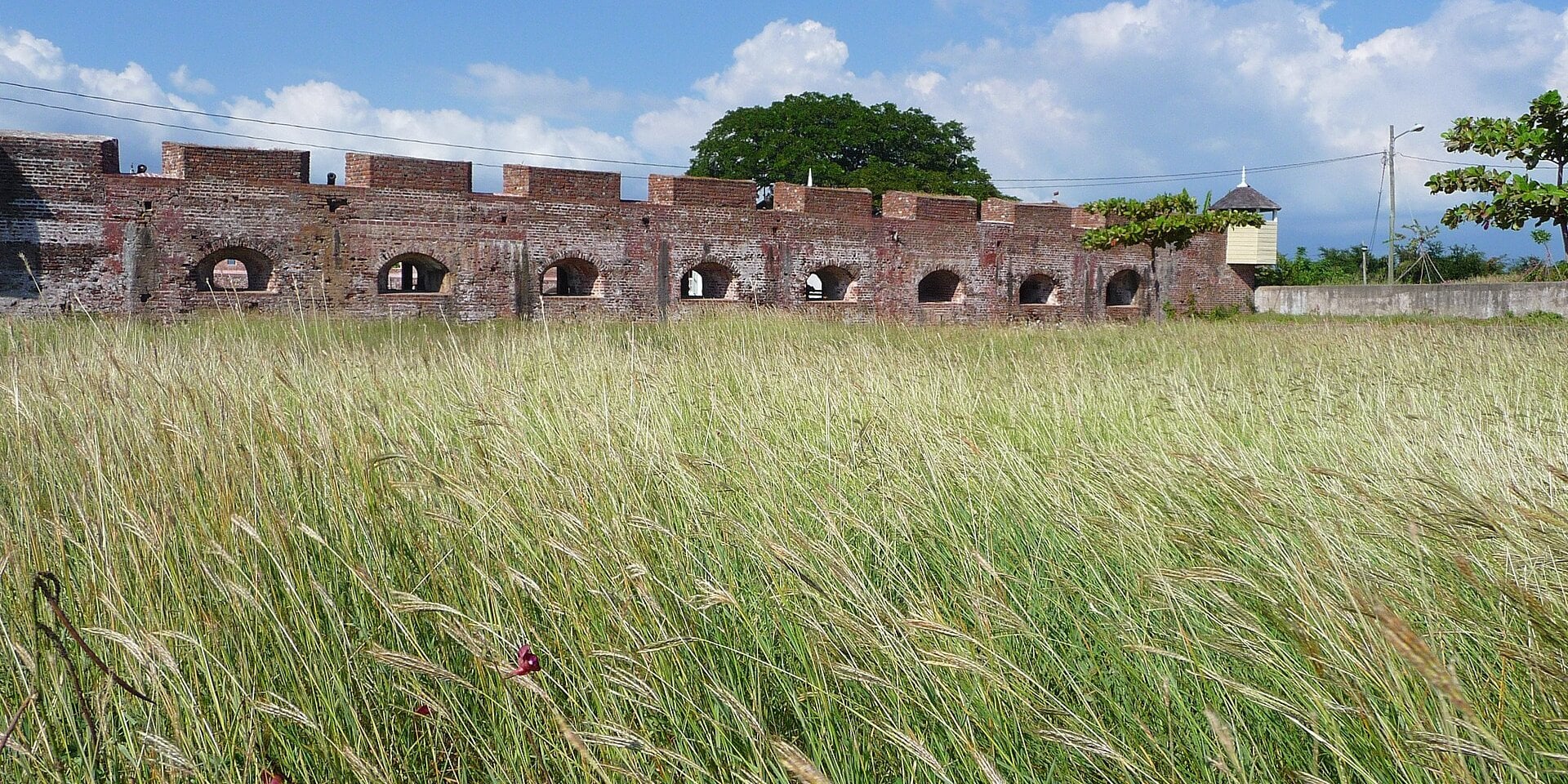
English is used in government and schools, and Patwa is the everyday language at home and on the street. Our guide to Patois and English explains how the two differ.
The Jamaican Language Unit at the University of the West Indies surveyed the island in 2005. It found 78.6% bilingual, 10.9% English only, 10.5% Patwa only, and 68.5% in favour of making Jamaican an official language beside English.
Migration and the Jamaican Diaspora
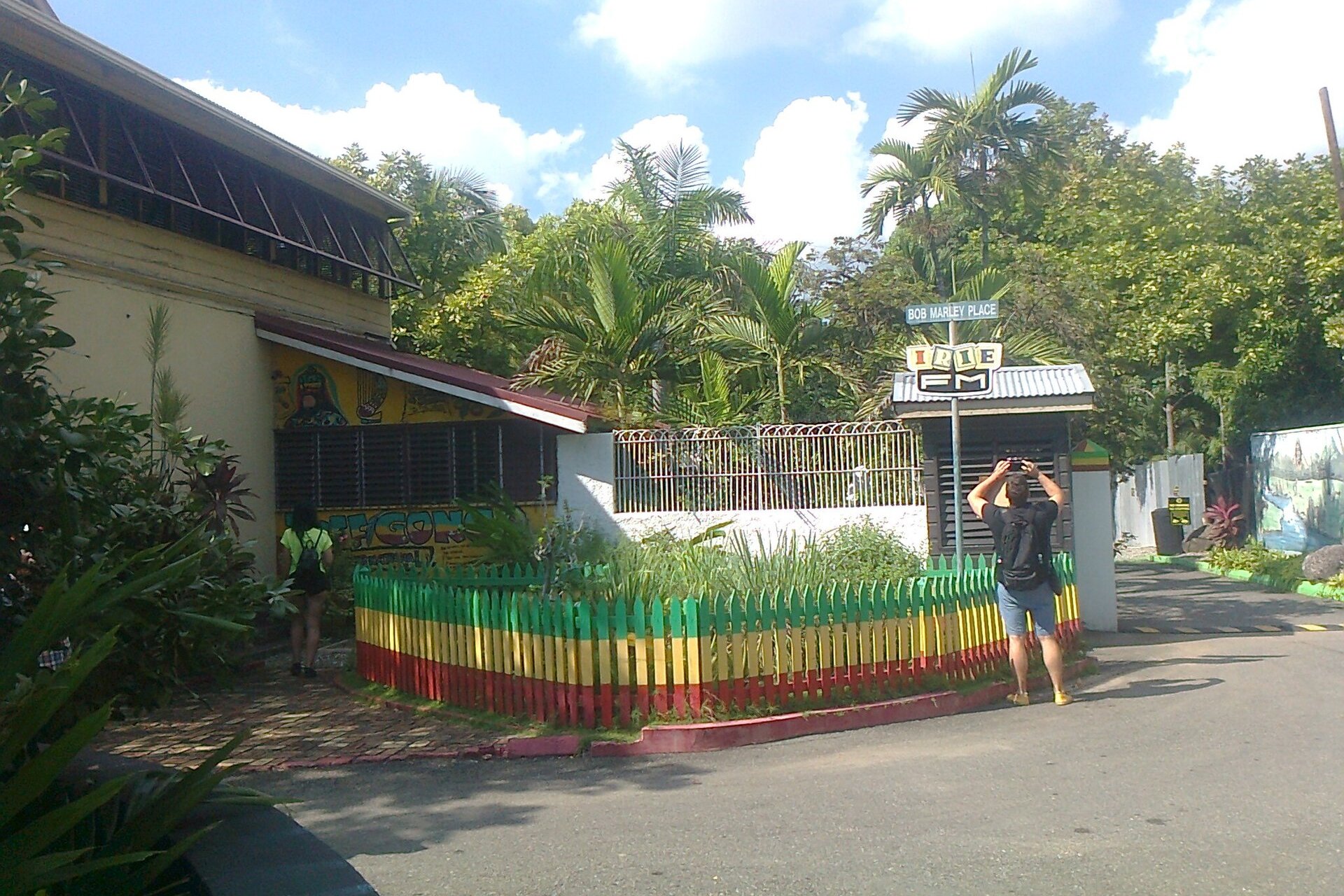
Jamaica has a long record of sending people abroad, and the United States is the most common destination. The Planning Institute of Jamaica records the yearly flows in its Economic and Social Survey.
Remittances are cash sent home by relatives abroad, and they are a major income source for Jamaican families. The Bank of Jamaica, the central bank, publishes them every month.
Where People Went in 2025
PIOJ’s 2025 survey counts 18,347 Jamaicans migrating to the United States, up 7.3% on 2024. It also records Canada granting permanent residence to 2,980 Jamaicans, down 19.8%, and Britain granting citizenship to 2,396, down 16.7%.
Money flows back as remittances, cash sent home by relatives abroad. They totalled US$3,485.7 million (about US$3.49 billion) in 2025, up 3.8%, the Bank of Jamaica, the central bank, reports.
In December 2025, 66.6% came from the United States, 12.5% from the United Kingdom, 8.9% from Canada and 6.9% from the Cayman Islands. The United States is therefore by far the largest single source of that cash.
Hurricane Melissa
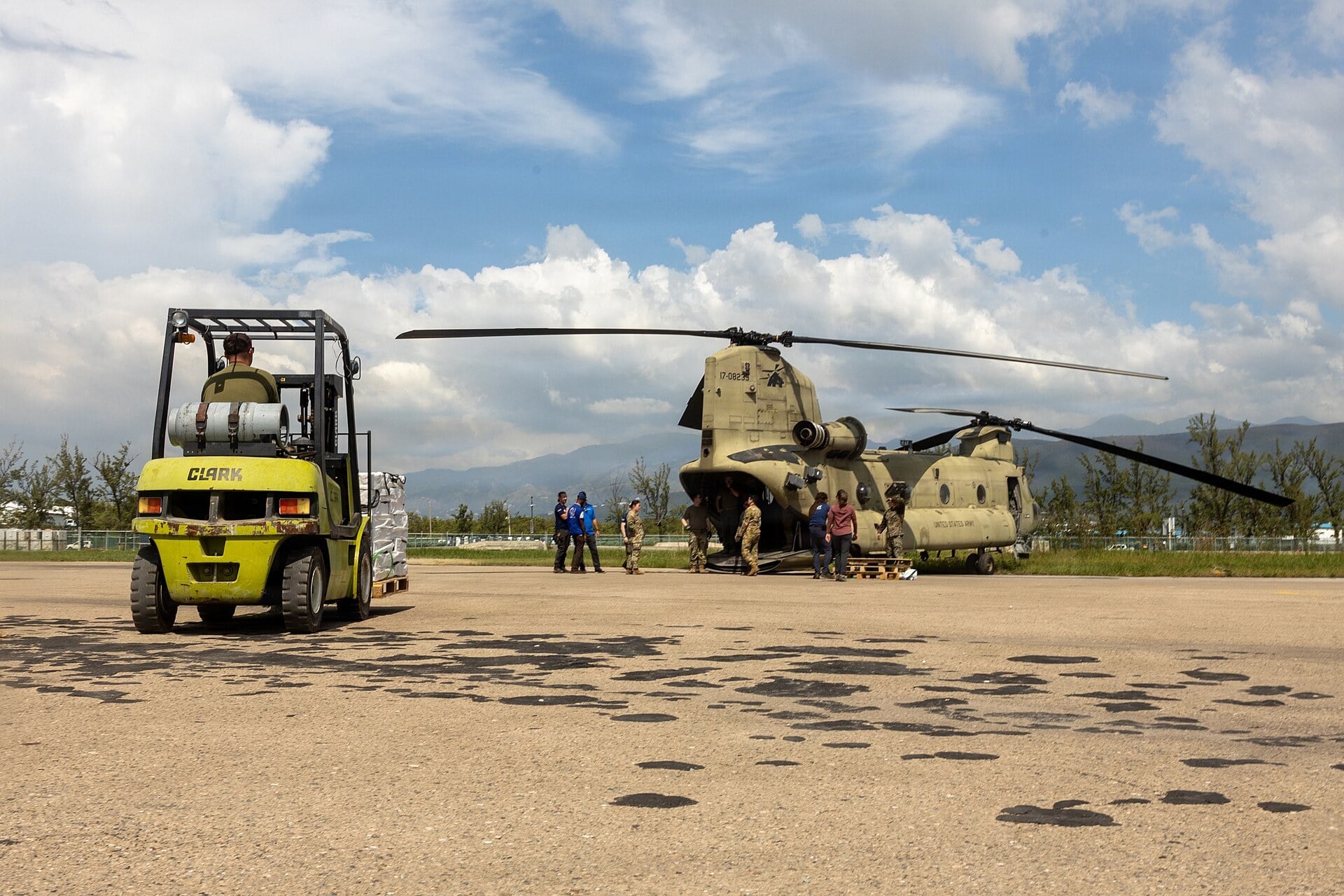
Hurricane Melissa struck near New Hope in Westmoreland parish on 28 October 2025 as a Category 5 storm, the US National Hurricane Center reports. No published figure yet shows how many people left or moved afterwards.
How the Groups Live Together
Jamaica’s motto, Out of Many, One People, describes a country where one group is the large majority and several small groups hold visible roles. Chinese families became shopkeepers, and Lebanese and Syrian families became prominent in business.
PIOJ’s 2023 living-conditions survey measures gaps by place and by household type. Poverty was lowest around Kingston and highest in rural areas, and women headed 52.9% of households in the poorest fifth.
- Poverty, Kingston area: 3.0% in 2023.
- Poverty, other towns: 9.0% in 2023.
- Poverty, rural areas: 11.5% in 2023; nationally 8.2%.
What It Means for US Readers
The United States is the top destination for Jamaican migrants, with 18,347 recorded in 2025, so the Jamaica population story is partly a US story. Visitors will find English everywhere, and a few Patwa phrases are a friendly touch.
Remittances of US$3.49 billion in 2025 make US-based Jamaicans a major income source for families on the island. The Bank of Jamaica says 66.6% of that cash came from the United States in December 2025.
Our Caribbean page collects the latest coverage. Read next: Jamaica politics and Jamaica’s economy.
Also see Jamaica culture and Jamaica and its neighbours. Foreign investors are covered in Foreign Powers and Investors in Jamaica.
What Is Not Known
STATIN’s 2022 census results are preliminary, and its tables on ethnic origin, religion and language had not appeared online at the time of writing. This guide therefore gives no percentages for them.
The World Bank’s series, built on United Nations estimates, puts the 2025 population near 2.84 million, above STATIN’s 2.77 million count. No published figure yet shows how many people left or moved after Hurricane Melissa.
Frequently Asked Questions
How many people live in Jamaica?
The Jamaica population was 2,774,538 at the preliminary 2022 census, up 2.8% from 2011. PIOJ estimated 2,764,200 at the end of 2025, only 600 more than a year earlier.
What are the main ethnic groups in Jamaica?
Black Jamaicans are the large majority. Mixed, East Indian, Chinese, white and Middle Eastern communities make up the rest, and STATIN has not yet published 2022 census tables on ethnic origin.
What languages do Jamaicans speak?
English is used in government and schools, and Patwa, an English-based Creole, is the everyday language of most people. A 2005 survey found 78.6% speak both.
Is the Jamaica population growing?
The Jamaica population is growing only barely. Growth averaged 0.24% a year from 2011 to 2022, and PIOJ counted just 600 more people at the end of 2025 than a year earlier.
How many Jamaicans move to the United States?
PIOJ counted 18,347 Jamaicans migrating to the United States in 2025, up 7.3% on 2024. Remittances to Jamaica reached US$3.49 billion in 2025, the Bank of Jamaica reports.
Sources: STATIN (Statistical Institute of Jamaica), Population Census 2022, preliminary results presented 15 October 2025, 2025-10-15; PIOJ (Planning Institute of Jamaica), Economic and Social Survey Jamaica, population chapters 2024 and 2025, 2026-07; PIOJ, Jamaica Survey of Living Conditions 2023, Overview, 2026-03; Bank of Jamaica, Remittance Bulletin December 2025, 2026-02; US National Hurricane Center, Tropical Cyclone Report: Hurricane Melissa (AL132025), 2026; World Bank, World Development Indicators: Jamaica (population, urbanisation, fertility, life expectancy), 2026-10-31; Jamaican Language Unit, University of the West Indies, Language Attitude Survey of Jamaica 2005, 2005; Institute of Jamaica, East Indians and Chinese; The Syrians and Lebanese, 2026.
This article was produced by The Rio Times’ automated newsroom system. How we use AI · Report an error · Editorial responsibility: Matthias Camenzind, Editor-in-Chief
Expat Guide to Jamaica
What The Rio Times publishes for foreigners who live in or move to Jamaica.
Start here
- Healthcare in Jamaica for Expats and What It Really Costs
- Open a Bank Account in Jamaica as a Foreigner and What It Takes
- Taxes in Jamaica for Expats and What the Rules Actually Reach
- Moving to Jamaica, from the Shipping Container to the Driving Test
Coming up in Jamaica
Understand Jamaica
Brazil runoff date: Sunday, October 25, poll closing times and when results start · Brazil runoff polls: Flávio 51%, Lula 49% · Kalshi and Polymarket odds
Rotate for Best Experience
This report is optimized for landscape viewing. Rotate your phone for the full experience.
You've reached your free article limit
Subscribe to The Rio Times for unlimited access to our news, expat and nomad guides and market intelligence on Latin America and Africa.
Keep reading for free
Your first article was on us. Register with your email address to read 6 free articles every month. You will also receive The LatAm Brief: what moved in Latin American markets, politics and expat life, every weekday morning.
Expat Guide to Jamaica
What The Rio Times publishes for foreigners who live in or move to Jamaica.
Start here
- Healthcare in Jamaica for Expats and What It Really Costs
- Open a Bank Account in Jamaica as a Foreigner and What It Takes
- Taxes in Jamaica for Expats and What the Rules Actually Reach
- Moving to Jamaica, from the Shipping Container to the Driving Test
Coming up in Jamaica
Understand Jamaica