August’s 12.4% inflation rate in Argentina has reignited fears of a return to the painful era of hyperinflation.
Patricia Bullrich, an opposition candidate, warned of this risk. Yet, experts suggest the panic is unwarranted.
Argentinians often see prices rise. Still, this isn’t the devastating 50% monthly hike that marks hyperinflation.
Data reveals an unsettling economy. August’s numbers lifted the yearly rate to 124.4%, a 32-year peak.
This hits hard in a country where 40.1% live in poverty, notably children and teens.
The government introduced price controls. These limit monthly hikes on nearly 50,000 products to 5%.
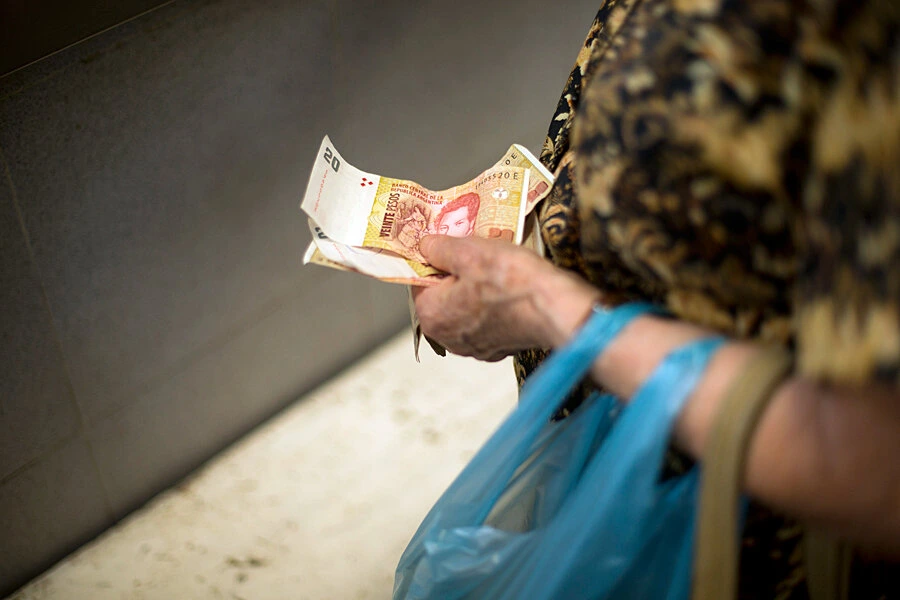
Reports suggest that double-digit monthly increases may continue. Di Tella University predicts a 13.59% rate for September.
Economist Francisco Cantamutto downplays the scare. “We’re not moving towards hyperinflation,” he asserts.
Another expert, Ricardo Aronskind, concurs. He notes that hyperinflation isn’t gradual but rapid and chaotic.
Historically, hyperinflation led to social chaos and political unrest in Argentina. Aronskind highlights the differences between past and present scenarios.
For instance, the current government is better equipped to handle speculation. Also, international entities like the IMF aren’t fanning the flames.
The next president’s policies will be key. Opposition proposals could worsen the situation, especially if currency restrictions are lifted.
Aronskind warns that doing so might cause prices to soar.
In summary, while concerns exist, experts believe Argentina isn’t on the verge of hyperinflation.
Careful policies and public awareness are essential, yet today’s situation differs from past inflation crises.
Background Argentina Inflation
To expand further, the government’s handling of the economy is under the microscope locally and internationally.
A resurgence of hyperinflation could cripple foreign investment. This makes the role of international bodies like the IMF crucial in shaping public opinion and investor confidence.
Moreover, opposition parties often amplify fears for political gain.
More: Argentina news in English, every day from The Rio Times.
This article was produced by The Rio Times’ automated newsroom system. How we use AI · Report an error · Editorial responsibility: Matthias Camenzind, Editor-in-Chief
In depth