Healthcare in Belize for expats and what happens when it gets serious
Belize · Healthcare
Key Facts
- —The public system Belize has one national referral hospital in Belize City, plus regional and community hospitals across the districts.
- —What the cayes have Ambergris Caye, Caye Caulker and Placencia have health centres and a polyclinic, but no hospital at all.
- —The cover that matters Medical evacuation, because the United States Embassy says an evacuation can easily cost US$10,000 and up.
- —Where complex cases go Belize City first, then Guatemala City, Mérida, Cancún or San Pedro Sula by air transfer.
- —Public coverage The national health scheme reached the Cayo District only in 2025, more than two decades after it began.
- —The catch The national scheme is written for Belizeans, and nothing published says whether foreign residents may join it.
Routine medicine is close at hand and conducted in English. The serious case is the one that leaves the country, and that is what you insure against.
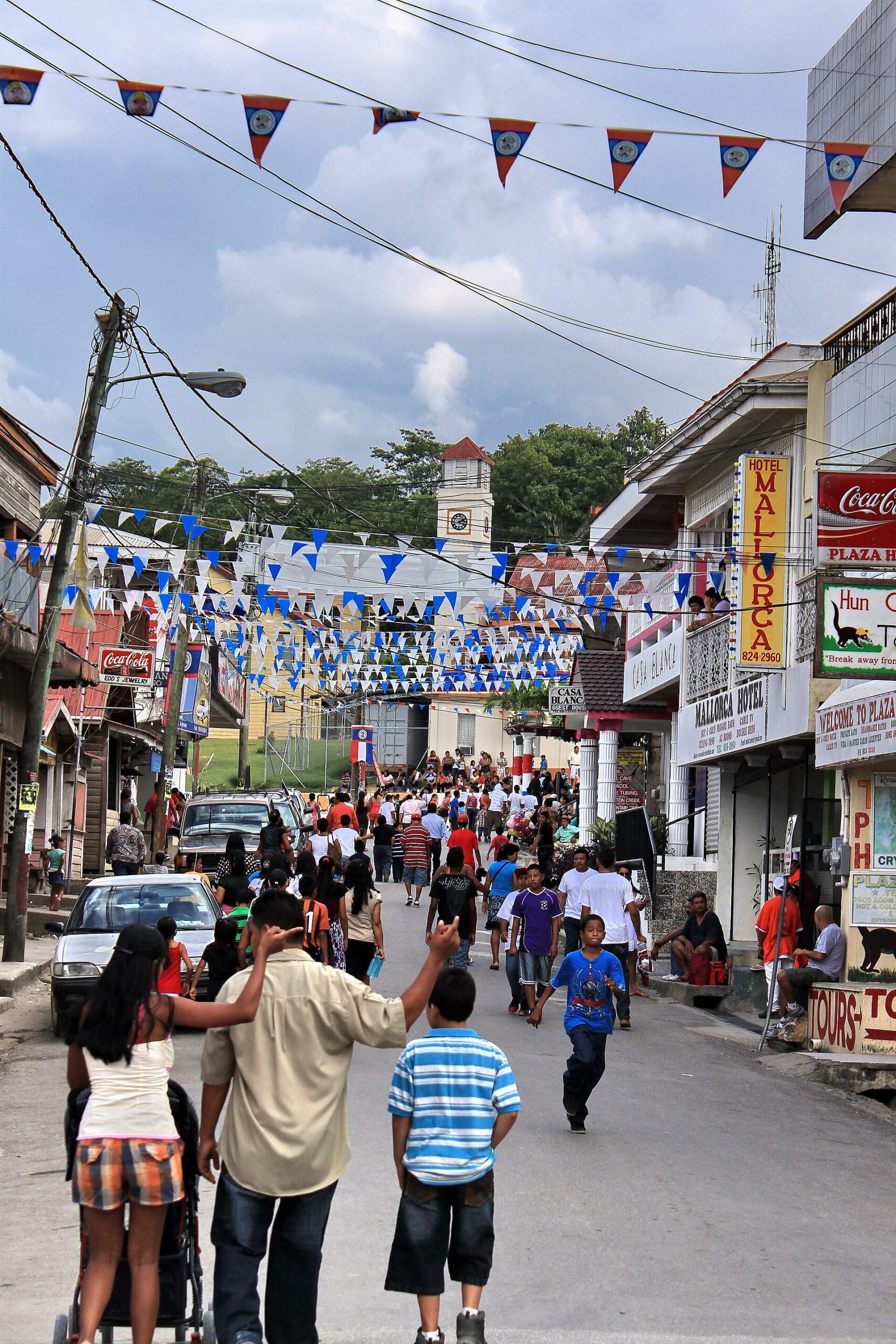
Healthcare in Belize for expats is a small system that works well until a case turns complex. The United States Embassy in Belmopan states that medical care in Belize does not meet United States standards.
The embassy goes further and says there are no level one trauma centres in the country. That single line should shape how a foreigner plans.
Ordinary medicine is close at hand and conducted in English. The exception is the emergency, and the exception is what you insure against.
What the public system actually consists of
Karl Heusner Memorial Hospital on Princess Margaret Drive in Belize City is the national referral hospital. Its chief of staff is listed as Dr. Bernard Bulwer and its chief executive as Dr. Francis Longsworth.
Below it sit the regional hospitals. Western Regional serves Belmopan, Northern Regional serves Orange Walk Town, and Southern Regional sits on the Stann Creek Valley Road at Dangriga.
Smaller community hospitals cover Corozal, San Ignacio and Punta Gorda in Toledo. That is the whole public hospital map for a country of about 400,000 people at the 2022 census.
The list comes from the United States Embassy, which publishes hospitals and doctors by district. The version used here is dated 28 February 2025.
The embassy adds a disclaimer worth repeating. It assumes no responsibility for the ability or reputation of any facility or doctor on its list.
It also notes that most listed physicians speak English and Spanish. Language is rarely a barrier in a Belizean consulting room.
The insurance scheme that finally went national
National Health Insurance, usually shortened to NHI, is the public financing scheme. It is organised into three divisions covering Belize City, the Northern Region and the Southern Region.
NHI lists medical consultations and nursing services, paediatric and obstetric consultations, and clinical laboratory work. It also covers generic medicines from the National Formulary, imaging, screening and chronic disease services.
It is not free at the point of use. The scheme runs a co-payment component, and it does not publish the amounts.
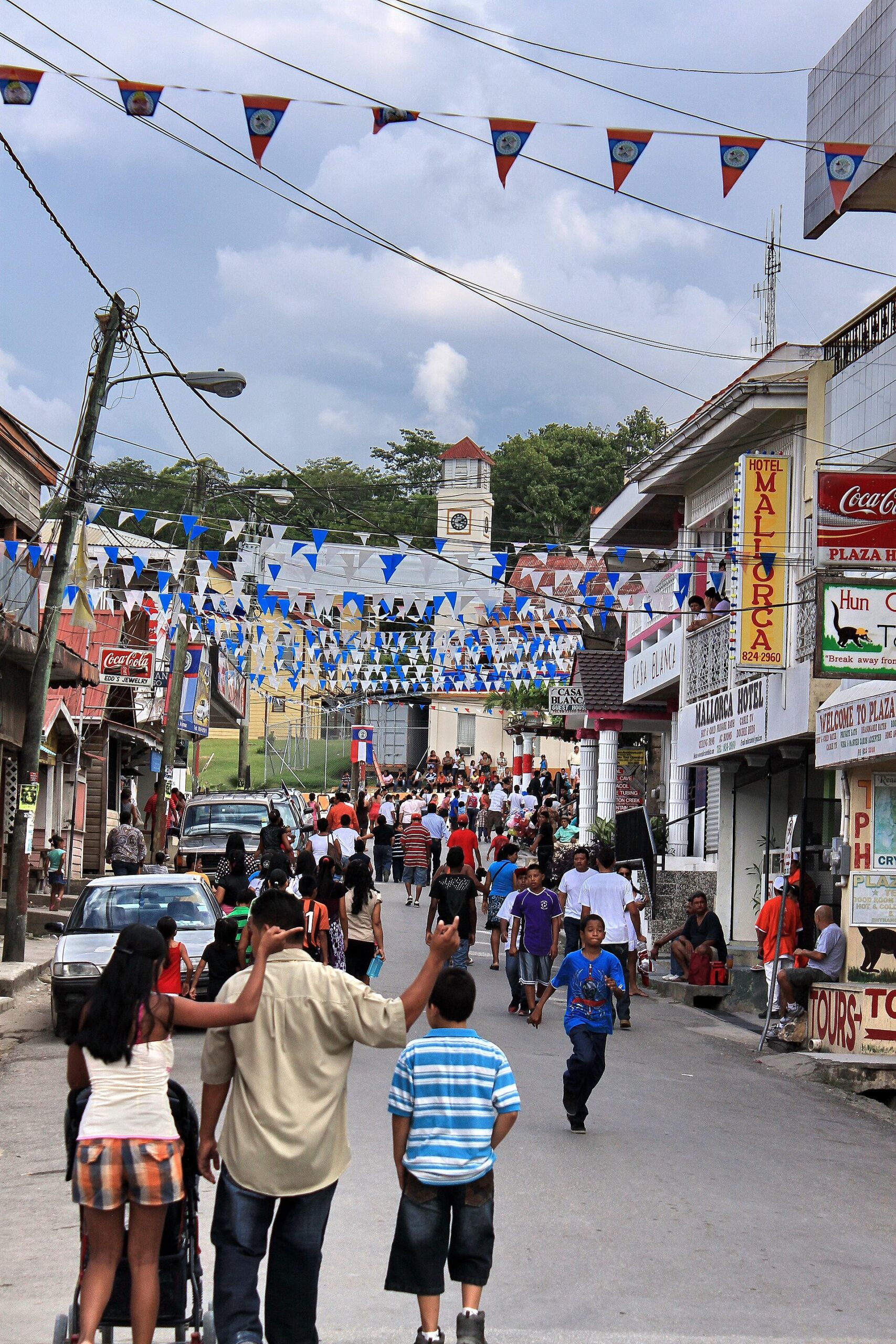
The scheme took more than two decades to cover the country. It began as pilot projects on the south side of Belize City in the early 2000s, then spread south and north.
Prime Minister John Briceño announced the final step in his budget presentation on 12 May 2025. The allocation extended NHI to the Cayo District, the last major region left out.
That brought Belmopan, San Ignacio, Santa Elena and Benque Viejo del Carmen into the scheme. Breaking Belize News reported it as reaching more than 93,000 additional Belizeans.
Delivery runs through eight primary care providers and seven satellite clinics. Briceño framed it as a right rather than a privilege.
There is one unresolved question, and it matters to every foreign resident. The scheme speaks of coverage for all Belizeans and says nothing about non-nationals.
No published source states whether a permanent resident or a retirement programme holder may enrol. Ask the scheme directly and get the answer in writing before assuming anything.
Where the private sector sits
Private medicine in Belize is concentrated in Belize City. Belize Medical Associates on St. Thomas Street in Kings Park is one of the two main private hospitals.
The other is Belize Healthcare Partners, at the corner of Chancellor and Blue Marlin Avenues. Between them they list internists, cardiologists, general surgeons, obstetricians and orthopaedic surgeons.
There is also a gastroenterology and endoscopy centre on Blue Marlin Drive. Outside the city, private options thin out quickly.
La Loma Luz Hospital on the Western Highway at Santa Elena is the main private choice for the Cayo expat belt. It is a Seventh-day Adventist institution.
Northern Medical Specialty Plaza in Orange Walk Town serves the Corozal and Orange Walk foreign population. Mopan Clinic covers Benque Viejo near the Guatemalan border.
None of these institutions publishes a price list. Consultation fees, day rates and surgical prices are quoted on enquiry, and they are not available to check in advance.
The sentence from the embassy that should shape your planning
The United States Embassy publishes one hard number that every foreigner should know. It says a medical evacuation can easily cost US$10,000 and up, depending on location and condition.
It adds that few insurance plans cover evacuation. The embassy maintains a list of air ambulance companies serving Belize, which tells you how routine the problem is.
Healthcare in Belize for expats is therefore best planned as two separate budgets. One covers the doctor down the road, and the other covers the aircraft.
How a serious case leaves the country
Tropic Air operates medical transfer flights around the clock and year round. It flies from San Pedro and Caye Caulker to tertiary care facilities in Belize City.
Beyond Belize, it names four regional destinations. They are Mérida, Cancún, San Pedro Sula in Honduras and Guatemala City.
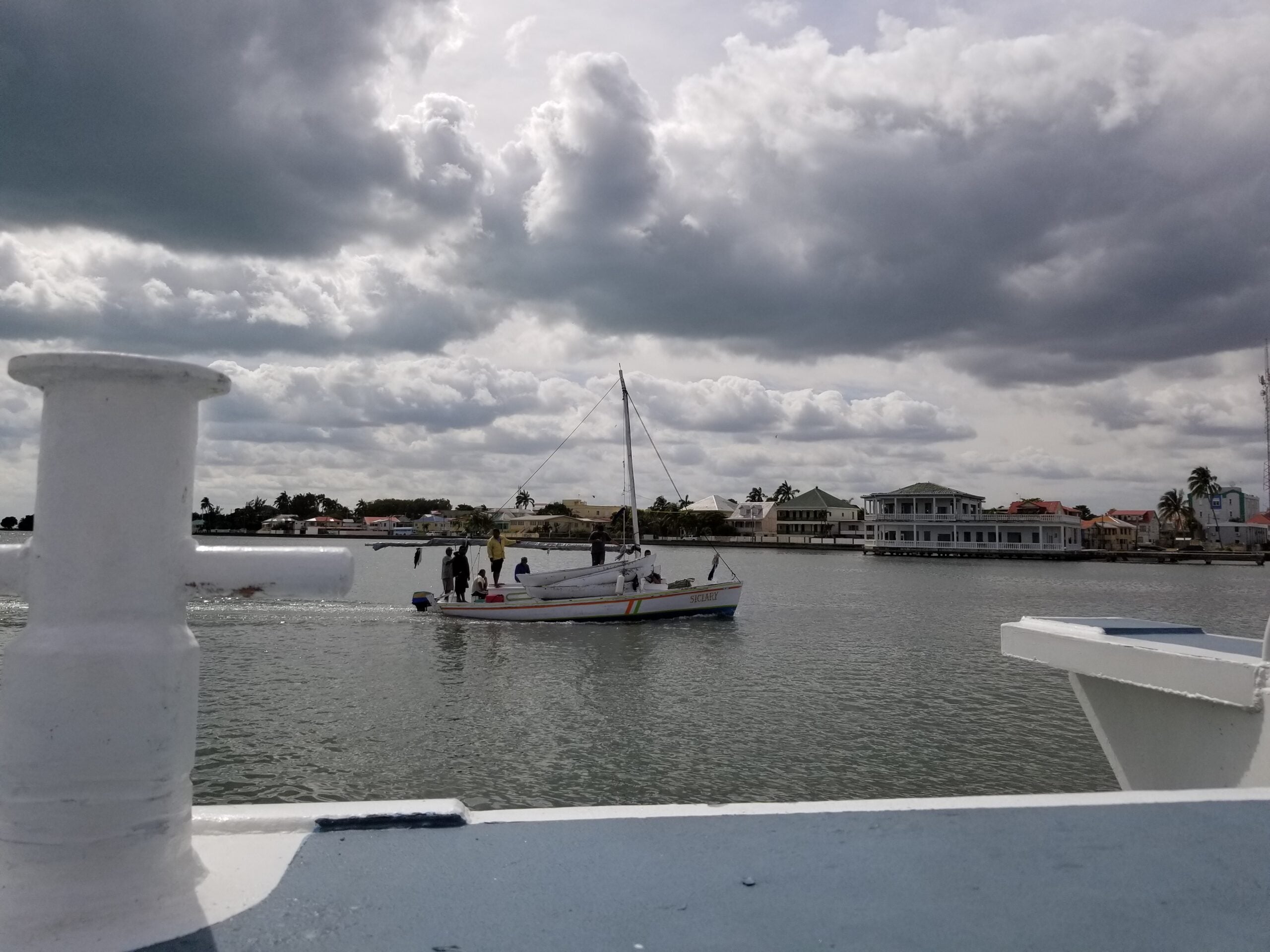
The Mexican and Guatemalan routes are the ordinary ones, because they are nearer and cheaper than Florida. Miami remains the option for anyone who insists on treatment in the United States.
One condition of carriage deserves close reading. Tropic Air states that a passenger must be medically stable and expected to need no medical assistance during the flight.
That is a scheduled transfer, not an intensive care air ambulance. A patient who is unstable needs a dedicated air ambulance, which is a different and far costlier aircraft.
Transfers are coordinated through licensed medical practitioners or medical facilities. You do not book one yourself from a hotel room.
The cover that actually matters
Ordinary health insurance and evacuation cover are different products. A policy that pays a hospital bill in Belize City may pay nothing toward the flight out.
No reliable published figure exists for what evacuation cover costs a retiree in Belize. Premiums depend on age, residence, declared conditions and whether the policy repatriates you home or only to the nearest adequate facility.
Two structures are common. Membership schemes charge an annual fee and arrange transport, while riders bolt evacuation cover onto a health policy.
Read the definition of the destination before you buy. A policy that flies you to the nearest adequate hospital may mean Guatemala City rather than your home country.
Ground transport is the other gap. No primary source describes a national ambulance service, response times or charges.
On the cayes, emergency response is run through local volunteer arrangements and water taxis rather than a state service. Confirm locally what exists where you intend to live.
Pharmacies, prescriptions and dentistry
Pharmacy practice in Belize is looser than in North America or Europe. The expatriate publisher Expat Focus reports that many drugs sold on prescription elsewhere, including antibiotics, are available over the counter.
Genuinely controlled substances still need a local prescription. Expat Focus also reports that medicine prices ran roughly a quarter above equivalent United States prices as of 2024.
That is a secondary source rather than an official one, and it should be treated as an indication. There is no universal subsidy, and patients pay directly.
Both branded and generic stock is sold, with generics dominating on price. Pharmacies are marked by a green cross and commonly close early on Saturday, with Sunday opening uncommon.
Private hospital pharmacies keep longer hours. The Drug Inspectorate Unit of the Ministry of Health and Wellness is the regulator.
Bring medication in its original labelled containers. Controlled substances need permits, and products containing ephedrine or pseudoephedrine are prohibited outright.
Dentistry is a cash business with no insurance networks to speak of. Belize City has several established practices, including surgeries on Magazine Road, Central American Boulevard and Eve Street.
No verified price comparison exists for dental work in Belize. The country competes with Mexican dental destinations rather than leading them, so do not assume a bargain without quoting locally.
What routine care costs, and what nobody publishes
This is the awkward part of any honest guide. Belize publishes no official price list for a doctor visit, public or private.
The mechanism is clear even where the numbers are not. Public facilities and NHI-contracted primary care involve nominal fees or co-payments, while private clinics charge fee for service.
Private billing is quoted in Belize dollars or United States dollars, at the official two-to-one rate. Ask for the fee before the consultation, not after it.
Budget separately for laboratory work and imaging, which are usually billed apart from the consultation. Anything requiring a specialist generally means a trip to Belize City.
Living on a caye when something goes wrong
This is the finding that matters most to anyone choosing where to settle. The two most popular foreign destinations have no hospital.
Ambergris Caye has San Pedro Polyclinic and San Juan Health Center. Caye Caulker has a single health centre, and Placencia has a single health centre as well.
The nearest hospital to Placencia is Southern Regional in Dangriga, up the coast. From San Pedro, the nearest real hospital is across the water in Belize City.
A clinic can stabilise, suture and diagnose. It cannot run a cardiac catheter laboratory or a trauma theatre at two in the morning.
The Cayo District is the counterexample and the reason many retirees choose it. It has a regional hospital in Belmopan, a community hospital in San Ignacio and a private hospital at Santa Elena.
Corozal has its own community hospital and the Mexican town of Chetumal across the border. That proximity is a genuine part of the district’s appeal.
Weigh the view against the distance to a theatre, honestly and in advance. Healthcare in Belize for expats is adequate for ordinary life and thin at the extremes.
More: Caribbean coverage, every day from The Rio Times.
Sources: US Embassy Belmopan on medical standards and evacuation costs, US Embassy Belmopan on hospitals and doctors by district, National Health Insurance Belize on covered services and co-payments, Breaking Belize News on the scheme reaching the Cayo District, Tropic Air on medical transfer flights and their conditions, Expat Focus on pharmacy practice and medicine prices, Government of Belize Press Office on the health ministry
This article was produced by The Rio Times’ automated newsroom system. How we use AI · Report an error
Read More from The Rio Times