Belize Safety for Expats 2026: The Roads Are as Dangerous as the Crime
BELIZE · EXPAT GUIDE
Key Facts
- —The national figure 91 murders in 2025, 21.8 per 100,000, down one percent on the year before.
- —The concentration Belize District accounted for 53% of them, and Belize City for 79% of those.
- —The contrast Corozal district recorded two murders in the whole of 2025.
- —The roads 81 road deaths in 2025, roughly the same rate as homicide. Motorcycles featured in 38 percent of fatal crashes.
- —The advisories The United States rates the country level two, with Belize City south side at level three.
- —The catch Both the British and American governments say police capacity limits investigations.
The murder rate here is genuinely high and it is concentrated in a few streets no foreign resident ever sees. The roads are the risk nobody budgets for.
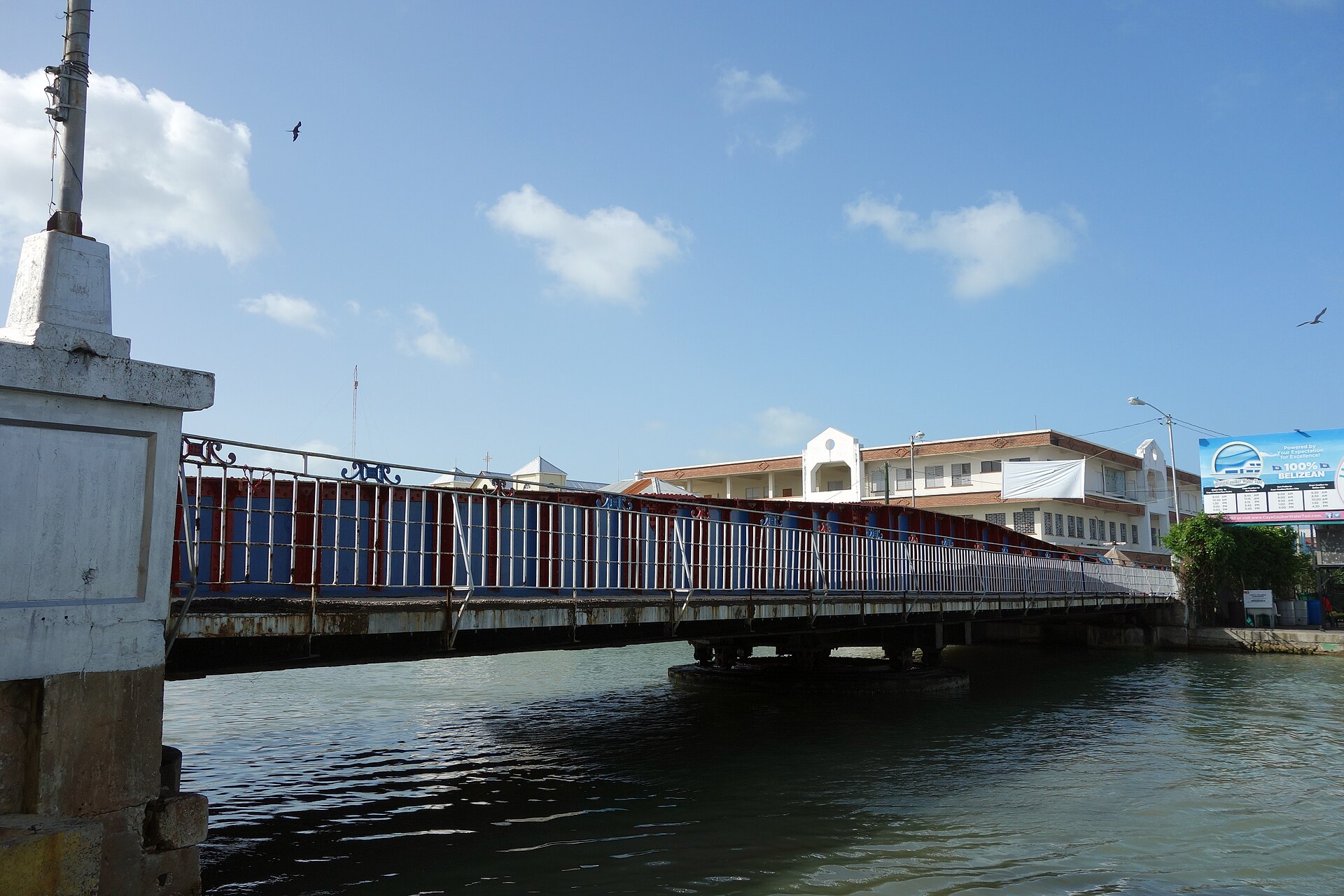
Belize records one of the higher murder rates in the Americas. It also records almost none of those murders where foreign residents live.
Both statements come from the same official report. Reconciling them is the whole job of this guide.
The National Numbers
There were 91 murders in 2025, a rate of 21.8 per 100,000. That was a fall of one percent on the year before.
The trend over three years is broadly flat. There were 88 in 2023 and about 92 in 2024.
That is well below the peak of the 2010s, when the rate ran in the high thirties and low forties. The long trajectory is downward.
One caveat. A United States security report gives 98 murders for 2024 and 94 for 2023.
Those do not reconcile with the national observatory’s figures. The observatory is the official source and this guide uses it.
Be aware the two series differ. Neither is being averaged here.
In the first three months of 2026 there were 28 murders, up seventeen percent on the same period of 2025. Total major crimes over the same period fell twelve percent.
Where It Happens
The Belize District accounted for 53 percent of 2025 murders, or 48 deaths. Cayo followed with 14 and Stann Creek with 12.
Orange Walk had eight and Toledo seven. Corozal had two.
Within Belize District, 79 percent of murders happened in Belize City. The city rate was 20.9 per 100,000 and rising.
Inside the city the concentration tightens again. Two precincts on the south side accounted for 69 percent of the city’s murders between them.
Ninety of every hundred victims were male. Fifty-seven percent of victims in early 2026 were aged eighteen to twenty-nine.
The violence is overwhelmingly between gangs, south of Haulover Creek. That is the exact area in which no foreign resident lives.
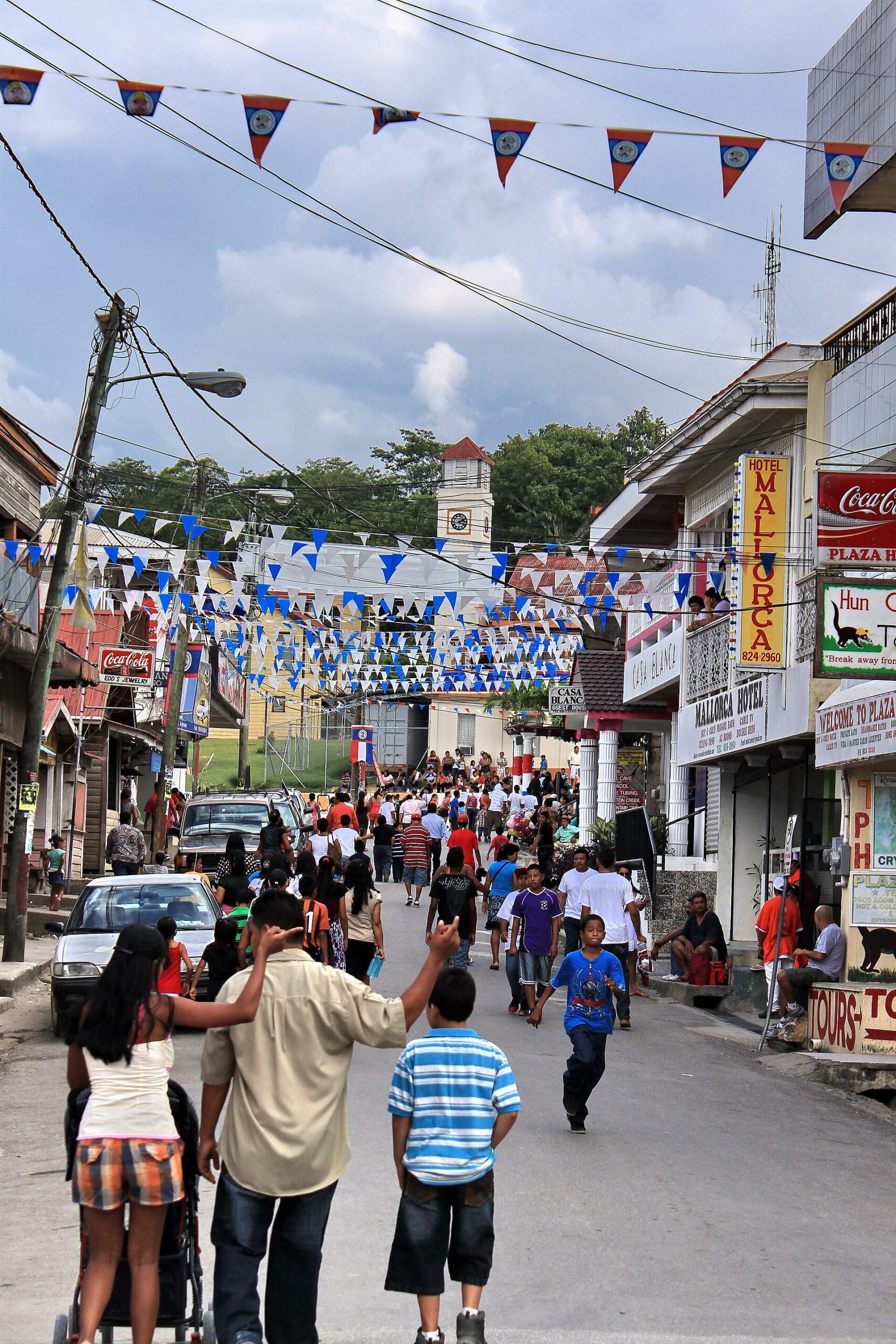
The Places Foreigners Actually Live
Ambergris Caye and Placencia sit in Belize and Stann Creek districts but away from the gang geography. Corozal, with two murders all year, is a different country statistically.
Cayo’s fourteen deaths are spread across the Belmopan corridor rather than the San Ignacio tourist strip. That district is also the inland, low-storm-risk option.
None of that makes these places immune. Canada explicitly notes violent incidents against foreign nationals in San Pedro, Caye Caulker and Placencia.
The British advice is to avoid dark alleys in those same towns. Pickpocketing, burglary and hotel-room theft are countrywide.
What the Advisories Say
The United States rates the country level two, exercise increased caution, updated on 12 March 2026. It rates the city’s south side level three, reconsider travel.
That zone runs from the Haulover Creek canal south to Fabers Road. American government staff are discouraged from it and from driving between cities after dark.
Britain issues no blanket warning but singles out the same south side. Canada asks for a high degree of caution nationally, one tier stricter than it applies to Panama.
Canada also advises against non-essential travel there specifically. All three converge on the same few streets.
The Risk That Is Not Crime
There were 88 fatal road accidents and 81 road deaths in 2025. Against a population near 410,000 that is roughly 20 per 100,000.
That is essentially the same rate as homicide. A foreign resident is far more likely to be exposed to the roads than to the gangs.
Motorcycles were involved in 38 percent of fatal accidents. Cayo District had the most incidents, with 32.
The four main highways are paved but two-lane, with unlit shoulders and unmarked speed bumps through villages. There is no emergency roadside assistance.
Both foreign offices cite poor maintenance, potholes, inadequate vehicle standards and high rates of drink driving. The practical rule is simple.
Do not drive between cities after dark. The American government tells its own staff the same thing.
Storms
The season runs from 1 June to 30 November, with August to October the peak. The forecast adopted by the government for 2026 was eight to fourteen named storms.
Of those, three to six were expected to become hurricanes and one to three major ones. The disaster agency asks residents to keep emergency plans current.
The landfall history is real. Storms in 1931 and 1961 drove the capital inland to Belmopan.
Hurricanes made landfall near the coast in 2010 and again in 2022. Peak months are August to October.
The cayes and the coastal strip carry the surge exposure. Ambergris Caye, Caye Caulker and Placencia are all in that category and Cayo is the inland alternative.
The Real Difference From Its Neighbours
It is not the crime level. It is what happens afterwards.
The British foreign office states plainly that investigations face delays because of limited police capacity. The American advisory says law enforcement faces resource limitations and that emergency medical services are limited.
That is the practical gap. A comparable incident in Panama is more likely to be investigated and more likely to be treated.
The government’s recurring tool is a targeted state of emergency over south side gang areas. Those have been declared in successive years, though whether one is in force now could not be confirmed.
The most recent concrete policing measure that can be dated is the approval of 225 new officers under the national security strategy. That dates from 2024.
What This Means in Practice
Choose your district and most of the risk disappears. Corozal, Cayo and the quieter cayes are statistically unlike the city’s south side.
Then treat the road as the main hazard, because on the numbers it is. Drive in daylight, avoid motorcycles and assume no roadside help is coming.
And arrange your own medical evacuation cover. Limited emergency services is the phrase both foreign offices use, and it is the one that matters most.
More: Expat guides, every day from The Rio Times.
Frequently Asked Questions
How dangerous is Belize?
There were 91 murders in 2025, a rate of 21.8 per 100,000, down one percent on the year before. Over half happened in one district and most of those south of Haulover Creek.
Which areas are safest?
Corozal recorded two murders in all of 2025. Cayo, Ambergris Caye and Placencia sit well outside the gang geography, though Canada notes violent incidents against foreigners have occurred in the tourist towns.
What do travel advisories say?
The United States rates the country level two overall and the city’s south side level three. Canada asks for a high degree of caution and advises against non-essential travel to the south side.
Are the roads dangerous?
Yes. There were 81 road deaths in 2025, roughly the same rate as homicide, with motorcycles involved in 38 percent of fatal crashes. There is no emergency roadside assistance.
What about hurricanes?
The season runs 1 June to 30 November, peaking August to October. The 2026 forecast was eight to fourteen named storms. The cayes and the coast carry the surge exposure and Cayo is the inland alternative.
Sources: The Belize Crime Observatory End of Year 2025 report and its first-quarter 2026 major crimes analysis, InSight Crime, the US State Department advisory of 12 March 2026, the UK FCDO of 12 June 2026, the Government of Canada of 9 September 2026, OSAC and the Government of Belize Press Office.
This article was produced by The Rio Times’ automated newsroom system. How we use AI · Report an error
Read More from The Rio Times