Investing in Belize as a Foreigner 2026 — Costs, Title and Residency Rules
GUIDES · BELIZE
Key Facts
- —What it is an English-speaking common-law market where foreigners hold freehold land on the same terms as nationals.
- —Who it’s for buyers who want dollar-pegged pricing and familiar legal language rather than a deep, liquid market.
- —What it costs stamp duty of 8 percent above the first 20,000 Belize dollars (about US$10,000) of value.
- —Why it matters the peg and open ownership remove two risks that dominate most small emerging markets.
- —The catch title quality, storm insurance and bank paperwork stay your problem, and resale can be slow.
Investing in Belize as a foreigner means freehold land, an English-language legal system and a currency that has been fixed to the US dollar since 1976.
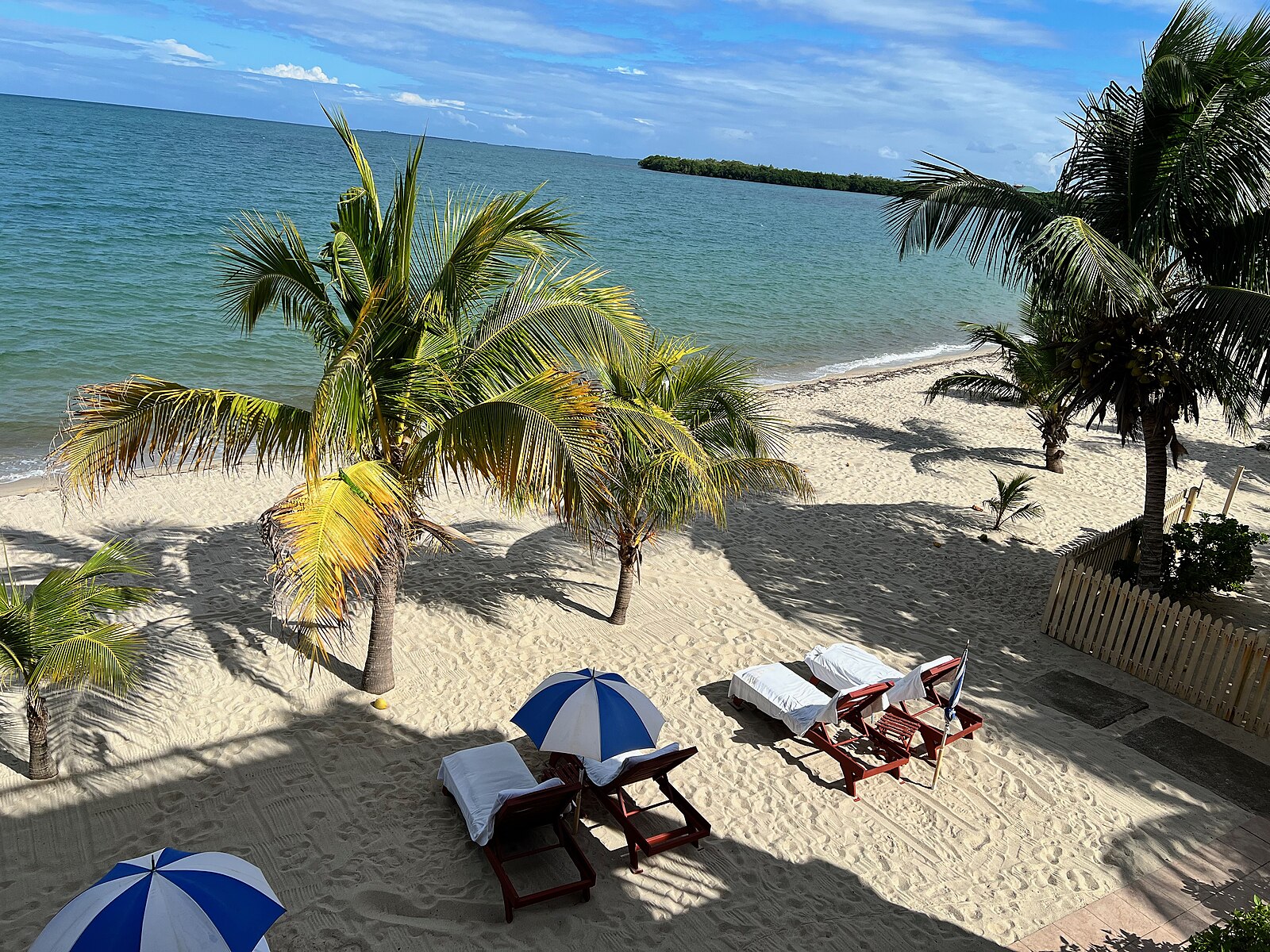
Investing in Belize as a foreigner in 2026 rests on two settled facts. Foreigners may own freehold land here, and the Belize dollar stays fixed at two to the dollar.
The frame: English law, a small market and a peg that has held since 1976
Belize is English-speaking, and its law follows the English common-law tradition. For a foreigner investing in Belize, that lowers the cost of asking a lawyer the right question.
The Central Bank of Belize states plainly that the exchange rate is fixed to the US dollar. The peg was adopted on 11 May 1976, and the country marked fifty years of it in 2026.
On 18 September 2026 the bank published a buying rate of two Belize dollars and a selling rate of 2.0175 to the dollar. All conversions here use the official two-to-one rate, at 21 September 2026 exchange rates.
The market itself is small. The Statistical Institute of Belize put the mid-2026 population at 418,982, so domestic demand is shallow by regional standards.
Investing in Belize as a foreigner: what the law lets you own
Foreigners may buy and hold freehold land in Belize, with no landholding licence and no local partner required. Ownership rights match a citizen’s once the transfer is registered.
For a foreigner, investing in Belize property differs from citizen ownership at one point only. Under the Stamp Duties Act, a buyer who is not a citizen pays a higher transfer duty.
The active foreign-buyer areas are Ambergris Caye and Caye Caulker, Placencia, the Cayo District and Corozal. Each serves a different buyer, from island rental demand to inland farming and quiet retirement.
Open ownership is not the same as clean ownership. An international listing tells you nothing about the state of the title behind it.
Title: registered land, older deeds and the search you should pay for
Belize runs two record systems side by side. Newer parcels sit in the registered-land system, where the register itself records the parcel and its owner.
Older land is held on a chain of deeds. There a buyer relies on documents rather than on one register-backed record, which raises the work required.
A search should look for prior mortgages and charges, unresolved inheritance claims, duplicate conveyances and boundary or access problems. Budget it as a separate line, paid to your own attorney.
Title work is where investing in Belize as a foreigner most often needs patience. It is also the step buyers compress most often when a seller pushes for a quick closing.
Stamp duty and what the purchase really costs
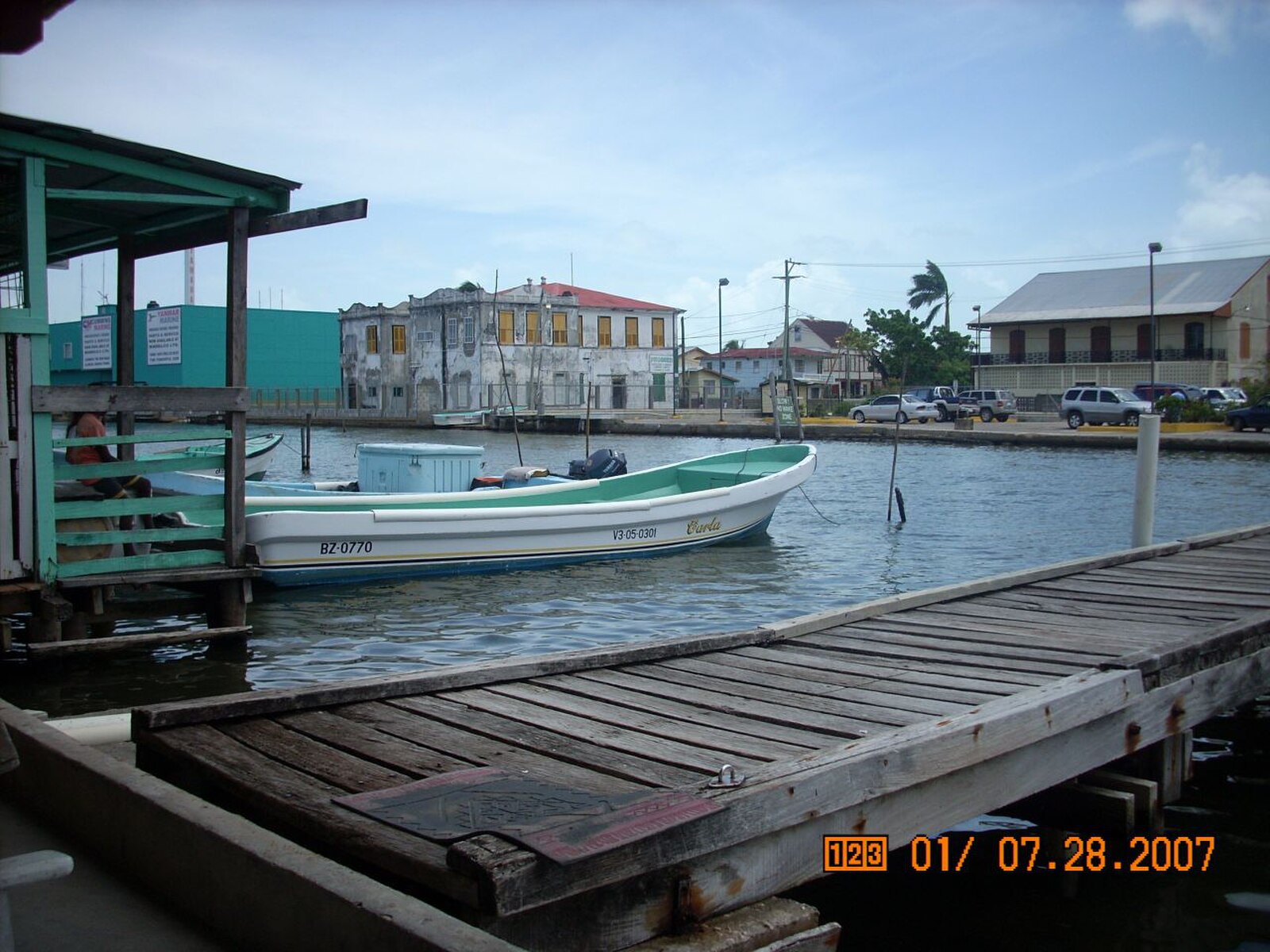
Section 72 of the Stamp Duties Act sets the transfer duty on land. The first 20,000 Belize dollars (about US$10,000) of value is exempt for every buyer.
Above that line the rate is 5 percent for a Belizean citizen, a Belizean company or a qualifying CARICOM national. For everyone else the rate is 8 percent.
CARICOM is the Caribbean Community, the regional bloc whose nationals hold certain rights of establishment in Belize. The 8 percent rate for other foreign buyers dates from a 2017 amendment to the Act.
The duty falls on the value of the land or the consideration, whichever is greater. An agreed price below assessed value therefore does not lower the bill.
Buying through a company does not help. The Act treats a company as foreign-controlled when half or more of its shares, directors or votes sit with people who are not citizens.
Legal fees, registry fees and the title search are extra, and they vary by attorney. Published closing-cost bundles are estimates rather than statutory charges.
The recurring taxes: land, sales and business
Land outside town and city boundaries is taxed under the Land Tax Act on the unimproved value of the ground. The commonly published figure is about 1 percent of that value.
Inside municipal boundaries, town and city councils levy their own property tax. Ask the council or the valuation office for the actual bill on a specific parcel before you sign.
General Sales Tax is charged at 12.5 percent on most taxable goods and services. It does not apply to the land itself, but it reaches construction, repairs and furnishing.
Belize taxes business receipts rather than profit, and rates differ by activity. Anyone investing in Belize as a foreigner should confirm the applicable rate with the Belize Tax Service.
Belize is not known to levy a capital gains tax on property gains. Your home country may still tax the gain, so check both sides long before you sell.
Tourism, rental income and the seasons
Rental demand on the cayes and the coast follows tourism, and tourism follows the season. High season fills rooms, and the low season does not.
A foreigner investing in Belize rentals should model income on annual occupancy, not on peak weeks. Utility interruptions, maintenance and storm downtime all take bites out of the calendar.
Official measurement here is thinner than investors expect. The Statistical Institute of Belize compiled the country’s first Tourism Satellite Account for the year 2019, so the published picture is dated.
Location carries two things at once on this coast. The beach that fills a rental calendar is the same beach that raises the insurance quote.
The QRP retirement route, and what it actually allows
The Qualified Retired Persons programme is run by the Belize Tourism Board. Its published terms open the programme to applicants aged 40 and over.
An applicant must receive at least US$2,000 a month, or US$24,000 a year, from a source outside Belize. The applicant then undertakes in writing to deposit that income with a Belize financial institution.
Published fees are US$150 to apply, US$1,000 on approval and US$750 for each dependant. Identity cards cost US$200 each, and renewal is US$25 a year.
The programme exempts a member from Belize tax on income earned outside the country. It also allows duty-free import of household effects, one vehicle, one boat and one light aircraft in the first year.
For a retired foreigner, investing in a Belize business takes more than residency status. The board allows a member to carry on business in Belize only with its approval.
That approval requires a business plan, an investment of one million Belize dollars (about US$500,000) and at least five Belizean employees. The published terms do not state how long a decision takes.
Companies and the offshore sector after the 2022 reform
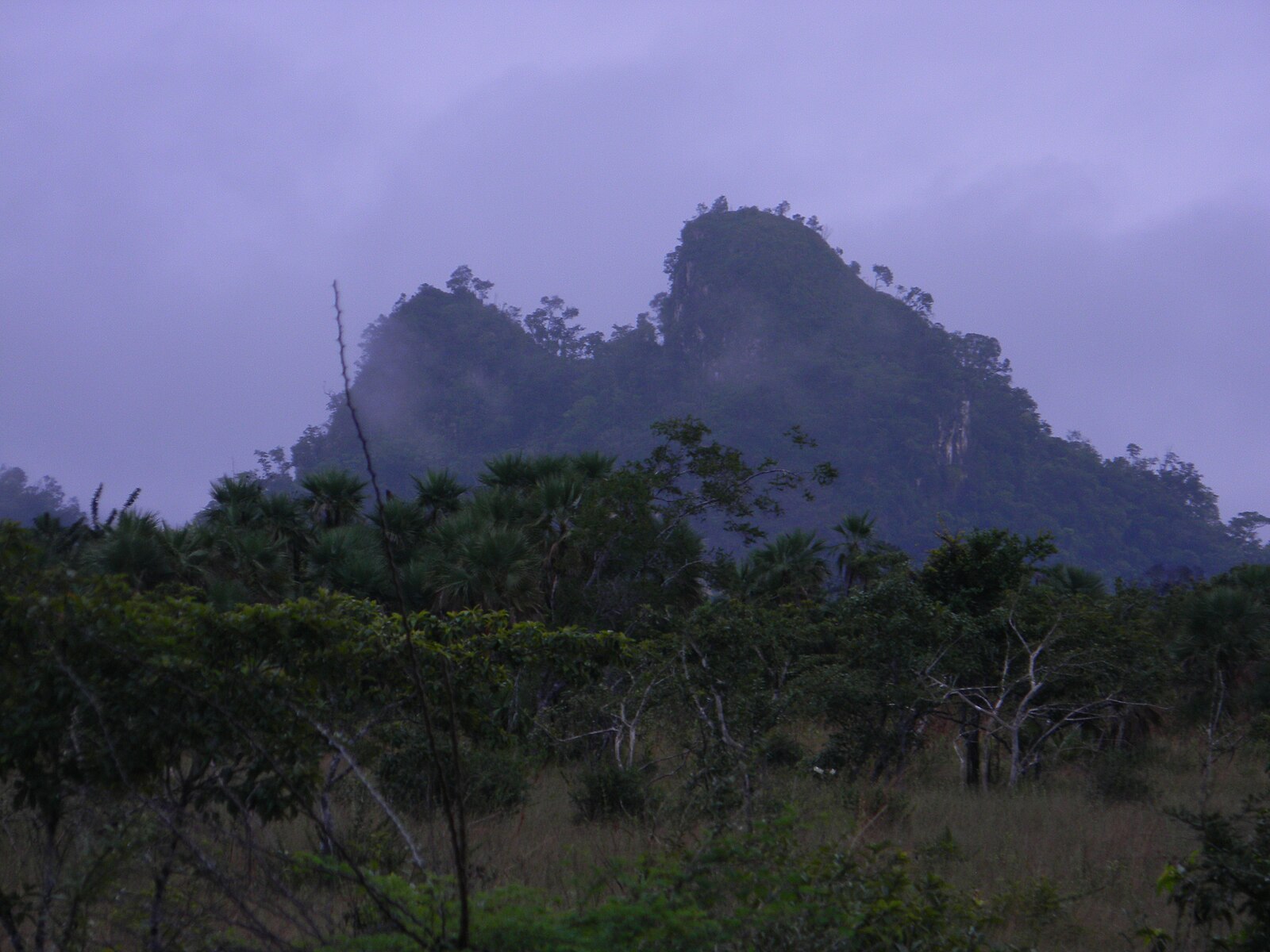
The old offshore label is out of date. The Belize Companies Act 2022 repealed the International Business Companies Act in whole, along with the former domestic Companies Act.
Companies now sit in one registry supervised by the Financial Services Commission. A registered company keeps a register of beneficial owners, and the Economic Substance Act applies to it.
The commission’s legislation list shows the direction of travel. It includes accounting-records rules, regulations on nominee shareholders and directors, and a 2026 amendment to the money-laundering prevention law.
Read that as compliance rather than secrecy. A structure still needs a real purpose, real records and a bank willing to accept it.
Banking: usually the slowest part of the plan
Opening an account is often the slowest step in a Belize purchase. Correspondent banks, the foreign institutions that clear international payments for local banks, set much of that pace.
Local banks ask for source-of-funds evidence, tax residency details and a clear business purpose. Expect the same requests more than once, and allow weeks rather than days.
Owning property in Belize does not open a bank account for a foreign investor. They are separate approvals, from separate institutions, on separate timetables.
Settle your payment route before you sign anything. A transfer held in review at the wrong moment can cost you a deposit.
Beyond tourism: agriculture, aquaculture and the cost of getting goods in
Agriculture is the established non-tourist sector, and the Cayo and Corozal districts are where land and logistics most often line up. Aquaculture works along the coast, where water quality and cold-chain transport decide the outcome.
Both depend on roads, power and shipping more than on the price of land. A cheap parcel far from a reliable road is rarely cheap in practice.
Import costs shape every project here. Belize Customs states that duty rates run from zero to 100 percent, with most goods at 20 percent.
Inflation is moderate rather than absent. The Statistical Institute of Belize reported consumer prices up 4.1 percent in July 2026.
Storms, thin markets, and how Belize compares with Costa Rica and Panama
The Atlantic hurricane season runs from 1 June to 30 November, and Belize sits inside it. Storm exposure drives insurance pricing, policy exclusions and the time a damaged property needs before it earns again.
Ask for a written windstorm quote before you commit, not after. If cover is unavailable or very costly, that is information about the asset.
Liquidity is the other constraint. Outside the best-known nodes there are few comparable sales, few institutional buyers and long selling periods.
Against Costa Rica and Panama, Belize offers English, common law and freehold without a landholding licence. Those two markets are larger and better served, with deeper banking and more buyers.
For a foreigner, investing in Belize changes a life in one specific way. It is a lifestyle and income decision with a predictable currency and a title you must prove yourself.
Nothing in this market rewards speed. The buyers who do well move slowly, pay for the search, and keep a year of running costs in reserve.
Connected Coverage
Frequently Asked Questions
Frequently Asked Questions
Can a foreigner own land outright in Belize?
Yes. Foreigners may buy and hold freehold land with no landholding licence and no local partner, and registered ownership rights match those of a citizen. The single legal difference is the higher stamp duty rate paid at purchase. Ownership law is open, so the practical work sits in the title search.
How much stamp duty does a foreign buyer pay in Belize?
Under section 72 of the Stamp Duties Act, the first 20,000 Belize dollars (about US$10,000) of value is exempt for every buyer. Above that, the rate is 5 percent for Belizean citizens, Belizean companies and qualifying CARICOM nationals, and 8 percent for everyone else. The duty applies to the value of the land or the consideration, whichever is greater.
Is the Belize dollar still fixed to the US dollar?
Yes. The Central Bank of Belize states that the exchange rate is fixed to the US dollar, at two Belize dollars to the dollar, a peg adopted on 11 May 1976. On 18 September 2026 the bank published a buying rate of two and a selling rate of 2.0175. The spread between buying and selling is the bank’s operating margin, not a change in the peg.
What does the QRP programme require and grant?
The Belize Tourism Board opens the Qualified Retired Persons programme to applicants aged 40 and over with at least US$2,000 a month, or US$24,000 a year, from outside Belize. Members are exempt from Belize tax on that outside income and may import household effects and one vehicle, boat and light aircraft duty-free in the first year. Published fees are US$150 to apply, US$1,000 on approval and US$750 for each dependant.
Can a retired resident run a business in Belize?
Only with the tourism board’s approval. The published terms require a business plan, an investment of one million Belize dollars (about US$500,000) and the employment of at least five Belizean citizens. Retirement status by itself is a residency and tax framework, not a licence to trade.
Do Belize international business companies still exist?
No. The Belize Companies Act 2022 repealed the International Business Companies Act in full, and companies now sit in a single registry supervised by the Financial Services Commission. Registered companies keep a register of beneficial owners and fall under the Economic Substance Act. Older offshore marketing that still promises secrecy describes a regime that has been replaced.
Sources: Figures come from the Central Bank of Belize, the Stamp Duties Act and Belize Companies Act published by the Belize Companies and Corporate Affairs Registry, the Belize Tourism Board, the Financial Services Commission, the Belize Customs and Excise Department and the Statistical Institute of Belize.
- centralbank.org.bz
- bccar.bz
- bccar.bz
- belizetourismboard.org
- belizefsc.org.bz
- customs.gov.bz
- sib.org.bz
- sib.org.bz
This article was produced by The Rio Times’ automated newsroom system. How we use AI · Report an error
LatAm Markets: Live Signals → — real-time movers, turnover leaders and FX across Latin America.
Read More from The Rio Times