Haiti Moïse Assassination Trial: Pastor Christian Sanon Faces Miami Jury
HAITI · JUSTICE
Key Facts
- —What happened The trial of Christian Emmanuel Sanon, 67, opened with jury selection in Miami federal court on Monday 28 September 2026.
- —The charges Sanon, a Haitian-American pastor and physician, has pleaded not guilty to eight charges, including conspiracy to kill or kidnap Haiti’s president.
- —The court US District Judge Jacqueline Becerra of the Southern District of Florida is presiding, as in the case’s first trial.
- —The case so far A jury convicted four men in May 2026, and eight co-conspirators had already pleaded guilty, the US Attorney’s Office said.
- —Still open No trial date has been made public for the 18 suspects Haiti handed to US agents on 20 September 2026.
The Moïse assassination trial is back in a Miami courtroom, where a Haitian-American pastor denies plotting the 2021 killing of Haiti’s president.
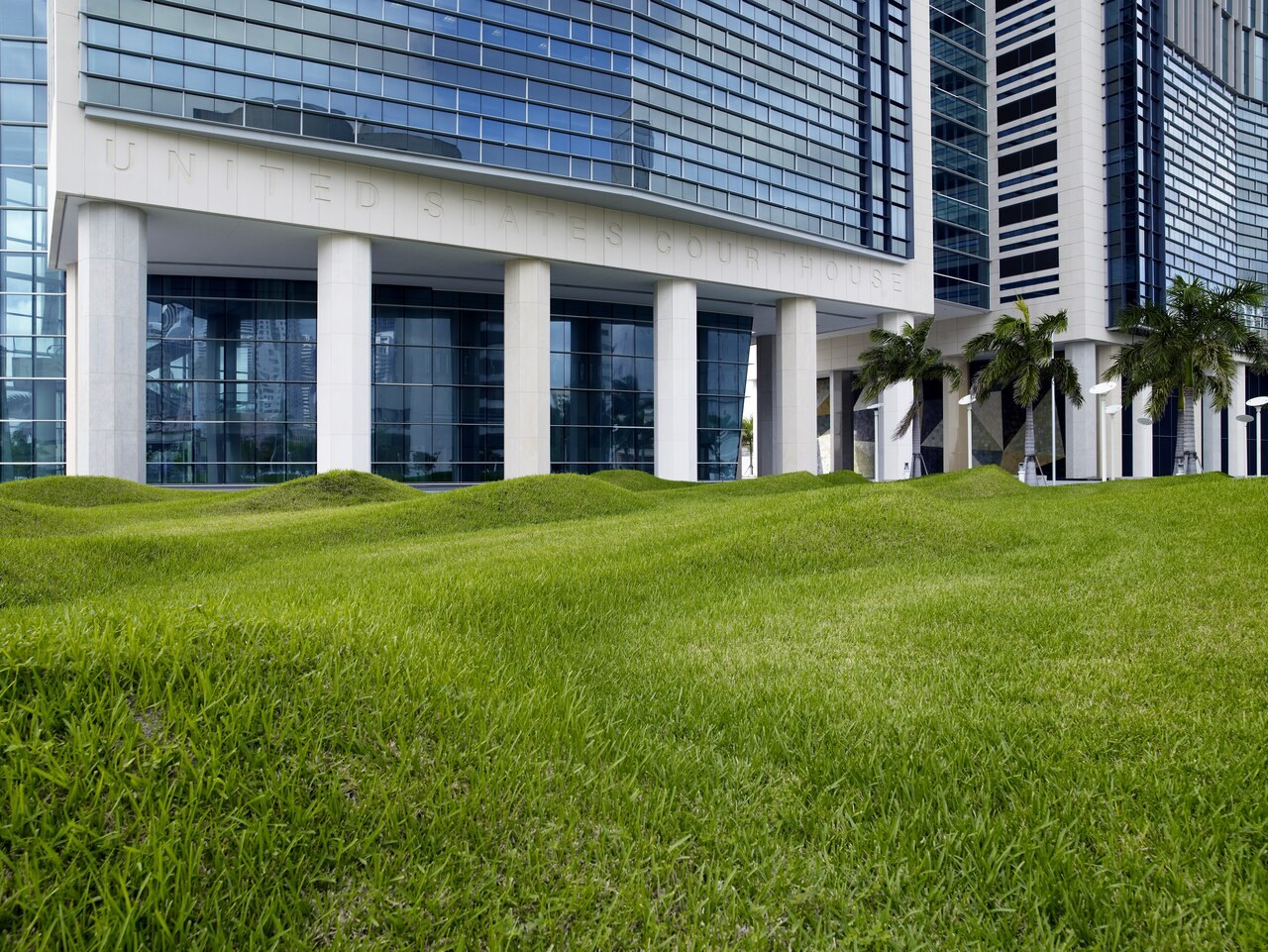
Haiti’s Moïse assassination trial resumed in Miami on 28 September 2026, with Haitian-American pastor Christian Emmanuel Sanon in the dock. He is accused of plotting to kill or kidnap President Jovenel Moïse, and opening statements followed on Tuesday 29 September.
A pastor on trial five years later
Sanon, 67, is a physician and pastor who lives in Palm Beach County, Florida, and holds both Haitian and US citizenship. He has pleaded not guilty to eight charges, including conspiracy to kill or kidnap a person outside the United States.
That charge carries a possible life sentence. US District Judge Jacqueline Becerra, who presided over the first trial in the case, is hearing this one too.
Jury selection took place on Monday 28 September. Gunmen had killed Moïse, 53, at his home in Port-au-Prince, Haiti’s capital, on 7 July 2021.
Two portraits in the opening statements
Assistant US Attorney Sean T. McLaughlin told jurors that Sanon was driven by “greed, arrogance and power,” the Miami Herald reported. He said Sanon flew to Haiti on a private jet with ballistic vests for a Colombian team.
Early plans to kidnap Moïse and put Sanon in his place failed, the prosecutor said, but Sanon pressed on. “Sanon doesn’t give up,” McLaughlin told the jury.
Defence lawyer Humberto Dominguez did not dispute that Moïse was killed, but said his client was not responsible. He placed Sanon’s ambitions in the turmoil of 2021, when Moïse’s term of office was in dispute.
Dominguez also attacked the credibility of cooperating witnesses who have pleaded guilty. “A person who kills another person, what would they not do for freedom to reduce their time?” he asked.
The widow’s testimony
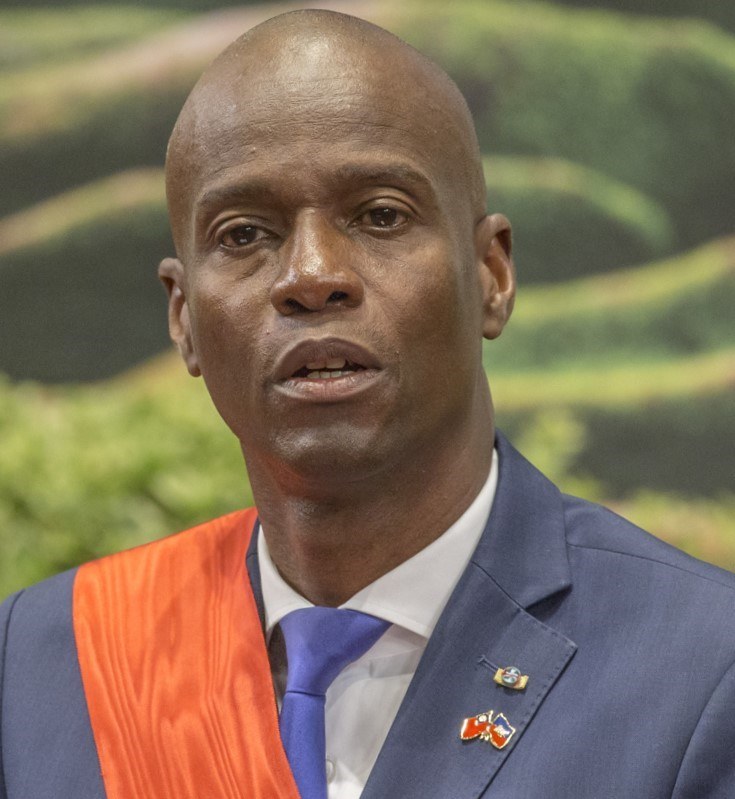
Former first lady Martine Moïse was the first witness, as she was in the earlier trial. She described being woken by gunfire in the middle of the night and her husband saying, “Honey, we are dead”.
She was shot in the arm in their bedroom and watched as her husband was killed. The couple’s two children hid in a bathroom downstairs.
Defence lawyers began their cross-examination on Tuesday and aim to show that the president had many enemies. Martine Moïse was due back on the stand on Wednesday 30 September.
How the case reached Miami
US prosecutors say the plot was planned and financed largely in South Florida. That gives US federal courts jurisdiction over the conspiracy.
In May 2026, a federal jury convicted four men: Arcángel Pretel Ortiz, Antonio Intriago, Walter Veintemilla and James Solages. The charges included conspiracy to kill or kidnap a person outside the United States, and they await sentencing.
Eight co-conspirators had pleaded guilty before that trial, and six of them testified, the US Attorney’s Office said on 8 May. Those guilty pleas are why cooperating witnesses now sit at the centre of the defence strategy.

A prosecution that keeps growing
On 20 September Haiti handed 18 suspects to US agents, as we reported. They include former Justice Ministry official Joseph Félix Badio and former Colombian soldiers, and belong to a 30-defendant indictment unsealed in Miami.
The same indictment alleges that pandemic relief loans were fraudulently obtained and laundered to help pay for the plot. Sanon’s lawyers called it a “surprising new indictment” days before his trial, the Associated Press reported.
One of the transferred Colombians, Victor Albeiro Pineda Cardona, pleaded not guilty on 28 September and was denied bail. Prosecutors say he belonged to the team that entered the president’s house first.
What it means for Haiti
Haiti’s own investigation has not reached trial in five years, slowed by gang violence and judges stepping down. For many Haitians, the Miami courtroom is where the facts of the plot are being tested in public.
The trial also shows how far Haiti still depends on outside institutions. Its government cited major difficulties in its own proceedings when it sent the 18 suspects to Miami.
No court has yet ruled on who in Haiti knew of the plot. On Tuesday, Martine Moïse declined to name the people she had once suspected.
What comes next
The trial continues this week with the cross-examination of Martine Moïse. The court has not published an expected end date.
No trial date has been made public for Badio and the other newly transferred defendants. Their cases will move through the same Miami court in the months ahead.
More: Haiti news, every day from The Rio Times.
Frequently Asked Questions
Who is on trial for the assassination of Jovenel Moïse in Miami?
Christian Emmanuel Sanon, a 67-year-old Haitian-American pastor and physician from Florida, is on trial. He has pleaded not guilty to eight charges, including conspiracy to kill or kidnap a person outside the United States.
Why is the Moïse case being tried in the United States?
US prosecutors say the plot was planned and financed largely in South Florida, which gives US federal courts jurisdiction. Haiti’s own investigation has stalled for five years amid gang violence.
Has anyone been convicted over the killing?
Yes. A Miami jury convicted four men in May 2026, according to the US Attorney’s Office for the Southern District of Florida. Eight co-conspirators had pleaded guilty before that trial.
Sources: US Attorney’s Office, Southern District of Florida – 18 defendants transported from Haiti, 21 September 2026 · US Attorney’s Office, Southern District of Florida – four defendants convicted, 8 May 2026 · US Attorney’s Office, Southern District of Florida – fundraiser sentenced, 23 July 2026 · Miami Herald (via Yahoo News) – opening statements, 30 September 2026
This article was produced by The Rio Times’ automated newsroom system. How we use AI · Report an error
Read More from The Rio Times