
Labé, a highland prefecture in northern Guinea, has cleared all 24 people who applied to stand in the regional council election on Sunday 29 November 2026. Saïkou Yaya Barry, the prefecture’s election director, said on Wednesday 11 November that the national election directorate (DGE) rejected none of them.
The vote for the Senate, the new upper house of parliament, on Sunday 20 December drew very few applicants there: Barry said nobody applied for the prefectural Senate seat and only one person for the regional seat. Guinea is among the world’s largest bauxite exporters, so its new institutions matter to buyers of the ore used to make aluminium.
Key Facts
·Who. Saïkou Yaya Barry, Labé’s prefectural election director (the local head of the vote), on Wednesday 11 November 2026.
·Regional race. 24 people applied in Labé; the national election directorate (DGE) validated all 24.
·Senate race. Barry reported no prefectural application and one regional application, from Dara-Labé mayor Aminatou Barry.
·Deposit. Senate candidates pay 30 million Guinean francs (about US$3,400); regional candidates pay no new deposit.
·Dates. Regional vote Sunday 29 November; Senate vote Sunday 20 December 2026.
·As of 12 November 2026, 03:00 GMT
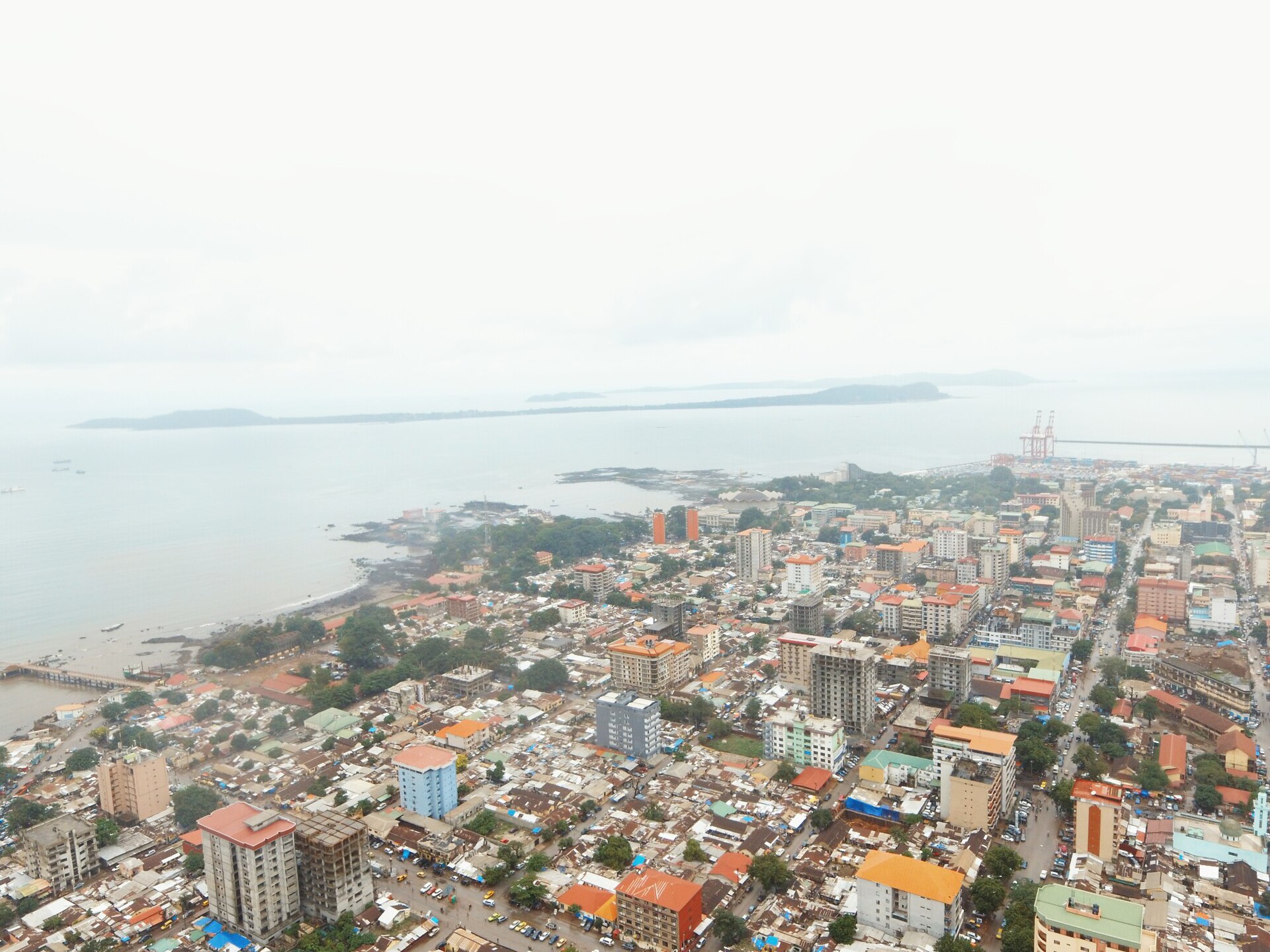
What Happened in Labé
Barry gave the figures on Wednesday 11 November 2026. “To date we have registered 24 candidacies for the prefecture of Labé and the DGE has validated all 24,” he said, translated from French, which means none was rejected.
He added that candidates for regional councillor pay no new deposit. In his account, the DGE treated the deposit they paid to stand as communal (local) councillors as covering the regional race too, and the DGE’s deputy director general, Georges Abraham Sorry, said the same on 18 October.
Why the Senate Race Looks Empty
Senate candidates must pay a deposit of 30 million Guinean francs (about US$3,400 at roughly 8,800 francs per US dollar), under a DGE decision signed on 18 October 2026. The same decision caps campaign spending at 300 million francs (about US$34,000) per candidate.
Barry said the deadline for the prefectural Senate seat passed with no application, although he had alerted sub-prefects, mayors and local media. “I do not know whether people were afraid of the 30 million or what,” he said, adding that he could not explain it.
For the regional Senate seat, Barry said he registered one candidate, Aminatou Barry, the mayor of Dara-Labé, a commune in the prefecture. The DGE had extended the original Senate filing deadline of 29 October to Saturday 31 October at 20:00, so the window had closed when Barry spoke.
How the Regional Vote Works
Citizens do not vote directly in the regional election. Elected communal councillors, who sit on local councils, are both the candidates and the voters in the regional election on 29 November.
The Senate is the new upper house of parliament. Its candidates pay a deposit, while regional candidates do not.
What It Means for You
Stable institutions matter to aluminium buyers and to investors in Guinea’s bauxite mines. One thin Senate field in one prefecture is a single data point, not a sign of unrest, and Barry himself wondered aloud whether the deposit put people off.
Our earlier report on the two campaign calendars sets out the dates of both campaigns. Our report on the draw for radio campaign slots covers a later step.
What Is Not Known
The Labé figures come from Barry’s own statement, and we could not find the DGE’s published Labé list to confirm them. We also could not find national totals, so we cannot say whether Labé’s empty prefectural race is typical.
What to Watch
The regional vote is on Sunday 29 November 2026 and the Senate vote on Sunday 20 December 2026. The DGE’s final candidate lists will show whether other prefectures also drew few Senate applicants, and more is in our Guinea coverage.
Frequently Asked Questions
When is Guinea’s regional election?
Guinea’s regional councillor election is on Sunday 29 November 2026. Its Senate election follows on Sunday 20 December 2026.
How many candidates did Labé validate?
Labé’s election director said the DGE validated all 24 regional candidacies and rejected none. For the Senate, he said one candidacy was registered in the region and none for the prefecture.
How much is the Senate deposit in Guinea?
The DGE set the deposit at 30 million Guinean francs per Senate candidate, about US$3,400. Regional council candidates pay no new deposit, because communal councillors already paid one.
Sources: statement by Saïkou Yaya Barry, prefectural election director of Labé, 11 November 2026; Guinea’s Direction Générale des Élections (DGE, the national election directorate), decision N° D/1166/MATD/DGE/2026 of 18 October 2026, dge.gov.gn.
This article was produced by The Rio Times’ automated AI newsroom. Editorial responsibility: Matthias Camenzind, Publisher and Editor-in-Chief. The Rio Times also runs Ask Rio Times, which answers from 100,000+ of our own articles, the daily Latin America Power Map, and prediction-market odds on elections and markets.. How we use AI · Report an error