
GHANA · ANTI-CORRUPTION
Key Facts
- The country Ghana is a West African democracy of about 34 million people and one of Africa’s biggest gold producers.
- What happened Ghana’s crime office asked the High Court to confiscate assets of businessman Bernard Antwi-Boasiako, known as Wontumi.
- The money The request covers GH¢50 million (about US$4.3 million) placed in Treasury bills, plus a mining concession and equipment.
- The claim The office says the Wontumi assets come from crime, starting with a 2018 bank loan.
- Still open The court has not ruled, and Wontumi’s separate mining conviction is under appeal.
Ghana wants a court to take Wontumi assets, led by GH¢50 million (about US$4.3 million) in Treasury bills. The Economic and Organised Crime Office, or EOCO, filed the request, and details emerged on Friday 30 October 2026.
Treasury bills are short-term government IOUs, and Ghana’s are a popular place for savers and foreign investors to park cedis. For US readers, the case tests how far Ghana will go to recover money, in a country where American companies mine gold and lend.
What the Crime Office Is Asking For
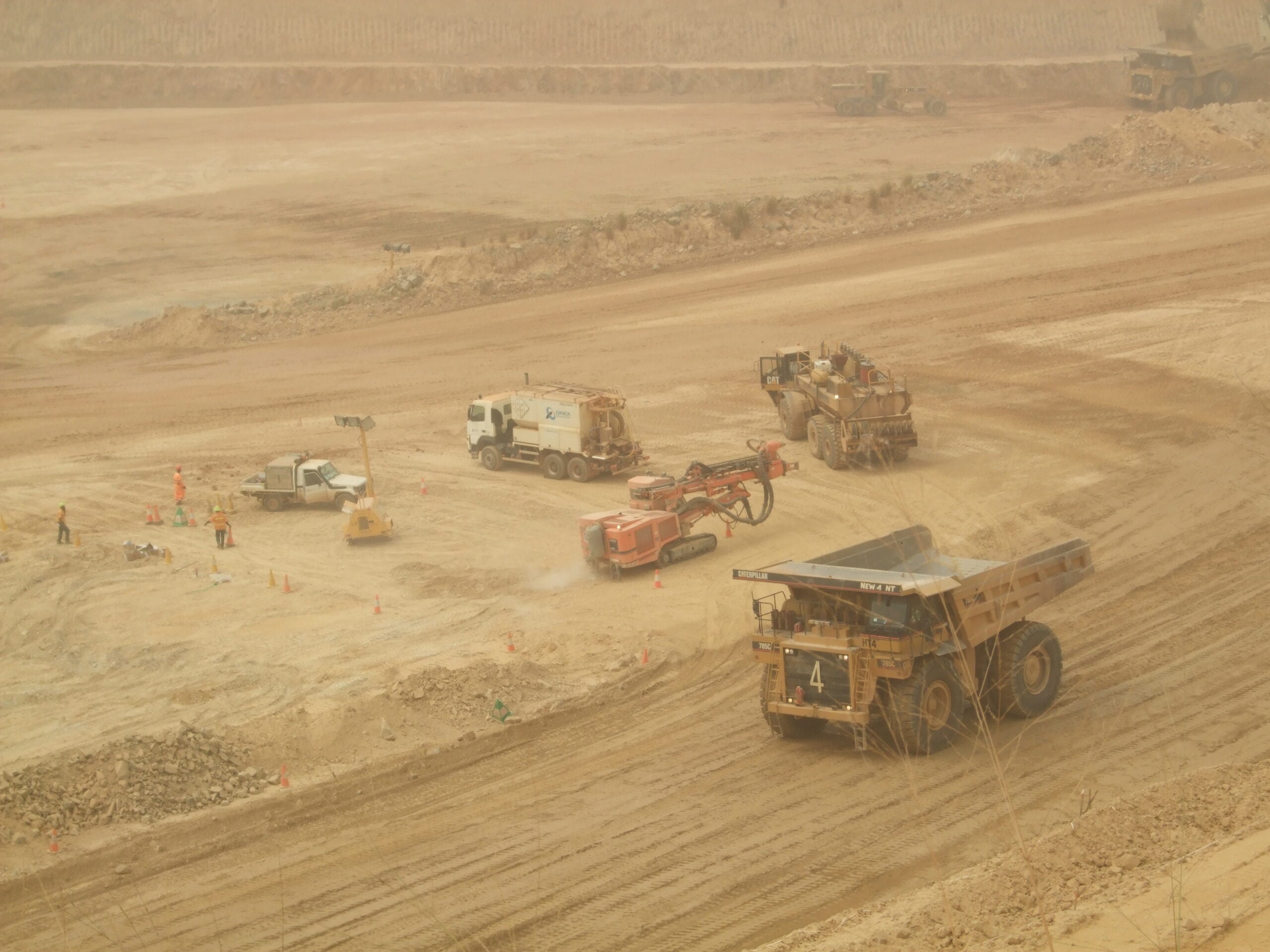
EOCO, Ghana’s state agency for financial crime, wants the court to let it seize Wontumi assets, the property of Bernard Antwi-Boasiako, popularly called Wontumi. The list includes the concession of Akonta Mining Limited, mining equipment, land, vehicles and investments.
The headline item is GH¢50 million (about US$4.3 million at 11.67 cedis to the dollar) placed in Treasury bills through Paradise Insurance Limited. EOCO also wants the interest, the maturity proceeds and any renewed or replacement investments.
Who Wontumi Is
Wontumi is a wealthy businessman and a senior figure in the New Patriotic Party (NPP), Ghana’s main opposition party since its December 2024 election defeat. He is fighting three criminal cases at the High Court in Accra, and the Wontumi assets request is a new front.
The request names him, Wontumi Farms Limited, Akonta Mining Limited and Paradise Insurance Limited as respondents. Akonta Mining is the company convicted alongside him in the mining case.
The 2018 Bank Loan at the Root
EOCO says its case rests partly on a 2018 loan from Ghana Export-Import Bank, a state lender, to Wontumi Farms for a farming project. The office alleges the company claimed about 100,000 acres of land when only about 5,000 acres were available and unregistered.
Prosecutors say the bank approved about GH¢18.7 million (about US$1.6 million) for the project. They allege GH¢400,000 (about US$34,000) meant for workers’ pay went to a personal account and an equipment invoice was altered.
How the Money Is Said to Reach the Mine
EOCO argues that Akonta Mining acquired its concession in 2021, after the loan, and that the timing shows a link. These are allegations in a court filing, not findings by a judge.
The office also cites a payment of about GH¢80 million (about US$6.9 million) that his firm Hallmark Civil Engineering allegedly received in January 2025. It came under a contract with COCOBOD, Ghana’s state cocoa board, and EOCO says only the part financed by loan money is tainted.
Why the T-Bills Matter
EOCO says about GH¢50 million (about US$4.3 million) of the cocoa-board payment was moved to Paradise Insurance and invested in Treasury bills. A High Court at Adenta, near Accra, has already frozen the investment, according to the office.
The office argues the Wontumi assets are still traceable even after the cash became bills. Ghana’s government said on 10 March 2026 that close to GH¢50 million linked to Wontumi had been frozen.
A Case Already in the Courts
On Monday 20 July 2026 an Accra High Court sentenced Wontumi to 20 years with hard labour for facilitating unlicensed mining at Samreboi. It also fined him GH¢120,000 (about US$10,300) and fined Akonta Mining GH¢180,000 (about US$15,400).
He filed an appeal against the whole judgment in late July 2026. Separately, prosecutors charged him on 15 May 2026 with defrauding the export-import bank, and he pleaded not guilty on 18 May.
What It Means for US Readers
The bid to seize Wontumi assets shows Ghana pursuing the proceeds of alleged corruption, not only prison terms. Investors in Ghanaian debt should note that frozen assets can include government securities held through insurers.
American firms operate gold mines in Ghana, and a clear fight against illegal mining and money laundering supports the rules they work under. Ghana also depends on foreign lenders, who watch how the country handles graft, as in our report on Ghana’s graft claims.
What Is Not Known
The High Court has not set a date to rule on the Wontumi assets request, and Wontumi has not publicly answered the specific claims. Nor is it known whether a court will treat the loan money as the source of the mining assets.
His lawyer asked on 5 June 2026 to open plea talks in the bank case, and no deal has been announced. A court is due to rule on 4 November 2026 on his bail request while the mining appeal proceeds.
More: Ghana news in English, every day from The Rio Times.
Frequently Asked Questions
What is EOCO asking the court to do?
EOCO wants the High Court to let it confiscate assets it says come from crime. They include GH¢50 million (about US$4.3 million) in Treasury bills and the Akonta Mining concession.
Who is Wontumi?
He is Bernard Antwi-Boasiako, a Ghanaian businessman and senior figure of the opposition New Patriotic Party. He is appealing a 20-year mining sentence handed down on 20 July 2026.
Has the court decided to seize the assets?
No. The filing is a request, and the court has not ruled. The Treasury bills are frozen under an earlier order.
What is the 2018 bank loan?
It is a loan of about GH¢18.7 million (about US$1.6 million) that Ghana Export-Import Bank approved for Wontumi Farms. Prosecutors say the farming project was not carried out as described.
What is COCOBOD?
COCOBOD is Ghana’s state cocoa board, which buys and markets the country’s cocoa. EOCO says a payment under a COCOBOD contract is part of the money trail.
Sources: Economic and Organised Crime Office, application to the High Court under the Economic and Organised Crime Act, 2010 (Act 804) and the Anti-Money Laundering Act, 2020 (Act 1044), filed 20 August 2026, 30 October 2026; High Court of Ghana, judgment in the Samreboi mining case, Justice Audrey Kocuvie-Tay, 20 July 2026.
This article was produced by The Rio Times’ automated newsroom system. How we use AI · Report an error · Editorial responsibility: Matthias Camenzind, Editor-in-Chief