Ghana Wants US$700 Million to Restart Its Aluminium Smelter
Africa · Western
Key Facts
—Capital need. Ghana requires more than US$700 million to modernise the VALCO smelter and clear power-sector debts.
—Investor search. Cabinet has approved a co-ownership model, not an outright sale, and a selection committee is evaluating bids.
—Production collapse. Output has fallen to around 40,000 tonnes per year from a design capacity of 200,000 tonnes.
—Integrated plan. The smelter revival is part of a US$2.3 billion push to build Ghana’s first alumina refinery and a full value chain.
—Geopolitical stakes. The project sits at the centre of global competition for low-carbon aluminium and critical mineral supply chains.
Ghana is courting private investors to revive VALCO aluminium operations with more than US$700 million in fresh capital, framing the smelter as the anchor of a sovereign industrialisation drive that could reshape West Africa’s position in the global critical minerals contest.
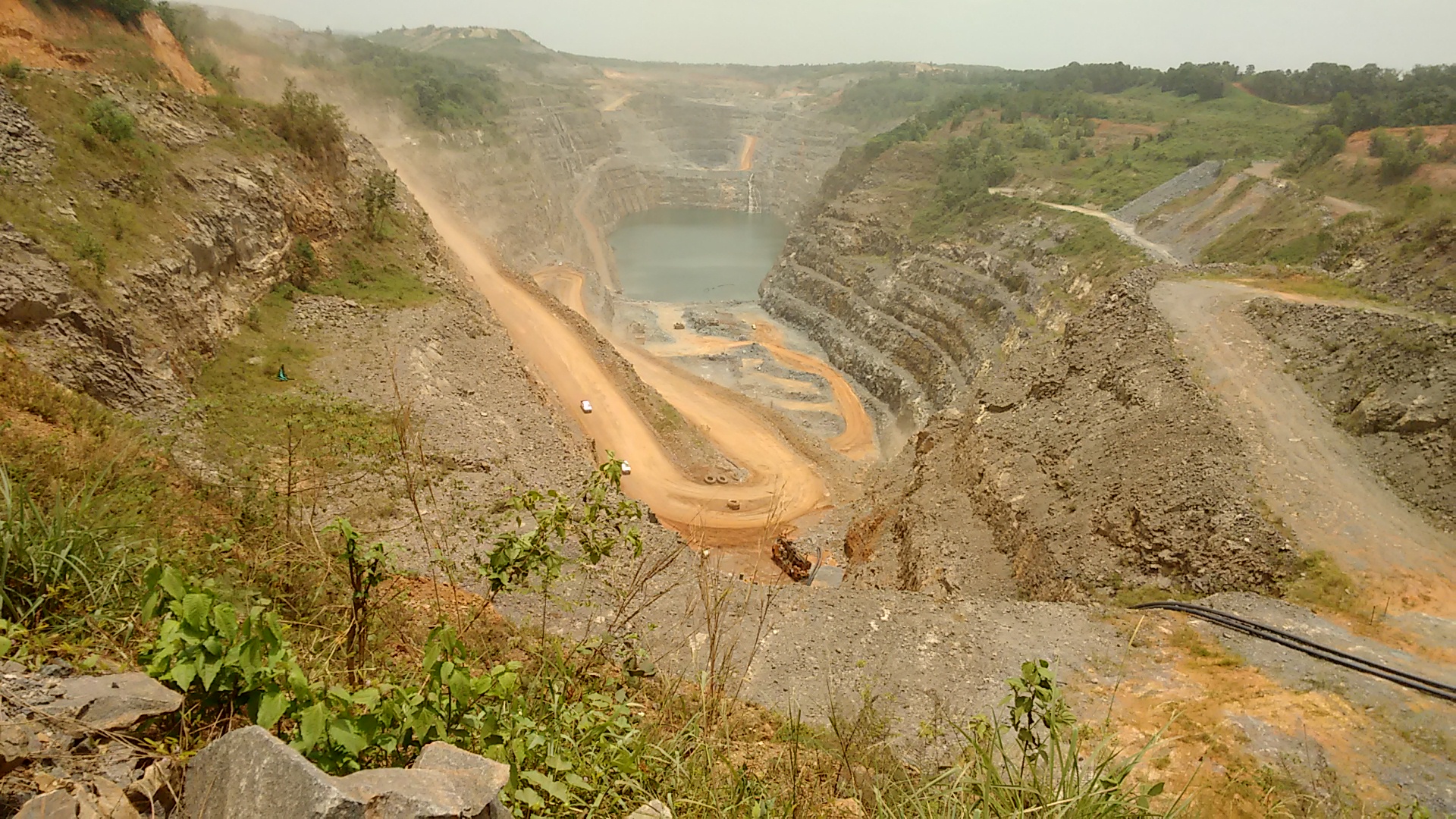
The search for a strategic partner
Ghana’s government has no intention of selling the Volta Aluminium Company, but it urgently needs a deep-pocketed partner. Lands and Natural Resources Minister Emmanuel Armah-Kofi Buah told workers on 30 July 2026 that Cabinet had approved the hunt for a strategic investor.
“Nobody will sell VALCO,” he said during a visit to the Tema plant. “We are only looking for the right partner to help turn the company around.” The minister cited more than US$700 million in required investment, including over US$250 million in power-related debts alone.
The process is already fairly advanced. A dedicated inter-ministerial Investor Selection Committee was inaugurated in late 2025. By January 2026, its options analysis report had been submitted, effectively shortlisting global contenders for the aluminium value-chain build-out.
A US$600 million smelter inside a US$2.3 billion dream
The figure officials most often cite for the smelter itself is around US$600 million. Reindorf Twumasi Ankrah, CEO of the Ghana Integrated Aluminium Development Corporation (GIADEC), has used that number repeatedly since Cabinet first approved the investor search in mid-2022.
But the VALCO retrofit is only one piece of a far larger puzzle. GIADEC has structured Ghana’s aluminium ambitions around four interlinked projects. Together they carry a price tag of roughly US$2.3 billion and include building the country’s first alumina refinery.
Officials describe the package as the most consequential industrial undertaking since the original Volta River Project of the 1960s. That scheme created both the Akosombo dam and the smelter now in need of rescue.
What the money would buy
VALCO’s potlines and cell technology date largely from the 1960s. The plant is energy-inefficient and prone to breakdowns. Output has collapsed to between 35,000 and 40,000 tonnes per year, against a design capacity of about 200,000 tonnes.
The revival blueprint is ambitious. It targets 100,000 tonnes in year one, a return to 200,000 tonnes, and then expansion to at least 300,000 tonnes by adding a new 100,000-tonne line. All six production lines would need retrofitting within roughly 36 months of investment.
An internal analysis breaks the smelter cost into two main chunks. About US$351 million would optimise and run two full production lines. Another US$239 million would upgrade cell technology on three currently idle lines, with further sums for carbon, cell-line and cast-house upgrades.
Debt, power and the ownership question
VALCO carries a heavy debt overhang. GIADEC estimates total legacy obligations at US$400 million to US$450 million. Of that, between US$200 million and US$300 million is owed to the Volta River Authority and Ghana Grid Company.
The government insists the model is co-ownership, not privatisation. GIADEC’s CEO has said private capital will come in for equity, but the state will remain a shareholder and retain strategic control. Some investor proposals initially eyed up to a 70 percent stake, though no final structure has been agreed.
Worker protection is politically sensitive. In July 2026, employees demonstrated over fears of a sale. The minister responded by promising a workers’ representative on the investor selection committee and insisting that staff retention plans are a key criterion for any deal.
The great-power contest over African aluminium
The VALCO revival sits squarely inside the global race for critical minerals. Aluminium is essential for electric vehicles, power grids and renewable energy infrastructure. Demand is rising fast with the energy transition.
Ghana’s strategy is explicitly designed to avoid a repeat of enclave extraction. Chinese firms have invested aggressively in Guinean bauxite, securing long-term supply for their own smelters. GIADEC’s co-ownership model and insistence on domestic refining capacity aim to keep more value inside Ghana.
That posture aligns with Western interest in “friend-shoring” critical mineral supply chains. It creates potential competition among Chinese state-owned enterprises, Western aluminium majors, Gulf sovereign investors and local consortia. The outcome will help define who controls West Africa’s aluminium value chain, a theme explored in our pillar Africa: The New Scramble.
IMF constraints and the “reset agenda”
Ghana’s recent debt distress and IMF programmes have closed off large state-led industrial investments. Officials say plainly that the government does not have US$600 million to put into VALCO. Private equity and offtake-backed financing are the only viable routes.
President John Dramani Mahama, returned to office in 2025, has made VALCO a centrepiece of his “reset agenda” and a proposed 24-hour economy. The argument is that modernising the smelter dovetails with a US$10 billion infrastructure programme and a push to move Ghana beyond raw material exports.
The tension is structural. Ghana wants sovereign industrialisation and value retention. But under IMF-conditioned budgets, it must lean on foreign capital. That could reduce its bargaining power on tariffs, governance and labour standards.
What to watch next
The investor selection process is now in its final stages. The committee’s shortlist is expected to yield a preferred bidder, after which negotiations on equity structure, power supply and job guarantees will intensify.
Power pricing remains a flashpoint. VALCO has historically enjoyed discounted electricity tariffs, straining the grid and provoking public controversy. Current discussions require bidders to propose power-supply solutions, including self-generation or renewables.
The green aluminium angle will grow in importance. EU carbon border measures and global supply-chain rules are pushing producers toward lower-carbon, traceable production. GIADEC’s “green aluminium” narrative reflects an understanding that market access will increasingly depend on carbon footprint, a factor that may tilt the scales toward Western or Gulf partners with renewable power options.
Connected Coverage
More: Ghana news in English, every day from The Rio Times.
Frequently Asked Questions
Is Ghana selling VALCO to foreign investors?
No. The government has repeatedly stated VALCO is not for sale. It is seeking a strategic investor for a co-ownership arrangement in which the state retains a shareholding and strategic control. The exact equity split will be determined through negotiations.
How much money does VALCO need and why?
The smelter requires over US$700 million to modernise ageing 1960s-era equipment, clear more than US$250 million in power-sector debts, and expand capacity to 300,000 tonnes per year. This is part of a broader US$2.3 billion plan that includes building Ghana’s first alumina refinery.
Why does the VALCO revival matter beyond Ghana?
Aluminium is a critical mineral for the global energy transition. Ghana’s push to build an integrated value chain, rather than simply exporting raw bauxite, is a test case for African resource sovereignty. The choice of investor will signal whether Chinese, Western or Gulf capital shapes West Africa’s aluminium future.
Sources
- myjoyonline.com
- newsghana.com.gh
- ghanaweb.com
- ghanaweb.com
Sources: Lands and Natural Resources Minister Emmanuel Armah-Kofi Buah.
This article was produced by The Rio Times’ automated newsroom system. How we use AI · Report an error
LatAm Markets: Live Signals → — real-time movers, turnover leaders and FX across Latin America.
Read More from The Rio Times