Garry Conille Takes the Helm: Navigating Haiti’s Turbulent Transition
Haiti is turning over a new leaf as Garry Conille confidently steps up once again as interim Prime Minister.
The nation, grappling with severe gang violence and a glaring leadership void, sees hope in Conille’s seasoned leadership.
In 2011-2012, he previously served in this crucial role and boasts a strong background with UNICEF in crisis management.
The recent resignation of Prime Minister Ariel Henry catalyzed this significant appointment.
He had left Haiti to secure support for a U.N.-backed security mission, led by Kenya.
Since President Jovenel Moise’s assassination in 2021, Haiti has faced a leadership crisis, intensifying the need for stable governance.
Conille’s pivotal return positions him to guide Haiti toward elections by February 7, 2026, under Edgard Leblanc and the transition council’s oversight.
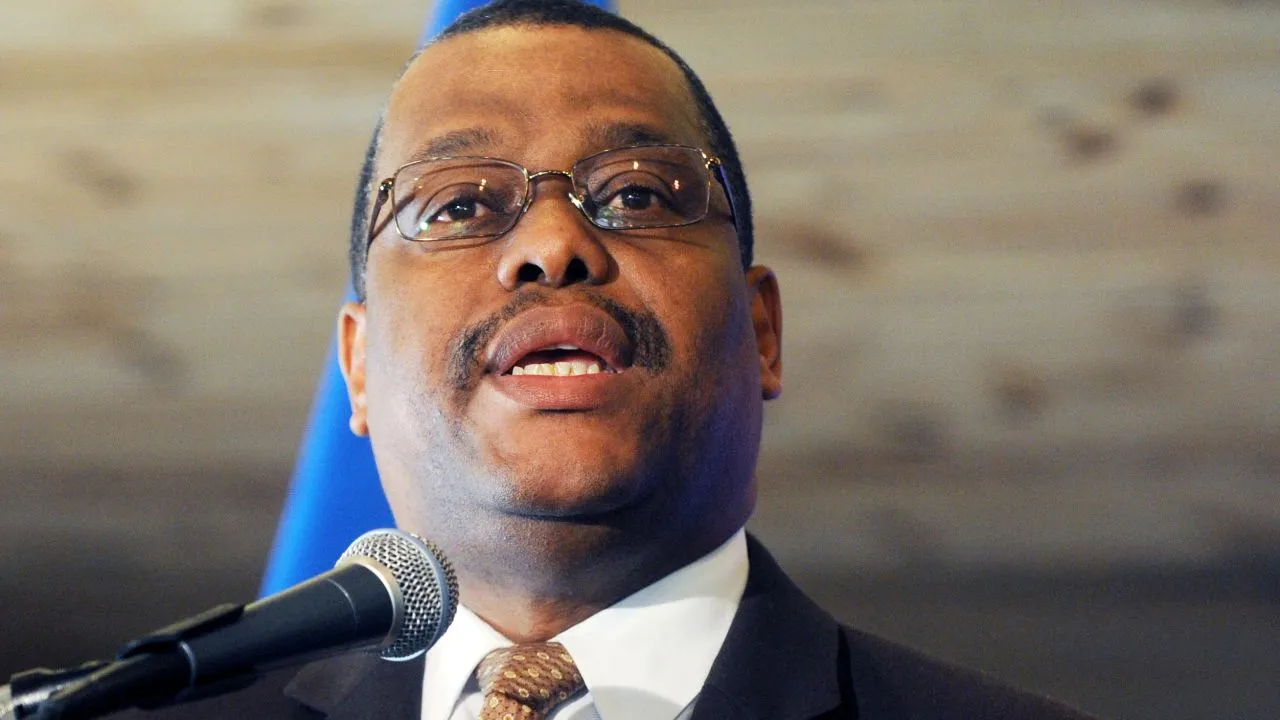
His global experience is invaluable as Haiti prepares for international collaborations to stabilize the country.
Yet, Conille’s appointment faced hurdles, including questions about his residency, due to constitutional requirements.
He cited his G4 visa to address these concerns, explaining that it restricts his residency status to international civil servants.
As he takes on this formidable role, Conille confronts massive challenges. The ongoing gang conflicts have displaced over 360,000 Haitians, mostly in the capital.
His leadership fosters hopes of significant reforms and recovery, aiming for a future of safety and prosperity.
Indeed, Conille’s leadership is a beacon of hope, signaling potential peace and rebuilding for Haiti.
His experience and diplomatic connections are expected to attract essential international support, crucial for steering Haiti through these tumultuous times.
More: Latin America news in English, every day from The Rio Times.
This article was produced by The Rio Times’ automated newsroom system. How we use AI · Report an error · Editorial responsibility: Matthias Camenzind, Editor-in-Chief