Yesterday, marked a notable moment for the Panama Canal, now allowing ships with a draft of 45 feet.
Thanks to recent rains, Lake Gatun, the canal’s main water supplier, is brimming. This significant adjustment, originally slated for June 15, has been expedited.
Mother Nature prompted a swift response from the Panama Canal Authority (ACP). Moreover, the ACP has increased the number of daily ship passages.
Since May 16, the Panamax locks have seen an increase, facilitating 24 ships a day, up from 17.
Come June 1, the Neopanamax locks will also enhance their capacity, allowing 8 ships a day, previously 7. Consequently, a total of 32 vessels will navigate this route daily.
Important developments occurred on May 26, with water levels in the Gatun and Alhajuela reservoirs surpassing last year’s records.
This reversal is crucial, signaling a recovery from recent droughts linked to climate change and El Niño.
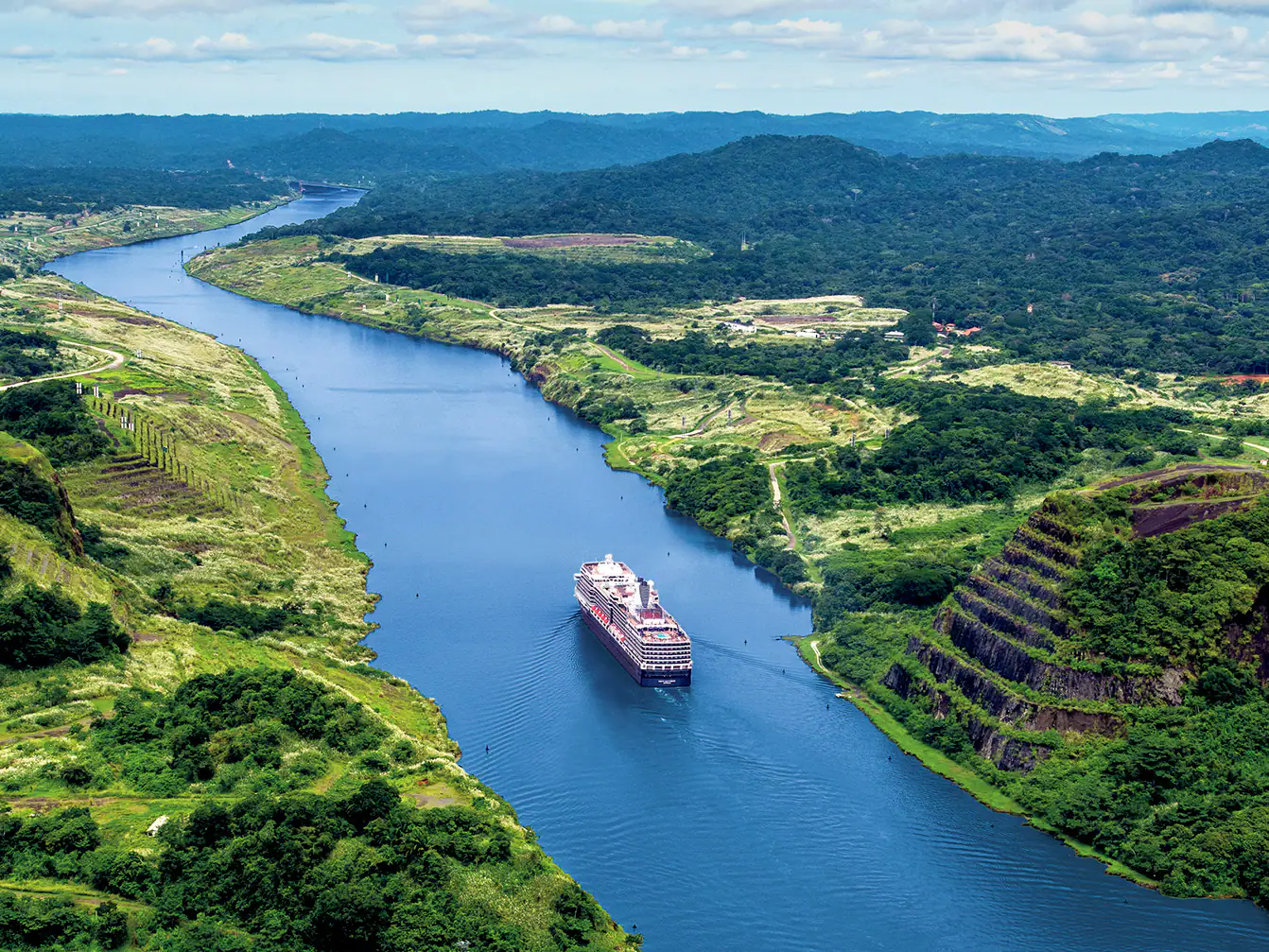
The ACP diligently monitors the weather, adjusting operations as needed to ensure the canal operates efficiently, regardless of the challenges posed.
Ricaurte Vásquez, the canal’s administrator, had optimistically predicted in March that operations might normalize before next February. His predictions are proving accurate.
Why is this significant? The Panama Canal is not merely a waterway; it is an essential conduit for global maritime trade, connecting the Atlantic and Pacific oceans.
Background
Container shipping saw a record rise in costs, up $500 in late December 2023. This spike occurred amid disruptions on crucial sea paths, notably the Panama Canal.
A significant drop in ships using the Panama Canal shows the extent of the disruption.
The problems in the Panama Canal are particularly critical for certain markets. About 22% of trade from Chile and Peru depends on this route.
Ecuador also feels the impact, with 26% of its trade passing through the canal.
This canal is a key trade route, moving $270 billion in goods annually, and is Panama’s top income source.
More: Latin America news in English, every day from The Rio Times.
This article was produced by The Rio Times’ automated newsroom system. How we use AI · Report an error · Editorial responsibility: Matthias Camenzind, Editor-in-Chief