Gabon Promises Port-Gentil a Steel Plant, 50 MW of Power and Rare Earths
Key Facts
- What happened. The cabinet held its meeting of 18 September 2026 in Port-Gentil, Gabon’s oil hub, and announced industrial and energy measures for the city and the Ogooué-Maritime province.
- How big. Two thermal power plants are to add 50 MW in the coming months, with a target of 150 MW of new capacity by 2032. The steel plant of the company Foberd is expected to create 200 direct and 300 indirect jobs.
- The catch. Most announcements have no published budget or start date. Port-Gentil’s problems — youth unemployment, company closures and capital flight — were named by the president himself.
- Who it hits. Residents and businesses in Port-Gentil, Gabon’s construction sector, and mining investors watching the Maboumine rare-earth project in the Ozouri zone.
- What comes next. A toll on the Port-Gentil–Omboué road, co-managed by the city and the national gendarmerie, is to fund road maintenance. The government says the power plants will arrive within months.
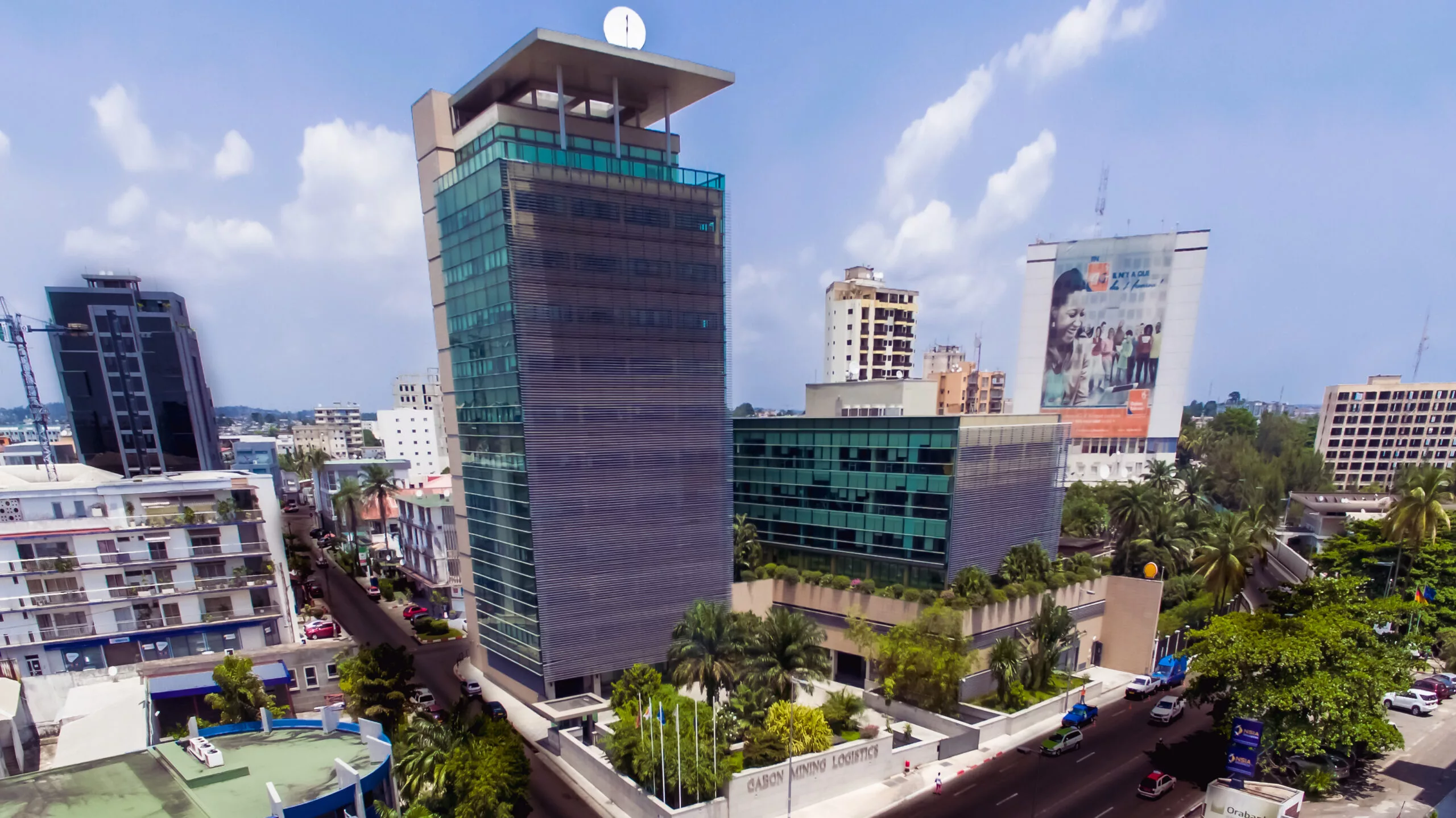
Gabon’s government took its weekly cabinet meeting to the oil city of Port-Gentil and left with a list of promises: rare-earth mining, a steel plant, two power stations and a toll road. The city needs them.
Gabon’s Council of Ministers met in Port-Gentil, the country’s economic capital, on Friday 18 September 2026. President Brice Clotaire Oligui Nguema used the visit to announce state support for rare-earth mining in the Ogooué-Maritime province. He also announced a new steel plant, two thermal power plants with a combined 50 megawatts, and a toll on the road to Omboué.
Why the cabinet went to Port-Gentil
Port-Gentil is the historical centre of Gabon’s oil industry. Oil still pays most of the state’s bills, but output is declining, and the government knows the city needs a second base. Holding the Council of Ministers there, away from the capital Libreville, was a deliberate signal. The president said national development cannot be planned from Libreville alone.
He was unusually direct about the city’s condition. He listed persistent youth unemployment, companies reducing or stopping their activities, capital leaving the country, weak urban maintenance and the effects of corruption on business confidence. None of this is new, but it is rarely read into the official record this plainly.
What was actually announced
Four measures stand out. First, the state will support the operator Maboumine in developing rare-earth deposits in the Ozouri zone. Rare earths are a group of metals used in magnets, batteries and electronics. The government says the project must respect environmental standards, local content rules and the interests of nearby communities.
Second, the president welcomed a steel plant in Port-Gentil built by the company Foberd, backed by the Cameroonian businessman Bernard Fokou. The plant makes rebar and other steel products for construction and is expected to create 200 direct and 300 indirect jobs. For a country that imports most of its building materials, local steel is a small but real step toward diversification.
Third, two thermal power plants are to add 50 megawatts of capacity in the coming months, with a target of 150 megawatts by 2032. Power reliability is one of the most common complaints of businesses in Gabon’s cities. Fourth, a toll will be introduced on the road between Port-Gentil and Omboué to pay for its maintenance. The rehabilitation of the Port-Gentil trade fair grounds and the construction of a new university, named after Pierre-Louis Agondjo Okawé, were also confirmed.
What this means for expats and investors
For foreign residents and companies in Port-Gentil, the practical items are the power plants and the road toll. More reliable electricity lowers the cost of running a business; a toll adds a small recurring cost for anyone using the Omboué road. For investors, the rare-earth signal matters more than the size: Gabon is openly marketing itself as open to mining capital, with local content and community conditions attached.
What Is Not Known
The government communiqué gives no budget, no construction timeline and no operator for most of the measures. The toll tariff and its start date have not been published. The Maboumine rare-earth project has no announced production date, and it is unclear how the environmental conditions will be monitored. Whether the two power plants are new builds or expansions of existing sites is also not stated.
Gabon has announced industrial plans before, and delivery has often lagged the speeches. The honest reading of this cabinet meeting is a direction, not a result: the state is spending political capital on Port-Gentil, and the next few budgets will show whether money follows.
Frequently Asked Questions
What did Gabon announce for Port-Gentil?
At a cabinet meeting in the city on 18 September 2026, the government announced support for rare-earth mining by Maboumine in the Ozouri zone. It also announced a Foberd steel plant with about 200 direct jobs, two thermal power plants adding 50 MW, and a maintenance toll on the Port-Gentil–Omboué road.
What are rare earths and why do they matter for Gabon?
Rare earths are metals used in magnets, batteries and electronics, and demand is growing with the energy transition. For Gabon, which depends on declining oil output, a rare-earth project is part of the search for a new export base.
Will the new power plants end outages in Port-Gentil?
The government says the two plants will add 50 MW in the coming months and aims for 150 MW of new capacity by 2032. No commissioning dates have been published, so the effect on outages cannot be judged yet.
Connected Coverage
Sources
Gabon Actu — Communiqué final du Conseil des ministres du 18 septembre 2026 · Gabon Media Time — Communiqué final du Conseil des ministres
This article was produced by The Rio Times’ automated newsroom system. How we use AI · Report an error
Read More from The Rio Times