Europe Intelligence Brief — Friday, November 6, 2026
Executive Summary
Europe Intelligence Brief for November 6: Belgium's King weighs De Wever's resignation, the Bank of England raises rates to 4 percent.
Europe wakes on Friday to a morning of verdicts, with a king in Brussels due to rule on his prime minister, a central bank in London that has just made borrowing dearer, and a French street that has walked off the job. The mood is less anger than fatigue with a hint of dread, because every decision lands while prices are still the first worry at the kitchen table.
The register is guarded. People in Paris, Brussels, Warsaw and London are being asked to wait or to pay more, and each has started to ask who is really in charge.
The through-line is authority under strain. Every quarrel today, from a budget to a court to an interest rate, is a fight over who has the right to decide and who pays for the answer.
Key Facts
France. French unions are on strike over the 2027 budget.
Belgium. King Philippe is due to decide on Friday whether to accept Prime Minister Bart De Wever’s resignation.
Britain. The Bank of England raised its key interest rate to 4 percent on 5 November by eight votes to one.
Poland. The Constitutional Tribunal’s president was suspended on 30 October and kept out of the court.
Ukraine. Russia–Ukraine–US talks in Abu Dhabi are expected in the first half of November, date unconfirmed.
France: A Strike Day On A Shrinking Street
France is on strike over the 2027 budget, and the day is as much a mood as a stoppage. Gaps on the rail network turn a political argument into something every commuter feels before breakfast.
The street itself looks smaller than the slogans suggest, and that shrinkage is part of the story. It says something about how Paris has learned to read protest.
Belgium: A King Weighs A Government’s Fate
Prime Minister Bart De Wever offered his government’s resignation on Monday 2 November after talks on the 2027 budget collapsed. The palace said the King “regrets that no agreement has been reached on a credible budget tailored to the current challenges” and added that the country cannot afford a prolonged crisis. De Wever had sought 10 billion euros (about US$11.2 billion) in cuts or new revenue, the Brussels Times reported, in a country whose deficit of 5.2 percent of GDP is the highest in the euro area.
The mood in Brussels is that of a family waiting for a verdict it half expects. A budget row that ends with a king deciding is a reminder that Belgium’s politics runs on compromise, and compromise has run short.
Poland: One Court, Two Claims To Authority
Judge Anna Korwin-Piotrowska suspended the Constitutional Tribunal’s president, Bogdan Święczkowski, and his deputy on 30 October, and riot police kept both out of the building. The scene of police at a courthouse door says more about the register than any statement. Two sides now claim to speak for the same institution, and each treats the other as the intruder.
The anger is on the street as much as in the chambers, and it is aimed at who gets to say what the law means. For outside observers, the lesson is that a court is only as strong as the agreement to obey it.
United Kingdom: A Rate Rise Nobody Cheers
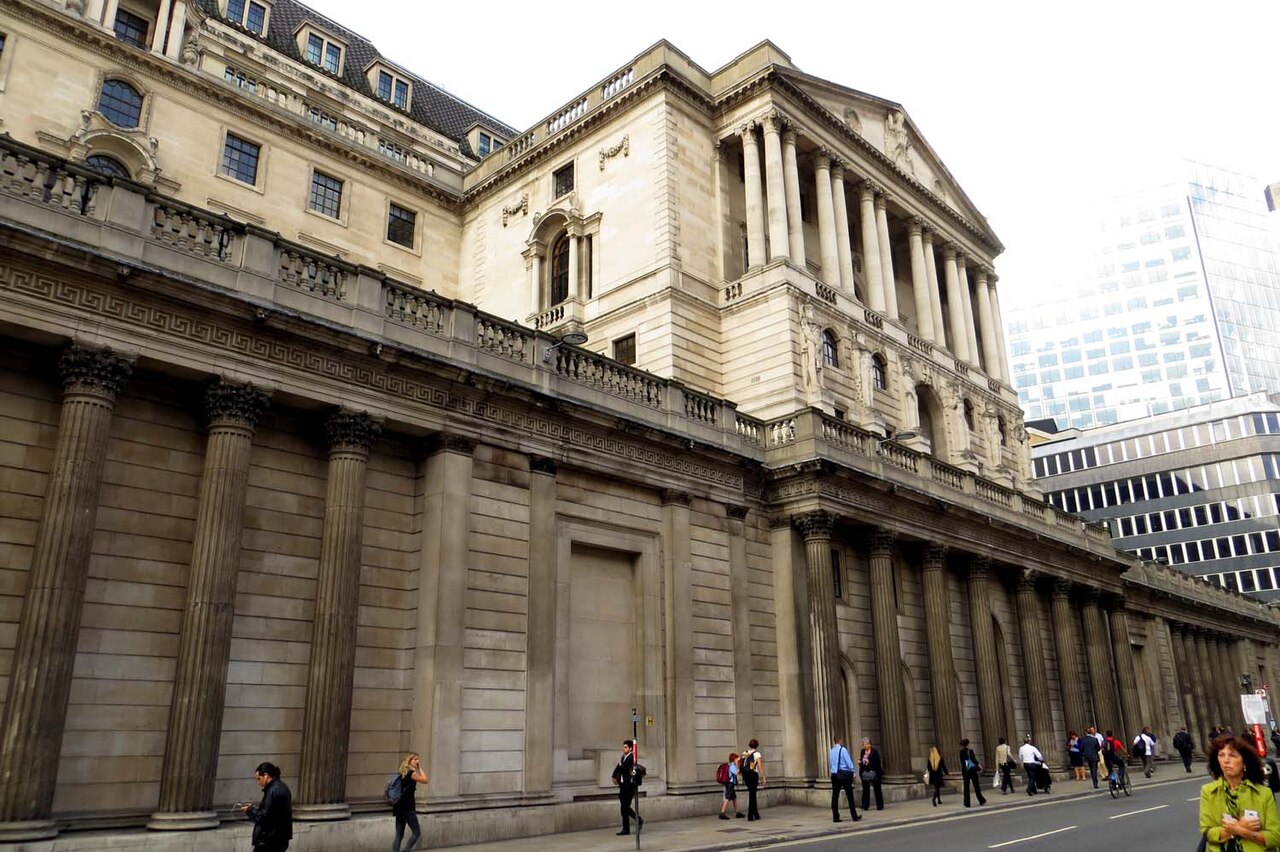
The Bank of England raised its Bank Rate by 0.25 points to 4 percent on 5 November, by eight votes to one. Catherine Mann voted for a half-point rise, and the Bank said higher energy prices linked to the Middle East conflict justified acting.
The Bank expects UK inflation, 3.5 percent in September, to rise to about 5 percent by mid-2027 before easing. Committee member Alan Taylor said this is not the start of a hiking cycle, and the next decision is due on 17 December.
The tone is reluctant rather than triumphant, since a rise that protects against inflation also lands on households already counting every bill. That is why the move feels like a burden shared rather than a victory claimed.
Ukraine: Talks Without Trust
The talks are pending, and the feeling around them is war fatigue rather than expectation. Each announced round arrives with a date that may move and a promise that may not hold.
Trust is the missing ingredient, and everyone at the table appears to know it. The negotiators are meeting because the alternative is silence, not because either side believes the other.
For a European public that has paid for the war in energy bills, another round feels more like a ritual than a hope. Hope is not absent, but it is rationed.
What This Means From Latin America
Europe’s cost-of-living mood now has a tighter lender behind it, because a Bank of England that raises rates to guard against energy-driven inflation signals a cautious winter for European demand. That matters to Latin American exporters of soy, copper and oil, who sell into a continent that is counting its euros.
Political attention in Brussels is also finite, and a Belgian budget crisis and a Polish court fight leave less of it for partners elsewhere, Latin America included. Diplomats courting the European Union should expect slow replies this month.
What We Are Watching
- Friday, 6 November: King Philippe’s decision on Belgium’s government — The palace expects a decision after consulting coalition parties. It will show whether Brussels gets a new deal or a new election.
- Friday, 6 November, 2:00 a.m. ET: German industrial production for September — Output is forecast flat, against a rise of 2 percent previously. A fall would feed the unease behind Germany’s polls.
- First half of November (date unconfirmed): Russia–Ukraine–US talks in Abu Dhabi — The date is unconfirmed, so any announcement should be read with care. It would test whether the fatigue described above is justified.
- Tuesday, 10 November, 8:00 a.m. ET: Ukraine inflation for October — The rate is forecast at 10.9 percent, against 10 percent previously. It shows how war-time prices weigh on households.
- Thursday, 12 November, 2:00 a.m. ET: UK GDP for the third quarter — Growth is forecast at 0.4 percent, against 0.5 percent previously. It tests whether the Bank of England raised rates into a slowing economy.
- Thursday, 17 December: next Bank of England decision — The Bank says policy is not on a pre-set path. Another rise would turn a single move into a cycle.
Background: France Braces for Nov. 5 Nationwide Strike.
Frequently Asked Questions
What did the Bank of England decide on 5 November?
It raised Bank Rate by 0.25 points to 4 percent, by eight votes to one. One member wanted a half-point rise because of energy-driven inflation.
What happens next in Belgium’s government crisis?
King Philippe is due to decide on Friday 6 November whether to accept Prime Minister Bart De Wever’s resignation. He is consulting coalition parties first.
Why does Poland’s Constitutional Tribunal have two leaders?
One judge suspended the court’s president on 30 October. Riot police then kept him out of the building, so two claims to authority now sit side by side.
When are the next Russia–Ukraine talks?
Talks in Abu Dhabi are expected in the first half of November, but the date is unconfirmed. Until it is fixed, treat any announcement with caution.
This article was produced by The Rio Times’ automated newsroom system. How we use AI · Report an error · Editorial responsibility: Matthias Camenzind, Editor-in-Chief
LatAm Markets: Live Signals → — real-time movers, turnover leaders and FX across Latin America.
Read More from The Rio Times