USA & Canada Intelligence Brief — Friday, November 6, 2026
Executive Summary
USA & Canada Intelligence Brief for November 6: Congress split, Canada's US$44 billion deficit budget and an Iran ceasefire priced at 39.5%.
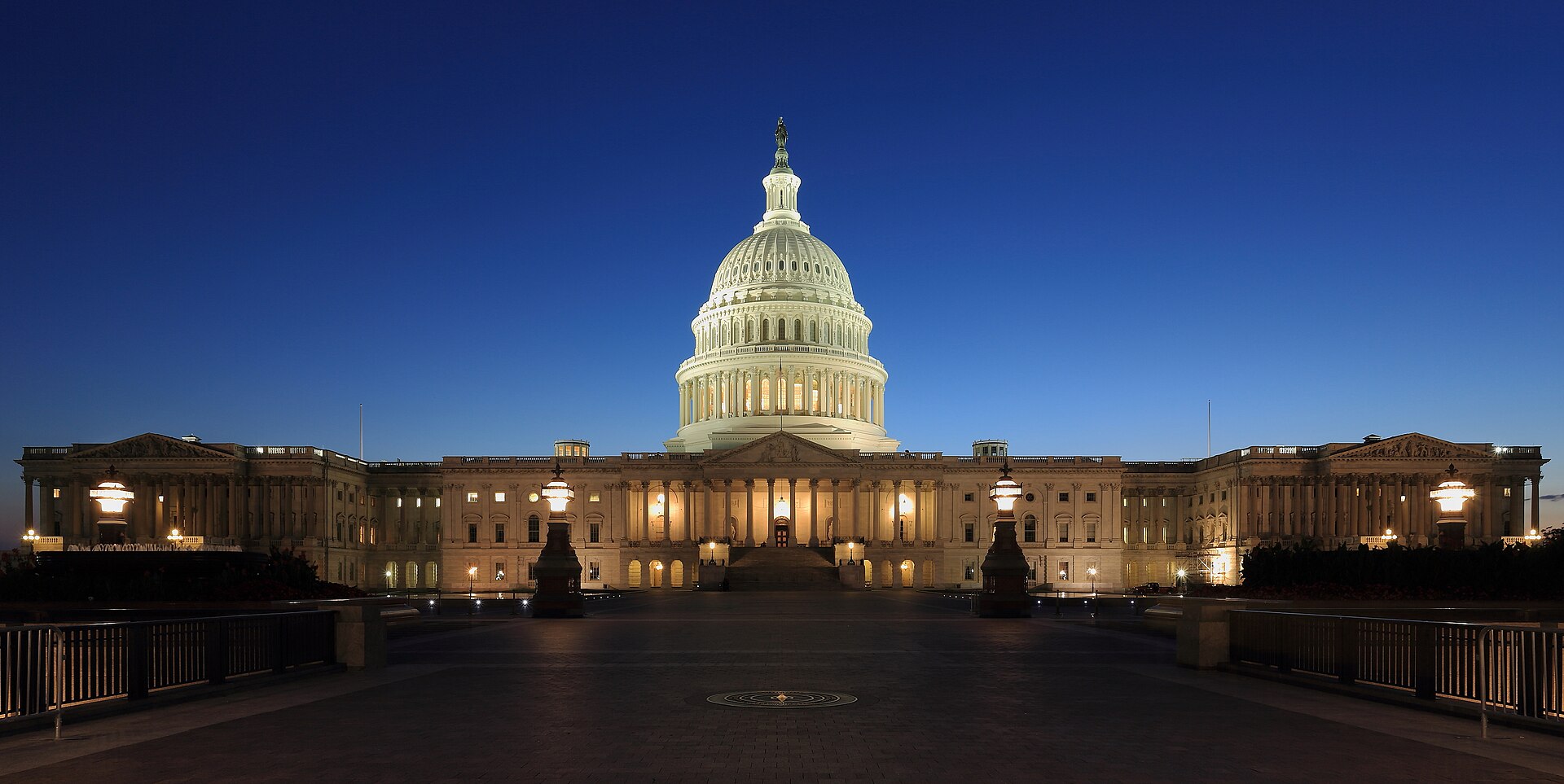
Canada met its own day of reckoning, a federal budget that the government presents as a plan for independence and its critics call a credit card. The register is brisk on the surface and wary underneath, with each side talking loudly because the machinery for acting is still out of reach. In Tehran the tone is the opposite, quiet words and a finger near the trigger.
The through-line is that everyone is bargaining from a position of partial power. Washington cannot override a veto, Ottawa cannot command Washington, and the Gulf cannot hear a clear answer from either.
Key Facts
House. Democrats led with 240 of 435 seats on Wednesday afternoon, with dozens of races still uncalled.
Veto. Overriding a Trump veto needs 290 House members and 67 senators, far beyond Democratic reach.
Canada. Ottawa plans a 2026-27 deficit of US$44.3 billion (C$62.3 billion), down to US$37.6 billion by 2030-31.
Jobs. US weekly jobless claims fell to 189,000 against 196,000 forecast; October payrolls land at 8:30 a.m. ET today.
Prediction markets. .
Washington: Winners Learning The Limits Of Winning
The mood is confident but cautious, because every promise runs into the same signature. The new majority can summon witnesses far more easily than it can change a law. For American households the practical result is more noise first and any relief on prices much later.
Ottawa: A Budget Sold As Mastery, Attacked As Borrowing
Finance Minister François-Philippe Champagne tabled the federal budget on Thursday 5 November, the second under Prime Minister Mark Carney. It projects a deficit of C$62.3 billion (about US$44.3 billion) for 2026-27, shrinking to C$52.9 billion (about US$37.6 billion) by 2030-31.
The tone in Ottawa is that of a government trying to look in command of a country whose largest customer sets the terms. It is a budget written with one eye on Washington.
Tehran: A Pause With Fingers Near The Trigger
The Iran conflict has the feeling of a held breath, and the past few days have not eased it. Capitals and markets alike are watching for the next move.
The unease is that each capital is reading the American vote as proof of its own argument. A Congress that wants to debate the war in public makes a quiet front harder to keep.
What Prediction Markets Say
Traders are the one audience that puts a price on the pause, and their view is a mirror of the national nerves. Confident prices suggest calm, while falling ones tell readers that the quiet is borrowed.
Why we show this: prediction markets turn real-money bets into a live probability that moves within minutes of the news, which is why investors, campaigns and newsrooms in the United States now follow them closely. We show them next to polls and official results, never instead of them.
Main Street: A Jobs Report Under A Political Sky
Weekly US jobless claims fell to 189,000 in the week to 31 October against a forecast of 196,000 and 195,000 the week before, the Labor Department figures show. Worker productivity rose 3.6% in the third quarter against 2.8% forecast, a sign that the economy is sturdier than the national mood.
The first monthly jobs report since the vote arrives at 8:30 a.m. ET today, with forecasters expecting 65,000 new jobs and unemployment at 4.2%. A strong number would feed the argument that Americans felt prices before they felt growth.
What This Means From Latin America
For Mexico and Brazil, the lesson of the vote is that tariff relief still runs through the White House rather than the Capitol. A Democratic House can summon trade officials and hold hearings, but Latin American exporters should plan around the executive, not around a bill.
Oil importers across the region will watch the Hormuz talks, since a collapse of the pause would revive the war premium on crude. Canada’s budget shows a close ally preparing for a long wait instead of a quick deal, which is a useful mirror for capitals from Mexico City to Bogotá.
What We Are Watching
- Friday 6 November, 8:30 a.m. ET: US non-farm payrolls — forecast 65,000 against 29,000 prior, with unemployment forecast at 4.2%; the first jobs read since the vote.
- Friday 6 November, 8:30 a.m. ET: Canada unemployment rate — forecast 6.5% against 6.5% prior; a check on how workers absorb tariff pressure.
- Friday 6 November, 10:00 a.m. ET: Michigan inflation expectations — one-year forecast 4.7% against 4.7% prior; the mood of households on prices.
- Monday 9 November, 11:00 a.m. ET: US consumer inflation expectation — forecast 3.8% against 3.9% prior; a read on whether households expect prices to ease.
- Tuesday 10 November, 8:30 a.m. ET: US inflation rate — forecast 3.7% against 3.7% prior; prices are what voters said drove their ballot.
- Monday 16 November, 8:30 a.m. ET: Canada inflation rate — prior 3.1%; the first read on whether budget measures add to prices.
Background: Can a Democratic Congress Limit Trump’s Tariffs?.
Background: US Importers Sue Over Canada Tariffs.
Frequently Asked Questions
Who controls Congress after the US midterms?
Democrats won both the Senate and the House, with 240 House seats on Wednesday afternoon and some races still uncalled. They still face a White House that can veto their bills.
Can Trump block Democratic bills?
Yes. Overriding a veto needs 290 House members and 67 senators, which Democrats do not have.
What does Canada’s 2026 budget project?
A 2026-27 deficit of C$62.3 billion (about US$44.3 billion), shrinking to C$52.9 billion (about US$37.6 billion) by 2030-31. These are the government’s own projections.
How likely is the Iran ceasefire to last?
This article was produced by The Rio Times’ automated newsroom system. How we use AI · Report an error · Editorial responsibility: Matthias Camenzind, Editor-in-Chief
Read More from The Rio Times