Published Tuesday, 27 October, 2:20 p.m. ET · Source: António Costa’s post on X, election-monitor projections, prediction markets
Key Facts
- Call: António Costa, president of the European Council (EU leaders’ body), phoned protest-born Student List leader Ilija Srdanović on Tuesday.
- Message: Costa wants parliament convened and a government formed quickly, with a peaceful handover that respects the vote.
- Result: Ipsos, a polling firm, and CeSID, an election monitor, project 141 of 250 seats for the students; 126 wins a majority.
- Next: Parliament must meet and a prime minister must be chosen; who that will be is still open.
- Prediction markets: Polymarket, a prediction market, gives economist Dejan Šoškić 37.0% and Srdanović 15.5% to be prime minister (2:11 p.m. ET, 27 October).
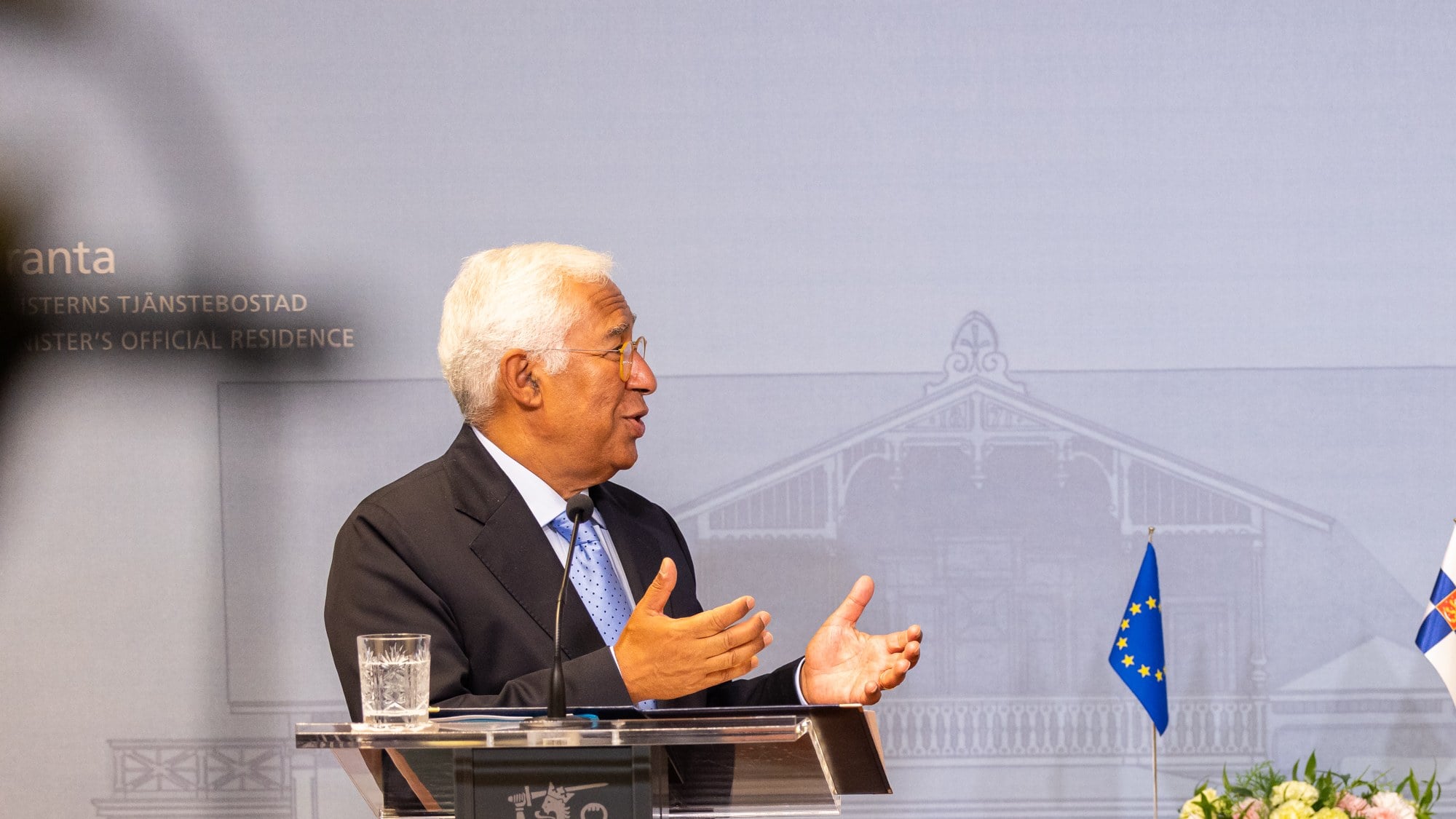
The European Union’s top summit chair has called the winner of Serbia’s election, and the winner is not Aleksandar Vučić’s Serbian Progressive Party (SNS), which has run the country for 14 years. António Costa, president of the European Council, the body of EU national leaders, phoned Ilija Srdanović on Tuesday and congratulated him.
Srdanović is the cardiologist who leads the Student List, a movement that grew out of street protests. Read how the night unfolded in our Belgrade celebration report and what comes next in our guide to who holds power.
What Did Costa Say?
Costa wrote on X that he had a good call with Srdanović and congratulated him on the Student List’s victory. He said the priority now is to convene parliament and form a new government without delay.
That handover, he added, should be peaceful and fully respect the election results. Serbia’s place is in the European Union, Costa said, and Brussels is ready to support its European path.
He named three reforms that he said Serbian voters had asked for. They are the rule of law, the fight against corruption and media freedom.
Why Does One Phone Call Matter?
No government exists yet, so the call works as early recognition. It tells Belgrade’s political class that the EU sees the students, and not the outgoing ruling party, as the winner.
It also arrives before the official seat split is out. That split comes from the Republic Electoral Commission (RIK), the state body that runs the count.
Vučić, who led Serbia as president until he resigned in September, conceded defeat after the vote. A public EU nudge toward a peaceful transition makes a late dispute harder.
How Big Was the Student Win?
Ipsos, a polling firm, and CeSID, a Serbian election monitor, projected from a full sample of polling stations that the Student List won 141 of the 250 seats and about 53% of the vote. Vučić’s United Serbia list is projected at 103 seats and about 38.8%.
A majority needs 126 seats, so the students would govern alone. A projection is an estimate, and RIK’s official seat split is what counts.
CeSID notes that its sample leaves out polling stations abroad. That could move a few seats in the final count.
Who Will Be Prime Minister?
That question is still open. Srdanović is one name traders price, though not the favourite.
The next steps are procedural but important. Parliament must meet and elect a government, and a presidential election is due to follow.
What Prediction Markets Say
Polymarket, an online prediction market, prices Dejan Šoškić, an economist and former central bank governor, at 37.0% to become prime minister. It gives Srdanović 15.5%, with US$3.48 million traded (read 2:11 p.m. ET, 27 October).
Kalshi, a prediction market regulated in the US by the Commodity Futures Trading Commission (CFTC), the federal derivatives regulator, puts Srdanović at 19.0% in a thin market of 38,248 contracts. These prices are bets, not polls, and Kalshi lists a different name on top.
Why we show this: prediction markets turn real-money bets into a live probability that moves within minutes of the news, which is why investors, campaigns and newsrooms in the United States now follow them closely. We show them next to polls and official results, never instead of them.
What It Means for You
Serbia is an official candidate to join the EU, so who governs Belgrade matters to Brussels and to investors in the region. A quick, peaceful handover would calm a country that has lived through nearly two years of street protests.
Watch two signals: the date parliament meets and the name put forward for prime minister. Until then, treat seat numbers as projections, not results.
What Is Not Known
Our sources do not give a final official seat split from RIK, so seat numbers here are projections. They also do not say when the new parliament will first meet.
Who the Student List will put forward for prime minister is also unclear. Costa’s post is a statement of support, not a commitment on EU membership talks.
Frequently Asked Questions
Who is António Costa?
António Costa is the president of the European Council, the body that brings together the leaders of the 27 EU member states. He chairs their summits and speaks for them on major foreign questions.
Is Serbia in the European Union?
No. Serbia is an official candidate to join the EU, and Costa said on X that its place is in the Union.
Sources: António Costa on X; Republic Electoral Commission of Serbia (RIK); Ipsos and CeSID projections; Polymarket; Kalshi. More in Serbia Election 2026.
This article was produced by The Rio Times’ automated newsroom system. How we use AI · Report an error · Editorial responsibility: Matthias Camenzind, Editor-in-Chief