Noboa Faces Ecuador Referendum 2026 Reset After Voters Reject Foreign Bases
Politics · Ecuador
—The date. The constitutional referendum was held on 16 November 2025, not November 2026, and follow-on plans could align with local elections now scheduled for 29 November 2027.
—The result. Ecuadorian voters rejected the November 2025 questions, including lifting the ban on foreign military bases and convening a Constituent Assembly.
—The security stakes. The rejected anti-gang measures sought to let the military support police without declaring states of exception and to allow extradition of Ecuadorians.
—The investment stakes. A proposed international arbitration question and narrower labor contract reforms were part of Noboa’s push to attract foreign investment through a new constitution.
—The political signal. The defeat weakens Noboa’s ability to replace the 2008 Constitution and imposes a more cautious timeline for any future referendum campaign.
Ecuador’s November 2026 referendum question has become a political planning exercise, not a scheduled vote. Investors and foreign residents are reading the 16 November 2025 defeat as a brake on Daniel Noboa’s constitutional and security overhaul.
The 2025 vote that reframed the timeline
Ecuador held a constitutional referendum under President Daniel Noboa on 16 November 2025. Coverage now shows the next possible referendum could be synchronized with local elections scheduled for 29 November 2027.
That leaves no confirmed referendum date in November 2026. Any reporting about an Ecuador referendum in November 2026 conflicts with the verified 2025 vote and the 2027 local election calendar.
The president remains in office through 2029 after his April 2025 re-election victory over Luisa González. His window for a new constitutional push therefore extends beyond the current municipal election cycle.
Investors parsing the calendar should treat 2026 as a year of likely repositioning rather than ballot-box decision. The legal machinery from the defeated 2025 process still defines what any future referendum can ask.
The four core ballot questions
The 16 November 2025 referendum placed four principal questions before nearly 14 million eligible Ecuadorians. The first asked whether to lift the constitutional ban on foreign military bases on Ecuadorian territory.
That ban had been in force since 2008 under Article 5 of the Constitution. Lifting it required the partial reform procedure in Article 442.
A second question proposed eliminating state financing for national political parties. A third sought to reduce the number of National Assembly members.
The Transnational Institute specified the assembly reduction as from 151 to 73 members. A fourth question asked whether to convene an elected Constituent Assembly to draft a new constitution replacing the 2008 charter.
That Constituent Assembly question was a popular consultation rather than a direct amendment. A positive result would still have required ratification in a separate referendum.
The constitutional stakes
The 2008 Constitution promoted by former President Rafael Correa remains in force. It is described as the only constitution globally that acknowledges the rights of nature.
Indigenous and environmental leaders framed the 2025 referendum as potentially weakening that rights-of-nature framework. Some reported facing state intimidation in the campaign period.
Noboa’s ambition was to abandon Correa’s charter and create what EFE and El Diario described as a more neoliberal economic framework to attract foreign investment. That framing turned the vote into a contest over the country’s economic model.
The defeated questions relied on distinct constitutional mechanisms. Article 442 governed partial reform for the foreign bases question, Article 443 governed amendments on legislative size and party financing, and Article 444 governed the constituent process.
Because none of the four passed, the 2008 Constitution remains intact as the baseline for any future referendum. Foreign residents retain the same rights-of-nature and constitutional protections unless a later vote changes them.
The security consultation and its 11 questions
Separate from the four constitutional questions, Noboa promoted a popular consultation featuring 11 questions heavily focused on public security. The Constitutional Court authorized parts of that package after rejecting or narrowing some items.
One security question proposed allowing the military to combat criminal gangs in complementary support to the police without declaring states of exception. BBC Mundo highlighted that change as central to the security agenda.
A second controversial question addressed extradition of Ecuadorian nationals for specified crimes under national law. Another proposed increasing penalties for serious crimes.
Court review also shaped the economic questions. A proposed hourly labor contract item for tourism was rejected, and the final package was narrowed to four questions consisting of three referendums plus one popular consultation.
The security defeat leaves emergency declarations as the primary legal route for large-scale military involvement. Investors in logistics, retail and coastal sectors still face the operational uncertainty of periodic state-of-exception declarations.
What a yes would have changed for investors
A yes on international arbitration would have recognised arbitration as a method for resolving investment, contractual and commercial disputes. That question was part of a wider effort to make Ecuador more legible to foreign capital.
A yes on foreign military bases would have opened the country to renewed US or other foreign military presence. That could have shifted port and infrastructure security dynamics in cities like Manta.
A yes on the Constituent Assembly question would have begun a process to replace the 2008 Constitution. New constitutional text could have weakened rights-of-nature litigation risk for mining and energy projects.
A yes on party financing and assembly reduction would have lowered the number of veto players in the legislature. Smaller assemblies can accelerate approval of investment laws, but they can also concentrate political risk.
The no result preserves the existing legal backdrop. Investors continue to operate under the 2008 Constitution, existing arbitration treaty limits and current labor contract rules.
What the no vote means for foreign residents
Foreign residents keep the 2008 Constitution’s rights framework, including the rights of nature. That gives civil society and local communities existing legal tools to challenge projects.
The rejection of foreign bases reduces the likelihood of new foreign military personnel stationed in Ecuadorian cities. Residents in port areas do not face the immediate social friction that a base expansion could bring.
The defeat of extradition changes little for ordinary foreign residents, but it matters for dual nationals. Ecuadorian nationals remain protected from extradition absent a future constitutional change.
The security questions’ defeat means residents continue to rely on the police and periodic state-of-exception military deployments. Those emergency declarations can restrict movement and commerce in affected zones.
No new constitution means continuity in property, visa and residency rules. That stability may suit residents who feared a rapid constitutional rewrite under Noboa’s more market-friendly project.
Polling and turnout signals
Verified reporting records about 14 million Ecuadorians eligible for the four referendum questions. The no outcome indicates the government failed to convert its security mandate into constitutional change.
No reliable pre-vote polling numbers are present in the verified research block. The available facts therefore support inference from the final defeat rather than from surveyed lead figures.
The rejection of the US bases question was particularly notable given Washington’s hemispheric security pressure. That result suggests nationalist or sovereignty concerns outweighed anti-gang appeals.
The defeat also complicates Noboa’s framing of the 2026 municipal election cycle. Political competitors may read the result as evidence that voters want security without constitutional rupture.
For analysts, the lesson is that ballot popularity does not automatically transfer to constitutional referendums. Turnout and question design will be the variables to watch in any 2027 synchronized vote.
Institutional checks on the referendum
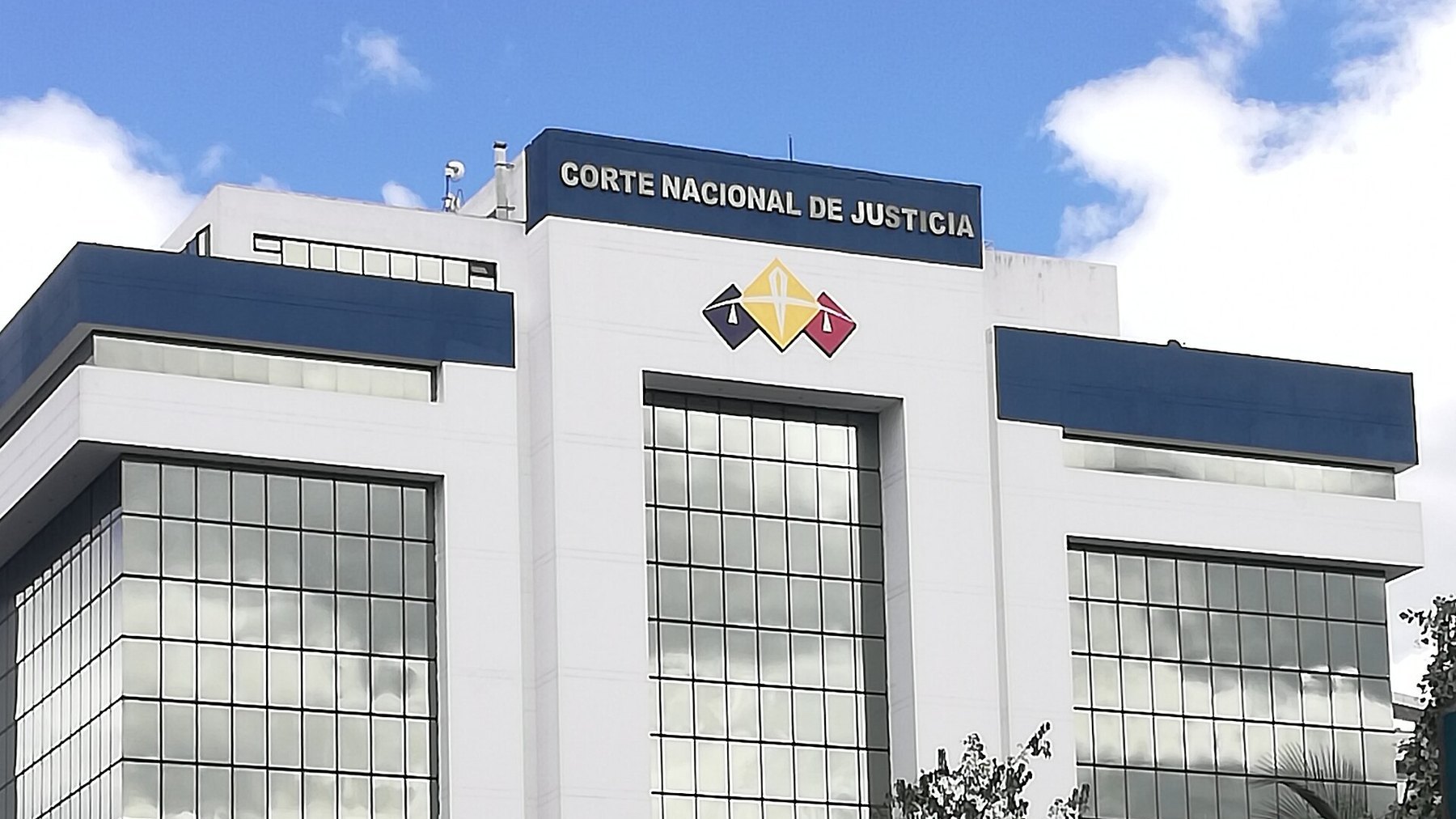
Ecuador’s Constitutional Court played a gatekeeping role before the 16 November 2025 vote. The court rejected some questions and demanded amendments to others.
The National Electoral Council, known as the CNE, administers the vote. Its approval and operational handling shape how quickly any future referendum can be organised.
The court narrowed the security package, including rejecting the hourly labor contract question in tourism. That narrowed final package reduced the scope of economic reform available to the president.
This institutional filtering means future referendum text cannot be simply drafted by the executive. Investors should expect legal review to trim or reshape proposals before any ballot.
The 2008 Constitution’s reform articles remain the controlling rules for any new attempt. Article 442, Article 443 and Article 444 each impose different thresholds and procedures depending on the proposed change.
Security policy after the defeat
The no vote leaves the existing legal requirement that states of exception be declared before broader military support to police. Operators in Guayaquil and other port cities face recurring emergency cycles.
The proposed penalty increases and extradition changes would have altered the risk calculus for organised crime networks. Their rejection signals that public support for hard security measures has limits.
Noboa remains in office through 2029, so he may still pursue security reform through legislation or a future referendum. But the constitutional route through this ballot has closed.
For foreign firms, the security situation remains a function of police capacity, military emergency powers and judicial enforcement. The failed questions do not create new legal tools against criminal gangs.
Residents and investors should monitor whether the government attempts a 2027 vote linked to local elections. A synchronized security referendum could revive the extradition or military support questions under different wording.
The economic model fight
The referendum was not only about security. EFE and El Diario reported that Noboa wanted a new constitution to create a more neoliberal economic framework for investment.
The international arbitration question directly targeted dispute resolution for investors. Its defeat means the state retains its existing posture toward contractual and investment disputes.
Proposed labor reforms sought to bring informal workers into formal contracts, but the court rejected portions of that agenda. That leaves flexible contracting on hold for now.
The Constituent Assembly defeat preserves the social and environmental clauses of the 2008 Constitution. Mining, oil and infrastructure investors continue to face stronger community and environmental legal claims than in many regional peers.
Any future referendum will need to repackage economic reforms in ways the Constitutional Court accepts. The 2025 experience shows that court review is a major constraint on executive ambition.
What comes next for the referendum agenda
The next possible window for a referendum would be synchronized with local elections already scheduled for 29 November 2027. That would consolidate logistics and potentially lower the cost of a separate national vote.
The defeat weakens Noboa politically heading into the municipal election cycle. Opponents will campaign against any new constitutional assembly push as an overreach.
Investors should monitor the CNE and Constitutional Court calendars for any new questions filed. The legal review timeline could begin well before a 2027 vote.
Foreign residents should track whether security emergency powers are renewed or expanded in the interim. Those administrative measures operate outside the referendum process and can change conditions quickly.
For now, the verified reality is that Ecuador’s November referendum happened in 2025 and failed. The next confirmed electoral event for possible referendum synchronization is the 29 November 2027 local election date.
Connected Coverage
Los Ilinizas Fire Burns About 200 Hectares in Ecuador
The Big Picture
Latest developments
- Best Places to Live in Chile for Expats 2026 — 7 October 2026
- Ecuador to Use Palantir on Betting Money From January — 7 October 2026
- Ecuador Oil Pipeline Restarts 4 Days After Fire — 6 October 2026
- Fuerza Regida Plays Mexico City From 31 January 2027 — 6 October 2026
This article was produced by The Rio Times’ automated newsroom system. How we use AI · Report an error · Editorial responsibility: Matthias Camenzind, Editor-in-Chief
Expat Guide to Ecuador
What The Rio Times publishes for foreigners who live in or move to Ecuador.
Start here
- Best Places to Live in Ecuador for Expats 2026
- How to Get Residency in Ecuador in 2026: Visas From US$1,446 a Month
- Cost of Living Cuenca, Ecuador — Rent, Bills and Doctors, Priced in Dollars
- Healthcare in Ecuador for Foreigners: Costs & Steps
City guides
Coming up in Ecuador
- Def Leppard in Quito, Ecuador: Rock Legends at the Estadio Olímpico Atahualpa on October 30, with Extreme 30 Oct
- Carlos Rivera and Reik in Ecuador: Joint Tour Plays Quito on 5 November and Guayaquil on 7 November 5 Nov
- Shakira in Quito, Ecuador: Three Stadium Nights at Estadio Olímpico Atahualpa on November 8, 9 and 11 8 Nov
- Soy Luna Ecuador: Guayaquil on 12 November, Quito on 14 November 12 Nov
Understand Ecuador