
CUBA · INVESTMENT
Key Facts
- The country Cuba is a one-party communist island 90 miles from Florida, under a US trade embargo for more than six decades and largely closed to American investors.
- Why it matters US funds, banks and companies could face reporting duties or outright bans on technology deals tied to Cuba, including deals routed through third countries.
- Why now Treasury announced the proposal on Thursday 22 October 2026, and the Federal Register published it on Monday 26 October.
- What happened Treasury proposed rules that treat Cuba as a country of concern for outbound technology investment, with a 30-day reporting duty for some deals and bans on others.
- The numbers Six technology areas are covered, comments are open until 7 December 2026, and deals of up to US$50,000 in 12 months are excused from reporting only.
- What it means for you Nothing binds investors yet, but advisers and funds should read the definition of a covered foreign person and prepare comments.
- Still open The final wording, the effective date, and how many Cuba-linked deals the rule would catch beyond the embargo.
- Power Index Cuba ranks 14th of 14 in The Rio Times Latin America Power Index, with 22.5 points (October 2026 edition).
In Plain English
A proposed rule is a draft regulation that the public can comment on before it becomes final. The COINS Act is the Comprehensive Outbound Investment National Security Act, a US law that tells Treasury to police American investment in sensitive technologies abroad.
A country of concern is a state named in the law, and a covered foreign person is a company or individual linked to it. A US person means any US citizen or permanent resident, any US-organised entity and anyone physically in the United States.
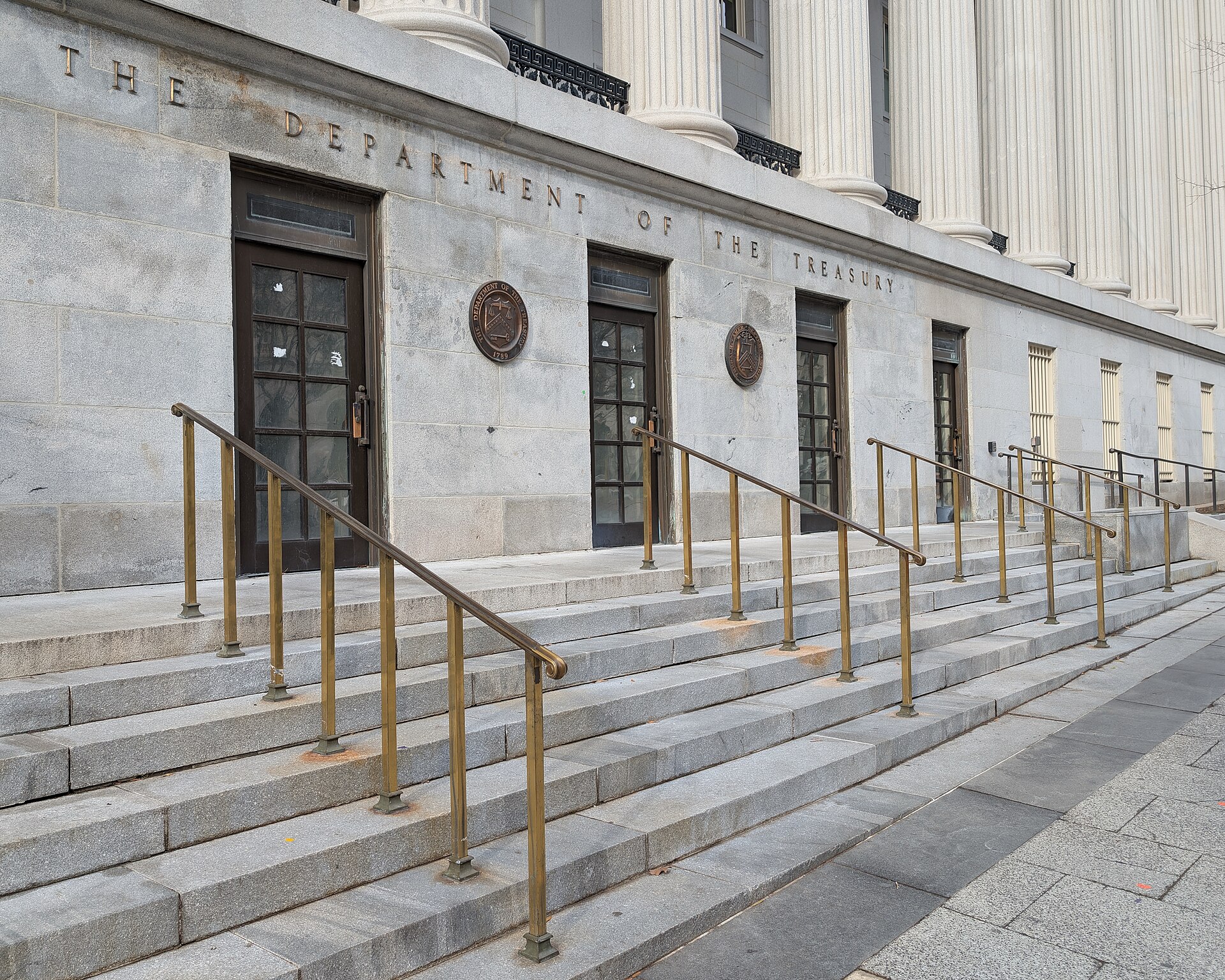
The US Treasury has proposed rules that would make American investors report or stop certain technology deals tied to Cuba, extending a regime first built for China. Treasury announced the proposal on Thursday 22 October 2026, and the Federal Register published it on Monday 26 October, with public comments open until 7 December.
Cuba was already named a country of concern by Congress in the Comprehensive Outbound Investment National Security (COINS) Act of 18 December 2025, so the Treasury text turns that listing into detailed rules. The same proposal leaves Venezuela off the list, and the wider picture sits on the Cuba country page.
What Treasury Proposed
The notice of proposed rulemaking would implement the COINS Act, which Congress passed as part of the National Defense Authorization Act for fiscal 2026. It carries docket number TREAS-DO-2026-0595 and runs from page 67396 of volume 91 of the Federal Register.
Under it, US persons would have to notify Treasury of certain deals with foreign persons in notifiable technologies and would be barred from certain other deals in prohibited technologies. Treasury says a final rule will come later and will set the effective date, so nothing in the proposal binds investors yet.
How Cuba Fits In
The law and the proposal name six countries of concern: China, including Hong Kong and Macau, Cuba, Iran, North Korea, Russia and Venezuela under the regime of Nicolás Maduro. Treasury writes in the notice that the Maduro regime no longer exists, noting that Washington recognised Delcy Rodríguez as Venezuela’s head of state on 5 March 2026.
A covered foreign person tied to Cuba would include a company incorporated or based in Cuba, the Cuban government and its agencies, and entities majority-owned or controlled by them. It would also include a Cuban citizen or permanent resident who is not a US citizen or US permanent resident, so a dual Cuban and US citizen falls outside the individual category.
Which Deals and Technologies Are Covered
Covered deals include equity stakes, convertible debt, joint ventures, new plants and certain limited partner stakes in non-US funds. The six technology areas are semiconductors, super intelligence systems (the term Treasury now uses in place of artificial intelligence), quantum technology, high-performance computing, hypersonic systems and biotechnology.
Notifications would be due within 30 days of a deal closing, while a person could ask for a national interest exemption from a ban. Treasury could order a divestment, and civil penalties could reach the greater of an inflation-adjusted US$250,000 or twice the value of the transaction.
Publicly traded securities, index funds, mutual funds and exchange-traded funds are excepted, as are limited partner stakes in non-US funds with commitments of up to US$2 million. Deals totalling no more than US$50,000 over 12 months are excused from notification only, not from the ban.
Why Biotechnology Matters for Cuba
Biotechnology is the sector Treasury added on its own authority, and its proposed prohibited list includes using biological systems to produce pharmaceutical compounds such as vaccines and monoclonal antibodies. It also lists brain-computer interfaces and biomanufacturing equipment, and neither the notice nor the press release names any Cuban company.
The news site Periódico Cubano notes that the biotechnology rules matter for Cuba because its state pharmaceutical industry is organised around the group BioCubaFarma, which the Federal Register does not mention. Any effect on Cuban drug exports or joint ventures would depend on the final rule and on deals that the embargo does not already block.
What It Means for You
For US venture funds, asset managers and companies, the proposal means checking whether a foreign target is Cuba-linked and works in one of the six technology areas, even when the deal is far from Cuba. Treasury says it received about 100 notifications under the China-focused program in its first 21 months, from venture firms, asset managers, banks and individual investors.
The Cuban Assets Control Regulations already bar persons under US jurisdiction from dealing in property in which Cuba or a Cuban national has an interest unless authorised, so the new rule matters most for deals routed through funds and foreign entities. Earlier steps include July sanctions on Cuba’s tourism ministry, and anyone affected can comment through regulations.gov until Monday 7 December 2026.
What Is Not Known
The final wording and the effective date are not known, because Treasury has not said when it will publish a final rule after the 7 December comment deadline. It is also not known how many Cuba-linked deals, if any, the rule would catch beyond those the embargo already blocks.
No reaction from Havana appears in the sources reviewed. Treasury also does not say which Cuban entities it regards as covered foreign persons, because the notice sets definitions rather than a list of companies.
Frequently Asked Questions
What is the new US outbound investment rule?
It is a Treasury proposal to implement the COINS Act, under which US persons would report certain technology deals and be barred from others involving foreign persons tied to countries of concern. It is not in force until a final rule sets an effective date.
Is Cuba newly added to the list of countries of concern?
Congress named Cuba a country of concern in the COINS Act of 18 December 2025. Treasury’s proposal, published on 26 October 2026, writes that list into detailed rules.
Who would the rule affect?
It covers US citizens, permanent residents, US companies, anyone in the United States and foreign entities they control. Publicly traded securities, index funds and exchange-traded funds are excepted.
How can the public comment on the proposal?
Written comments are due by 7 December 2026 through regulations.gov under docket TREAS-DO-2026-0595. Treasury will then publish a final rule that sets the effective date.
Does the rule ban all US investment in Cuba?
No, it targets deals with covered foreign persons that work in six technology areas. Separate Treasury embargo rules already restrict many dealings with Cuba.
Sources: US Treasury press release, 22 October 2026; US Treasury fact sheet on the COINS Act proposed rule, 22 October 2026; Federal Register, Outbound Investment Security Program Regulations, proposed rule, 26 October 2026; GovInfo PDF of the notice, 91 FR 67396; eCFR, 31 CFR 515.201 Cuban Assets Control Regulations; Diario de Cuba, 26 October 2026; Periódico Cubano, 26 October 2026.
Editorial responsibility: Matthias Camenzind, Editor-in-Chief · Editorial standards · Report an error
Cuba and the United States
- What Is Going On Between Cuba and the United States?
- What Is Going On Between Cuba and the United States?
- Can Americans Still Travel to Cuba in 2026?
- Who Runs Cuba in 2026? Raúl Castro and the US Murder Charge